How to Decorate a Living Room When Everything Feels a Bit Off
Introduction
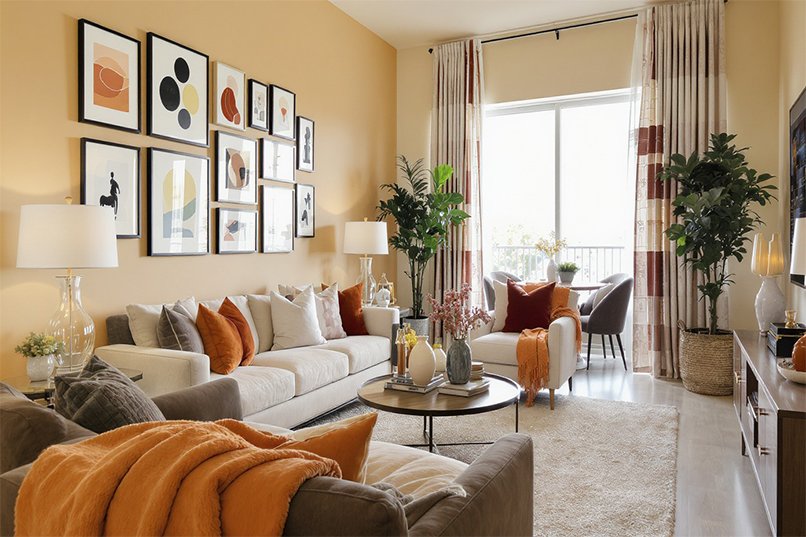
Some living rooms just don’t come together easily.
You move the sofa a little. You add cushions. You buy a plant. You try a new coffee table book because everyone online seems to have one. And still, when you stand back, the room feels odd.
Not terrible. Just not right.
Maybe the sofa looks too far from everything. Maybe the rug feels small. Maybe the walls look bare, but when you hang something, the room starts to feel busy. Maybe the room looks okay during the day, then at night it feels cold and flat.
That’s usually the point where people start buying more decor, hoping one more thing will fix it.
But most of the time, the problem isn’t missing decor. It’s the basics. The layout. The lighting. The rug. The way clutter builds up. The empty wall that needs one good piece instead of five little ones.
So if you’re wondering how to decorate a living room when nothing feels right, don’t start with shopping. Start by figuring out what the room is trying to tell you.
Quick Answer
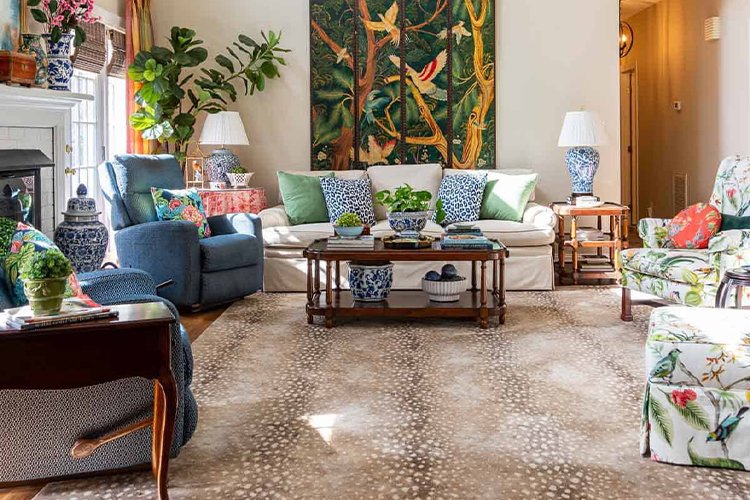
When a living room feels wrong, fix the main things first: layout, rug size, lighting, clutter, curtains, and storage. Make sure the furniture feels connected, the walking space is clear, and the room has warm light. After that, add texture, art, plants, and personal pieces slowly. A room usually feels better when it has balance, not just more stuff.
Why Living Rooms Are So Hard to Decorate
A living room has to do too much.
It’s where you sit with guests, watch TV, drink tea or coffee, scroll your phone, eat snacks, work from the sofa, fold laundry, and sometimes leave things “just for now” that stay there for three days.
So it’s not just a pretty room. It has to work.
That’s why living rooms can feel awkward even when you’ve bought nice things. A pretty chair still feels wrong if nobody sits in it. A nice coffee table becomes annoying if it’s too far away. A beautiful lamp doesn’t help much if it’s in the wrong corner.
A living room needs comfort, movement, storage, lighting, and personality. If one of those is missing, the room can feel unfinished.
Start by Not Buying Anything
This sounds boring, but it helps.
Before buying another cushion, candle, basket, or frame, stop and look at the room properly.
Not in a fancy designer way. Just stand there and ask yourself what bothers you.
Is the room hard to walk through?
Does the sofa feel disconnected?
Is the coffee table too far away?
Does the room feel dark at night?
Is clutter always landing in the same place?
Is one wall completely empty?
Does the rug look like it belongs only to the coffee table?
That answer gives you the real starting point.
A lot of living room decor mistakes happen because people fix the wrong thing. If the room feels cold, you may not need more wall art. You may need lamps. If the room feels messy, you may not need more open shelves. You may need closed storage. If the room feels awkward, the furniture may need moving before you buy anything new.
The room usually gives clues. You just have to notice them.
Move the Furniture Before You Style It
Layout comes first.
A living room should be easy to move through. You shouldn’t have to squeeze between the coffee table and sofa. You shouldn’t have to walk around a random chair that nobody uses. You shouldn’t feel like the furniture is just sitting against the walls because there was nowhere else to put it.
Try moving things around before decorating.
Pull the sofa forward a little. Move the chair closer. Shift the coffee table. Take one side table out for a day. Sometimes one small change makes the room feel more relaxed.
A lot of people push every piece of furniture against the wall because they think it makes the room feel bigger. Sometimes it does. But sometimes it makes the room feel empty in the middle and stiff around the edges.
The seating should feel like it belongs together. Not like the sofa, chairs, and table are all avoiding each other.
Good living room layout tips are not about strict rules. They’re about making the room easier to use.
Check the Rug Before Blaming the Sofa
A rug can make a living room feel finished, or it can make it feel strange.
If the rug is too small, the furniture looks disconnected. The coffee table sits on the rug, but the sofa and chairs are somewhere else. It makes the rug look like a little island.
That one mistake can make the whole room feel unfinished.
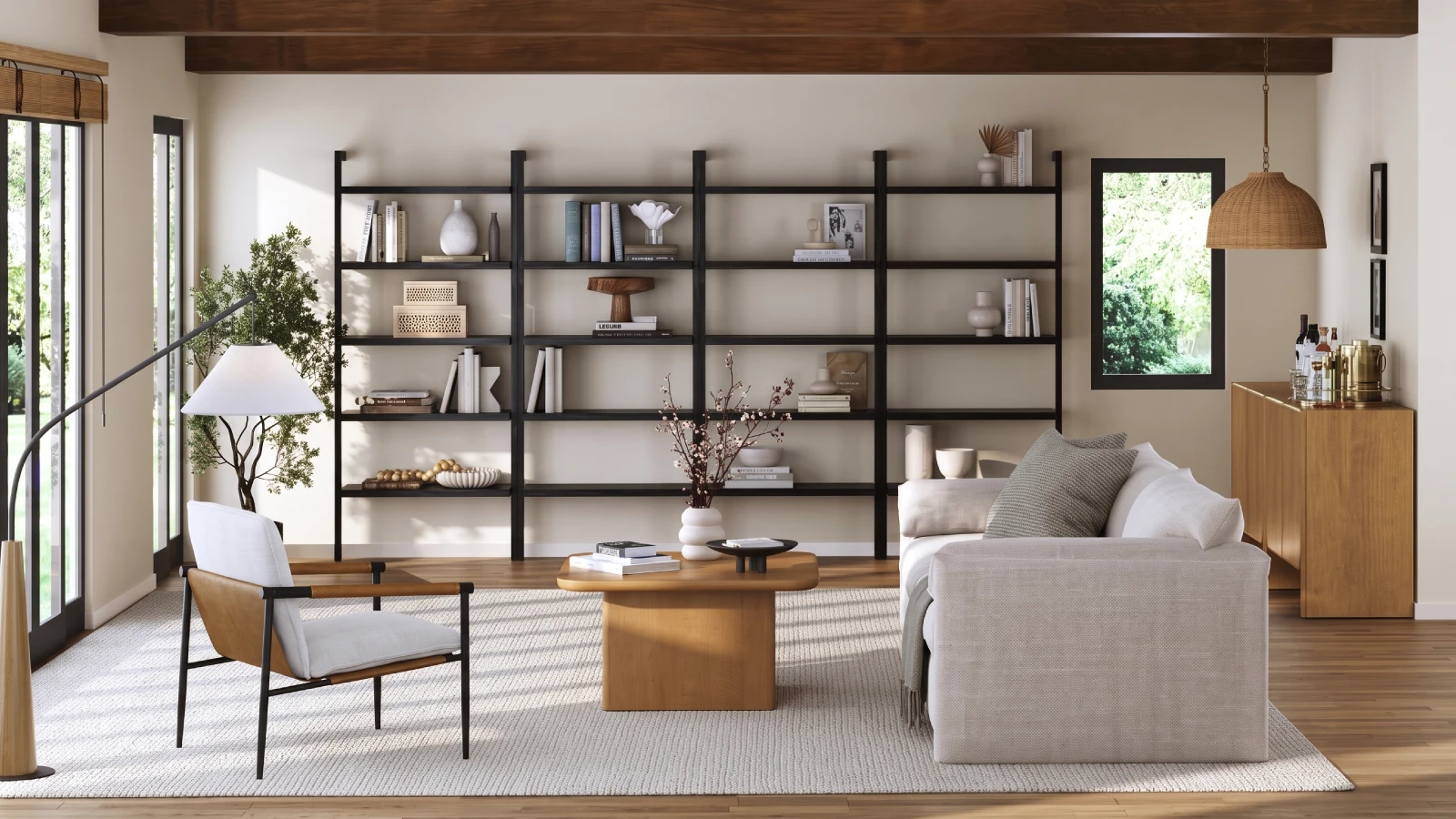
If possible, the front legs of the sofa should sit on the rug. If you have chairs, their front legs should touch it too. This makes the seating area feel like one space.
The rug doesn’t need to cover the whole floor. It just needs to connect the furniture.
If you already have a rug that’s too small but you like it, try layering it over a larger plain rug. A neutral jute-style or flatweave rug underneath can give the room a better base.
When people ask how to decorate a living room, they often think about small decor first. But honestly, the rug can change more than a tray or candle ever will.
Fix the Lighting So the Room Doesn’t Feel Cold
Lighting is one of the biggest reasons a living room feels wrong.
A room can have nice furniture and still feel uncomfortable if the lighting is bad. One ceiling light in the middle of the room usually makes everything look flat. At night, it can make the space feel harsh instead of cozy.
Add lamps before buying more decor.
A floor lamp beside the sofa.
A small lamp on a side table.
A lamp on a console.
A warm light in a dark corner.
You don’t need all of them. Start with one.
Warm bulbs usually feel better in living rooms than bright white ones. Bright white light can make the room feel like an office. Warm light makes it feel softer and more relaxed.
Try this one evening: turn off the ceiling light and use only lamps. If the room suddenly feels better, the problem was probably lighting all along.
Cozy living room ideas almost always start with light. Without good lighting, everything else has to work too hard.
Stop Letting Clutter Decide the Style
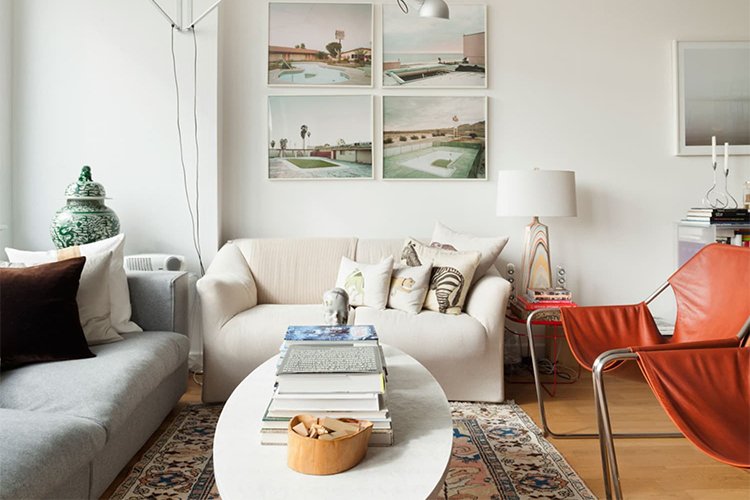
Sometimes the room doesn’t need more decor. It needs better places for normal things.
Look at where the mess always shows up.
Remotes on the sofa. Chargers on the coffee table. Blankets on the floor. Mail on the console. Toys near the TV. Cups sitting around because there’s no table nearby.
That clutter is giving you information.
If blankets always end up on the sofa, put a basket beside it. If remotes are always missing, use a tray or small box. If chargers look messy, hide them in a drawer or cable box. If papers pile up on the same table, add closed storage nearby.
Don’t make storage complicated. If putting something away takes too many steps, it won’t happen.
Open shelves are nice for books, plants, and a few pretty things. But not everything should be displayed. Wires, papers, extra remotes, batteries, and random bits are better hidden.
A living room feels calmer when everyday clutter has somewhere to go.
Make the Sofa Area Feel Like a Real Spot
The sofa is usually the main thing in the living room, so it needs to feel settled.
A sofa pushed against a wall with nothing around it can look lonely. It needs a few simple layers.
A rug underneath.
A lamp nearby.
A side table close enough to use.
A couple of cushions.
A throw if you actually use one.
Something on the wall above it, if the wall feels empty.
That’s enough.
Don’t cover the sofa with too many cushions. They look nice for photos, but in real life people just move them to sit down. Two or three good cushions usually look better than a pile.
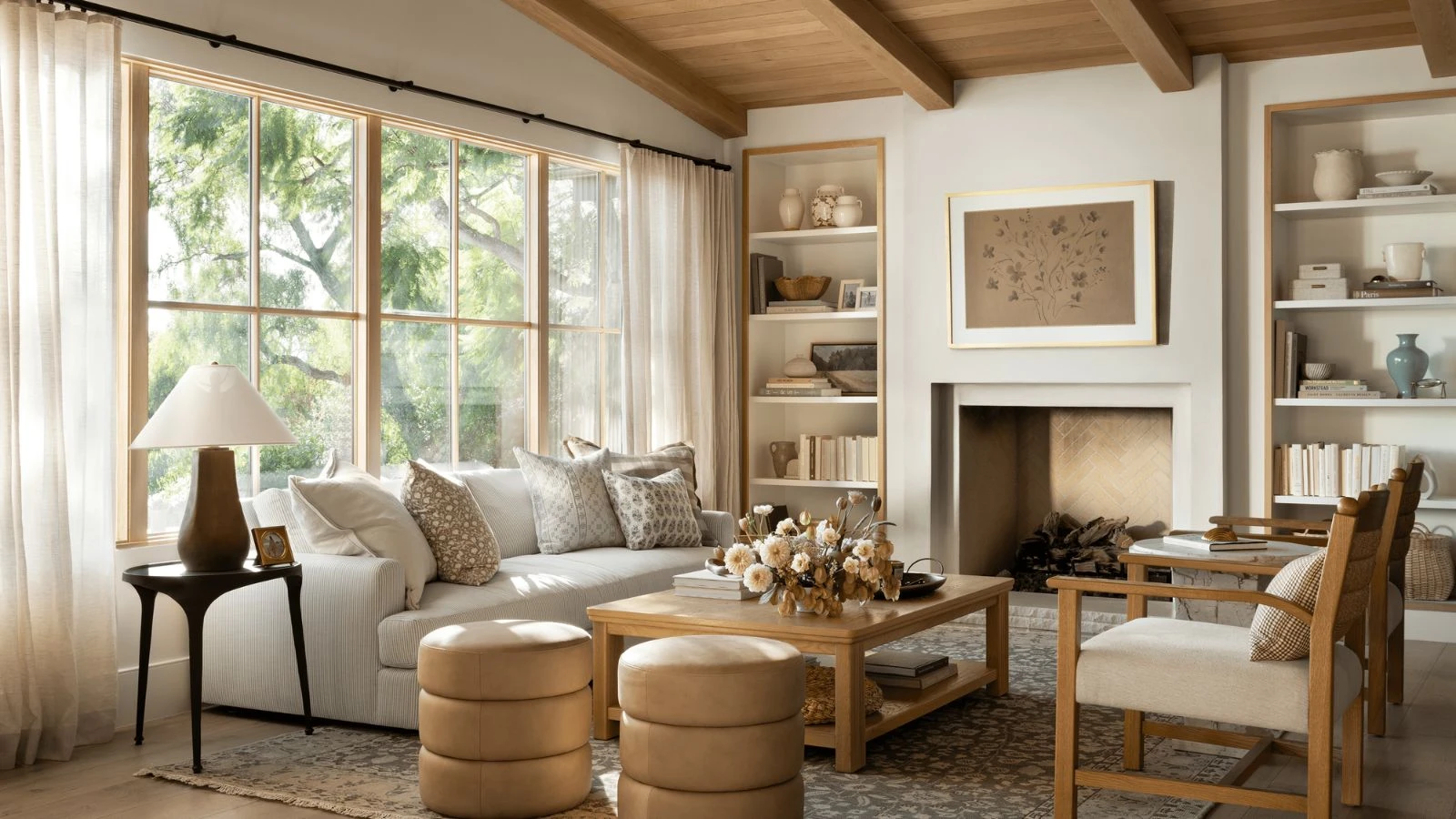
Texture helps too. A soft throw, woven cushion, linen curtains, warm rug, or wooden side table can make the sofa area feel cozy without adding too much.
The sofa area should feel like you can sit down without disturbing the whole room.
Don’t Rush the Walls
Wall decor helps, but it should come after the bigger problems.
If the layout is awkward, the lighting is cold, and the rug is too small, art will not fix the room.
Once the basics feel better, then look at the walls.
A large piece of art above the sofa can make the room feel finished. A mirror can help if it reflects light. A small gallery wall can work if it’s not too busy. Shelves can look nice, but only if they don’t turn into clutter storage.
One common mistake is hanging small art too high. It ends up floating near the ceiling and feels disconnected from the furniture. Art should feel related to what’s below it.
If you’re not sure, go bigger and simpler. One larger piece often looks better than several tiny random pieces.
And not every wall needs something. Blank space can be good. It lets the room breathe.
Add Personality Without Filling Every Surface
A living room should feel like yours.
Not like a showroom. Not like a copied Pinterest room. Yours.
Add things that feel personal, but don’t put everything out at once.
A framed photo. A print you like. A candle you actually use. A small stack of books. A plant. A bowl from a trip. Something handmade. A piece that makes the room feel familiar.
These things matter because they stop the room from feeling generic.
But too many personal items can turn into clutter. Choose a few and let them have space.
Plants help a lot too. One tall plant in a corner can soften the room. A small plant on a side table can make the space feel more alive.
And if you’re not good with plants, use easy ones or a good faux plant. A dying plant in the corner is not helping anyone.
Practical Tips
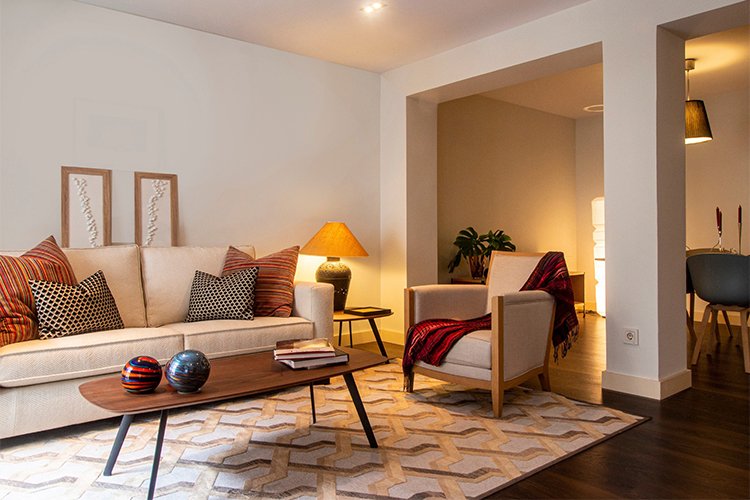
Move furniture before buying new decor.
Clear the coffee table and add back only what you use or like.
Try warm bulbs before changing furniture.
Make sure the rug connects the sofa and chairs.
Add one lamp to the darkest corner.
Put storage where clutter naturally appears.
Hang curtains higher if the room feels short or bare.
Use fewer larger decor pieces instead of lots of tiny ones.
Don’t decorate every wall or surface.
Live with small changes for a few days before buying more.
Common Mistakes to Avoid
One mistake is buying decor before fixing the layout. If the furniture feels awkward, new cushions won’t solve much.
Another mistake is using only overhead lighting. It often makes the room feel cold and flat.
Don’t buy a rug that only fits under the coffee table. It usually makes the seating area look disconnected.
Don’t fill every shelf and wall just because the room feels unfinished. Sometimes the room needs better balance, not more things.
Also, don’t copy a whole room from online. Your living room has different light, different furniture, different size, and different daily use.
Take ideas, but make them fit your actual home.
Who This Is Best For
This is best for anyone who feels stuck with their living room.
Maybe the room feels awkward. Maybe it feels unfinished. Maybe you’ve already bought decor, but it still doesn’t look right. Maybe you can’t figure out whether the problem is the sofa, rug, lighting, layout, or walls.
It’s also helpful for renters, small-space dwellers, first-time decorators, and anyone who wants the living room to feel warmer without doing a full makeover.
FAQs
How do I start decorating my living room?
Start with the layout. Make sure the room is easy to move through and the furniture feels connected. Then check the rug, lighting, storage, curtains, and wall decor.
Why does my living room feel unfinished?
It may be missing a properly sized rug, warm lighting, curtains, wall art, storage, or a clear layout. Sometimes one or two changes can make the whole room feel better.
How can I make my living room feel cozy?
Use warm lamps, a rug that fits, soft curtains, cushions, a throw blanket, plants, and a few personal pieces. Cozy doesn’t mean crowded.
What is the biggest living room decorating mistake?
One big mistake is buying small decor before fixing the main problems. Layout, lighting, rug size, and clutter usually matter more than candles or vases.
How do I decorate a small living room?
Keep the layout simple, use furniture that fits, choose a rug that connects the seating area, add warm lighting, and avoid too many small decor pieces.
Final Thoughts
When a living room feels wrong, it’s easy to keep buying little things.
Another cushion. Another candle. Another plant. Another frame.
But most rooms don’t need more random decor. They need the basics to work better.
Move the furniture. Fix the rug. Add warm lighting. Hide the clutter. Soften the windows. Choose a few pieces that actually feel like you.
That’s how to decorate a living room when nothing feels right.
Not by forcing it to look perfect, but by making it easier to sit in, easier to use, and nicer to come home to.
Every product here was chosen by an editor from the public record — verified buyer reviews, independent testing and the brand’s own documentation — before any commercial conversation happened. If you buy through a link on this page we may earn a commission, at no cost to you, and it never decides what we recommend. Read the full policy.
Editorial Team
Every recommendation on Decor Imperial is researched by our editors from the public record — verified buyer reviews, independent testing, owner communities and the brand’s own documentation — before it appears here. We earn a commission when you buy through our links; no brand sees a review before it is published, and none has ever changed one.
Keep Reading
All stories Home & Decors
Reasn Review: Is This Size-Inclusive Fashion Brand Worth It?
Home & Decors
Home & Decors
Reasn Review: Is This Size-Inclusive Fashion Brand Worth It?
 Home & Decors
Nathan James Furniture Review: Great Customer Service, Mixed Quality
Home & Decors
Home & Decors
Nathan James Furniture Review: Great Customer Service, Mixed Quality
 Home & Decors
McGee & Co Review: A Catalogue That Coheres, and Furniture That Does Not Arrive
The Studio McGee catalogue is built so that everything in it sits together, and on décor and textiles the buyers agree. Large furniture is the problem: a $6,000 bed unshipped at six months.
Home & Decors
Home & Decors
McGee & Co Review: A Catalogue That Coheres, and Furniture That Does Not Arrive
The Studio McGee catalogue is built so that everything in it sits together, and on décor and textiles the buyers agree. Large furniture is the problem: a $6,000 bed unshipped at six months.