Warm Minimalist Home Decor Ideas for a Home That Feels Calm, Not Empty
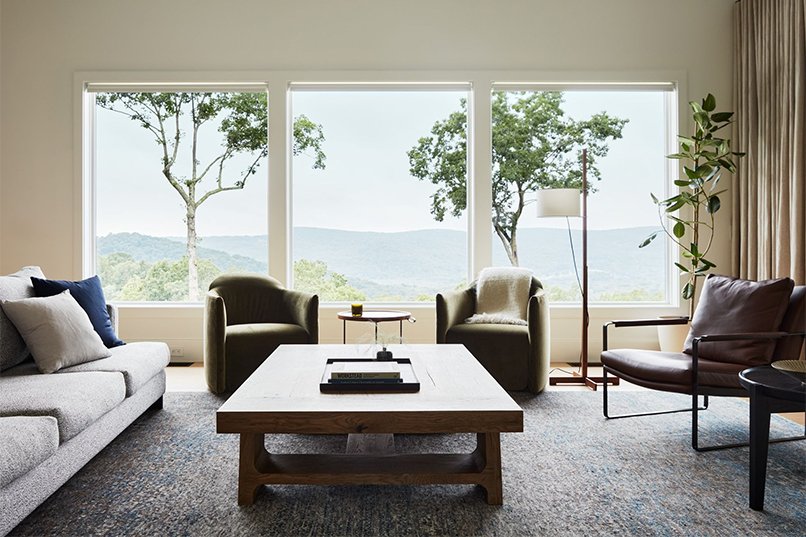
Introduction
Minimalist decor sounds easy until you actually try living with it.
At first, it feels nice. You clear the surfaces, remove the extra stuff, keep the colors simple, and the room finally looks clean. No clutter. No mess. No random things sitting everywhere.
But after a while, something can start to feel off.
The room is tidy, but it doesn’t feel cozy. The walls look too plain. The sofa feels a bit bare. The coffee table looks empty instead of calm. At night, especially with one ceiling light on, the whole space can feel colder than you expected.
That’s usually where warm minimalism makes more sense.
It still gives you that simple, peaceful feeling, but it doesn’t strip the room of comfort. It brings in soft colors, warm lighting, natural wood, textured fabrics, plants, and a few personal things that make the room feel lived in.
These warm minimalist home decor ideas are for people who like simple spaces but don’t want their home to feel stiff, cold, or too perfect.
Quick Answer
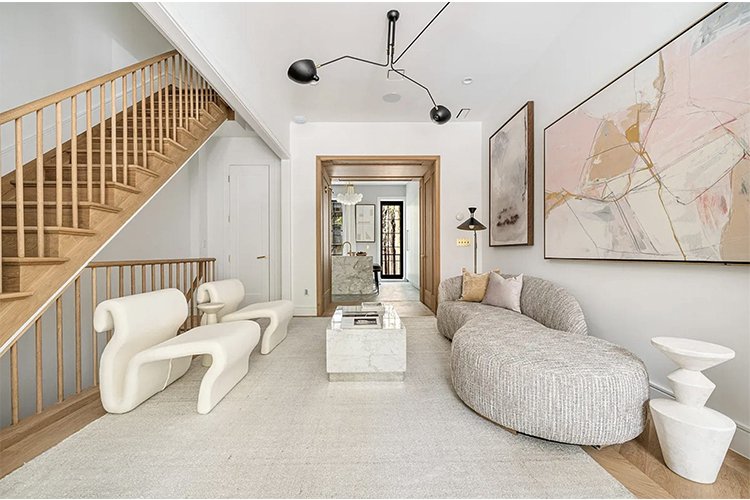
Warm minimalism is about keeping your home simple while adding enough softness to make it feel comfortable. Use warm whites, cream, beige, taupe, soft brown, clay, olive, natural wood, linen, cotton, textured rugs, woven baskets, soft lighting, plants, and a few personal pieces. The goal is a calm room that still feels like real life happens there.
Why Warm Minimalism Feels So Right
A lot of people like the idea of a clean home. Less clutter means less visual noise, less cleaning, and less stress. That part makes sense.
But a home can be too empty.
A room with nothing on the walls, no texture, no soft lighting, and no personal details may look neat, but it doesn’t always feel welcoming. It can feel more like a staged room than a place where someone actually relaxes.
Warm minimalism is popular because it gives you both sides. You get the calm, simple feeling of minimalism, but you also get warmth. You get space to breathe, but the room doesn’t feel lonely.
It works especially well in small homes and apartments because you’re not filling the room with too much. You’re choosing fewer things, but making sure they add comfort.
A cozy minimalist home is not about owning almost nothing. It’s about not letting your home feel overloaded.
Start With the Coldest Part of the Room
Before buying anything new, look at what feels cold.
Is it the white wall?
The gray sofa?
The bare floor?
The harsh ceiling light?
The empty corner?
That’s where you start.
A lot of minimalist rooms feel cold because too many things are sharp, flat, or bright. White walls, gray furniture, black metal, glossy surfaces, and bright white bulbs can all look clean, but together they can feel a little hard.
You don’t have to change everything. Start with one softening detail.
If the wall feels too plain, add one warm-toned artwork or a wood frame. If the sofa feels bare, add a textured throw. If the floor feels cold, bring in a soft rug. If the room feels harsh at night, change the bulbs.
Warm minimalist home decor ideas work best when you fix the feeling of the room first, not just the look.
Use Warmer Whites Instead of Bright White Everywhere
White can be beautiful. It makes a room feel open and clean.
But not every white feels warm.
Some whites have a cool tone. In certain rooms, especially rooms without much sunlight, they can look blue or gray. Add cool lighting on top of that, and the room can start to feel a bit lifeless.
If you’re painting, look for warm white, ivory, cream, or a very soft beige. These shades still feel clean, but they don’t feel as sharp.
If you rent or don’t want to paint, you can soften white walls with other things. Cream curtains. A warm beige rug. Oatmeal cushions. A soft brown throw. A lampshade that gives off warmer light.
You don’t need to turn the whole room beige. Just move away from cold white on every surface.
Warm neutral home decor is really about making the room easier on the eyes.
Add Texture Before Adding More Decor
When a room feels boring, it’s tempting to buy more decor.
A vase. A tray. A candle. Another frame. More cushions.
But in a minimalist room, more decor is not always the answer. Sometimes the room just needs texture.
Texture makes a space feel warm without making it cluttered.
A linen curtain feels softer than a flat blind. A wool-style rug feels warmer than bare floor. A woven basket feels more natural than a plastic bin. A ceramic vase feels calmer than a shiny one. A cotton throw makes the sofa feel less stiff.
These are not loud changes, but they matter.
A simple room can still feel interesting if the materials have some depth. The room stays clean from far away, but up close it feels softer and more lived-in.
That’s the quiet beauty of warm minimalism.
Bring in Wood to Break Up the Flatness
Wood helps a minimalist room almost immediately.
It brings warmth without needing bright color. Even one wooden piece can change the feeling of the room.
A light oak coffee table.
A walnut side table.
A wooden tray.
A small stool near the sofa.
Wood picture frames.
A rattan basket.
These pieces stop the room from feeling too flat.
You don’t need every wood tone to match perfectly. Real homes usually don’t match that way. A little mix can make the room feel more natural.
Just don’t mix too many strong tones in one small room. Very orange wood, very dark wood, and very pale wood can start to look random if they’re all competing. Try to keep the wood tones somewhat related.
For simple home decor ideas, wood is one of the easiest things to add because it looks warm without looking busy.
Keep the Colors Soft, But Give the Room Some Depth
Warm minimalism does not mean everything has to be beige.
That’s one of the biggest mistakes.
A beige room can still feel boring if there’s no contrast, no texture, and no personality. You need a little depth.
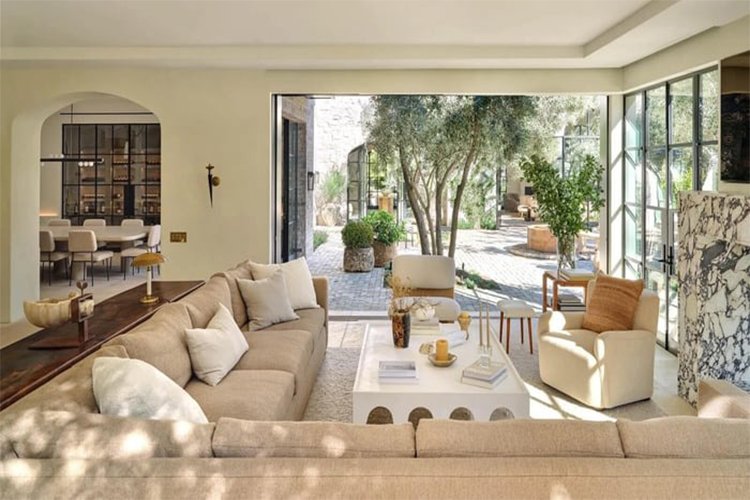
Good colors for warm minimalism include cream, taupe, soft brown, sand, olive, clay, muted rust, warm gray, and warm white.
You don’t need all of them. Pick two or three and repeat them gently.
Maybe the rug has soft brown in it. The cushions bring in olive. The artwork has a little clay tone. That’s enough to make the room feel connected.
A little contrast also helps. A black lamp, a dark wood frame, a deep green plant, or a clay-colored vase can stop the room from looking washed out.
The room should feel calm, not sleepy.
Fix the Lighting Before You Buy More Things
Lighting changes everything in a minimalist room.
Because there are fewer objects in the space, bad lighting becomes very obvious. One bright ceiling light can make the whole room feel flat and cold.
Add lamps.
A floor lamp near the sofa. A small lamp on a side table. A lamp on a shelf. Even one warm light in a dark corner can make the room feel much better.
Warm bulbs are important. Bright white light can make a living room feel like an office. Warm light makes wood, cream, beige, and soft brown tones look better.
Try turning off the ceiling light at night and using only lamps. The room will probably feel calmer right away.
Sometimes the room doesn’t need more decor. It just needs better light.
Let the Room Have a Few Personal Things
Minimalism doesn’t mean your home should look empty.
A room with no personal pieces can feel strange. Clean, yes, but not warm.
Keep a few things that feel like you.
A framed photo. A book you actually read. A candle you use. A small bowl from a trip. A print you like. A vase with simple branches. A plant you’re trying to keep alive.
These details make the room feel human.
The key is not putting everything out at once. Keep a few pieces visible and let them breathe.
One larger artwork can look calmer than many tiny frames. One vase can look better than a group of random objects. A small stack of books can feel warmer than a coffee table full of filler decor.
Before adding something, ask yourself if you actually like it or if you’re just filling space.
Empty space is fine. Random decor is what makes a room feel messy.
Make the Sofa Area Feel Soft Enough to Use
Some minimalist living rooms look nice but feel uncomfortable.
The sofa has one cushion. The coffee table has nothing on it. The room looks clean, but it doesn’t really invite you to sit down.
That’s not the goal.
A minimalist living room should still feel comfortable. Add two or three cushions. Choose texture instead of loud patterns. Linen, cotton, boucle-style fabric, soft velvet, or woven covers can work well.
Add a throw if you’ll actually use it. Don’t fold it too perfectly. A slightly relaxed throw looks more natural.
The rug matters too. A warm neutral rug can make the sofa area feel grounded. If the rug is too small or too cold in color, the room may still feel unfinished.
A warm minimalist sofa area should feel easy. You should be able to sit down without feeling like you’re disturbing the room.
Use Plants to Make the Room Feel Alive
Plants work really well in warm minimalism because they add life without adding clutter.
You don’t need many.
One tall plant in a corner can soften the whole room. A small plant on a side table can make the room feel fresher. A trailing plant on a shelf can make a plain wall feel less stiff.
If you’re not great with plants, choose easy ones. Snake plant, pothos, ZZ plant, rubber plant, or a realistic faux olive tree can work.
Use simple pots. Ceramic, clay, stone-look, or woven baskets usually fit the warm minimalist style better than bright plastic pots.
Plants make a simple room feel less staged. They add a little movement, a little color, and a little life.
Hide the Everyday Clutter
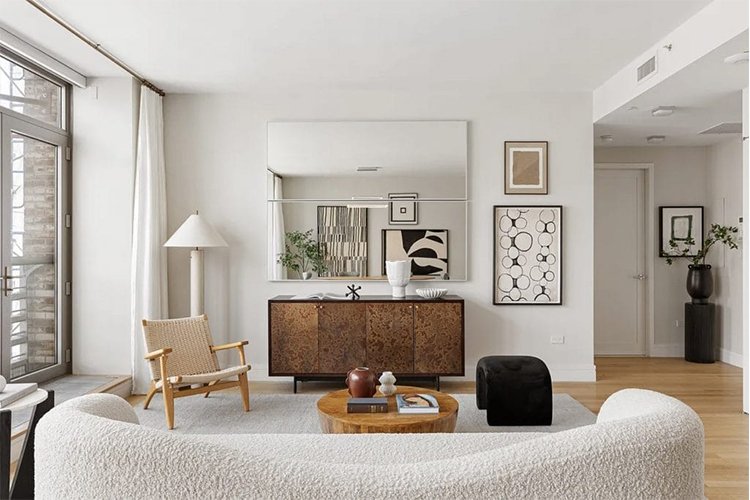
Warm minimalism only works if daily clutter has somewhere to go.
Because real life comes with remotes, chargers, keys, blankets, cups, books, papers, and all those random little things that somehow land on the coffee table.
You need easy storage.
A basket for blankets.
A drawer for remotes.
A box for chargers.
A tray for everyday items.
A closed TV unit for things you don’t want to see.
Open shelves can work, but don’t fill every inch. Leave some space. Mix books with a plant, one bowl, or one framed photo.
Closed storage is better for ugly things like cables, batteries, paperwork, and extra remotes.
A calm room should be easy to reset. If cleaning it takes too long, clutter will keep coming back.
Practical Tips
Start with lighting before buying more decor.
Swap harsh white tones for cream, ivory, beige, or soft brown.
Add wood if the room feels too flat.
Use texture instead of extra objects.
Keep the color palette small, but not boring.
Choose one larger artwork instead of many tiny pieces.
Use baskets, drawers, and cabinets to hide daily clutter.
Keep a few personal things visible so the room still feels like yours.
Common Mistakes to Avoid
Don’t remove so much that the room feels empty.
Don’t make everything beige without texture or contrast.
Don’t rely too much on cool gray. It can make the room feel cold.
Don’t buy decor only because a shelf looks empty.
Don’t use harsh ceiling light as your main evening light.
And don’t forget comfort. A clean room that nobody wants to sit in is not really working.
Who This Is Best For
Warm minimalism is best for people who like calm, simple homes but don’t want their space to feel plain or cold.
It works well in apartments, rental homes, small living rooms, bedrooms, and any space where you want less clutter but more comfort.
It’s also good if you like neutral colors but feel bored with plain white rooms. You don’t need bright colors to make a home feel alive. Soft tones, warm lighting, wood, texture, and a few personal details can do a lot.
FAQs
What is warm minimalism?
Warm minimalism is a softer version of minimalism. It keeps the home simple and uncluttered but adds warmth through soft colors, natural materials, texture, plants, and warm lighting.
How do I make a minimalist room feel cozy?
Use warm lamps, soft rugs, textured cushions, curtains, wood tones, plants, and a few personal decor pieces. Don’t make the room too empty.
What colors work best for warm minimalist decor?
Warm white, cream, beige, taupe, soft brown, clay, olive, sand, muted rust, and warm gray work well.
Can warm minimalism work in a small living room?
Yes. It works very well in small rooms because it keeps clutter low while adding softness through texture, lighting, and natural materials.
Is warm minimalism expensive?
No. Start with small changes like warmer bulbs, cream curtains, a textured throw, a woven basket, a wooden side table, or a soft rug.
Final Thoughts
Warm minimalist home decor ideas are not about making your home look empty.
They’re about keeping the space calm while still making it feel good to live in.
Use warm lighting. Bring in wood. Choose softer colors. Add texture. Keep a few personal things. Hide the clutter that doesn’t need to be seen.
That’s what makes warm minimalism feel right.
Not too full. Not too bare. Just simple, soft, and comfortable enough for real life.
Every product here was chosen by an editor from the public record — verified buyer reviews, independent testing and the brand’s own documentation — before any commercial conversation happened. If you buy through a link on this page we may earn a commission, at no cost to you, and it never decides what we recommend. Read the full policy.
Editorial Team
Every recommendation on Decor Imperial is researched by our editors from the public record — verified buyer reviews, independent testing, owner communities and the brand’s own documentation — before it appears here. We earn a commission when you buy through our links; no brand sees a review before it is published, and none has ever changed one.
Keep Reading
All stories Home & Decors
Reasn Review: Is This Size-Inclusive Fashion Brand Worth It?
Home & Decors
Home & Decors
Reasn Review: Is This Size-Inclusive Fashion Brand Worth It?
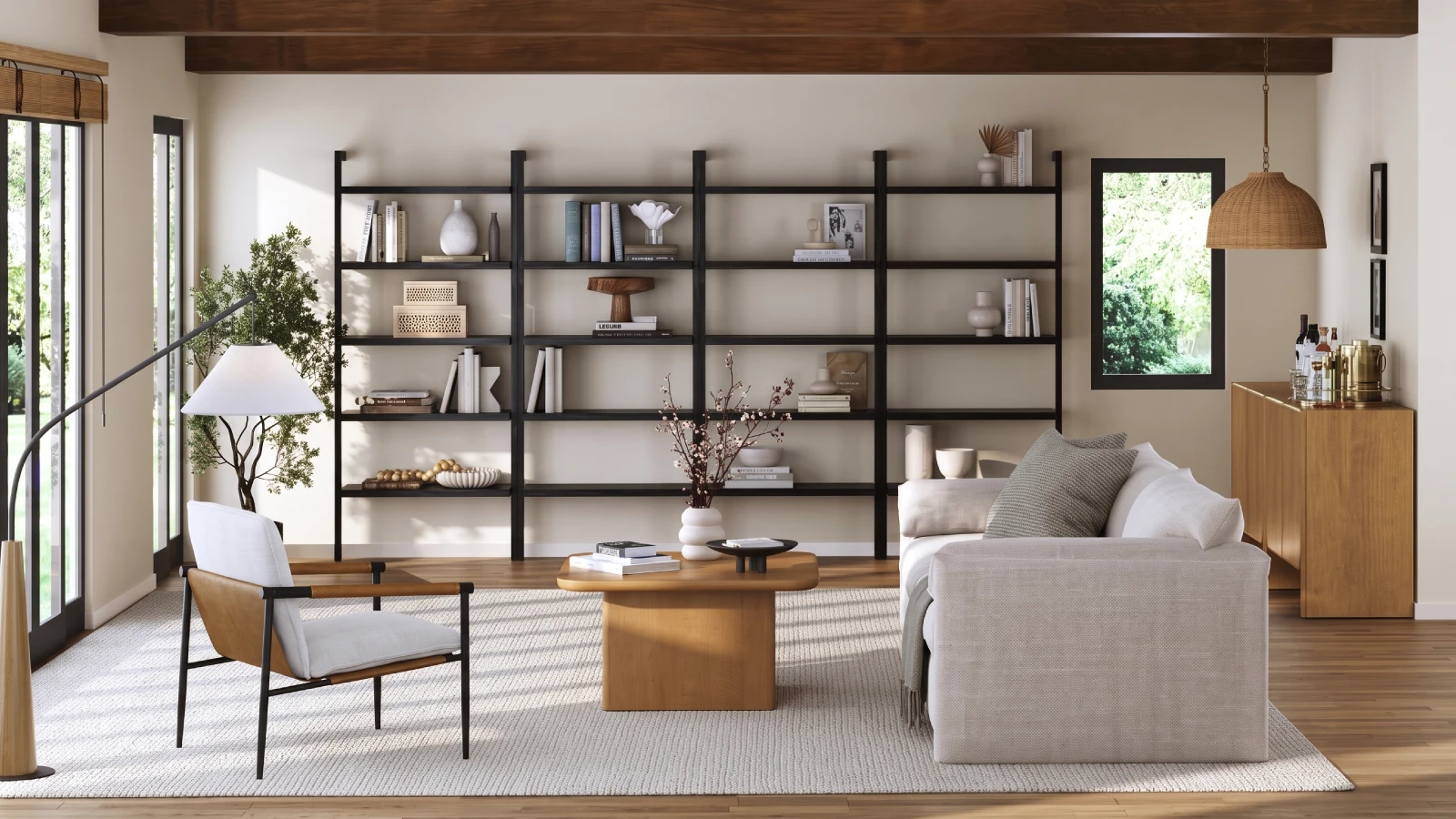 Home & Decors
Nathan James Furniture Review: Great Customer Service, Mixed Quality
Home & Decors
Home & Decors
Nathan James Furniture Review: Great Customer Service, Mixed Quality
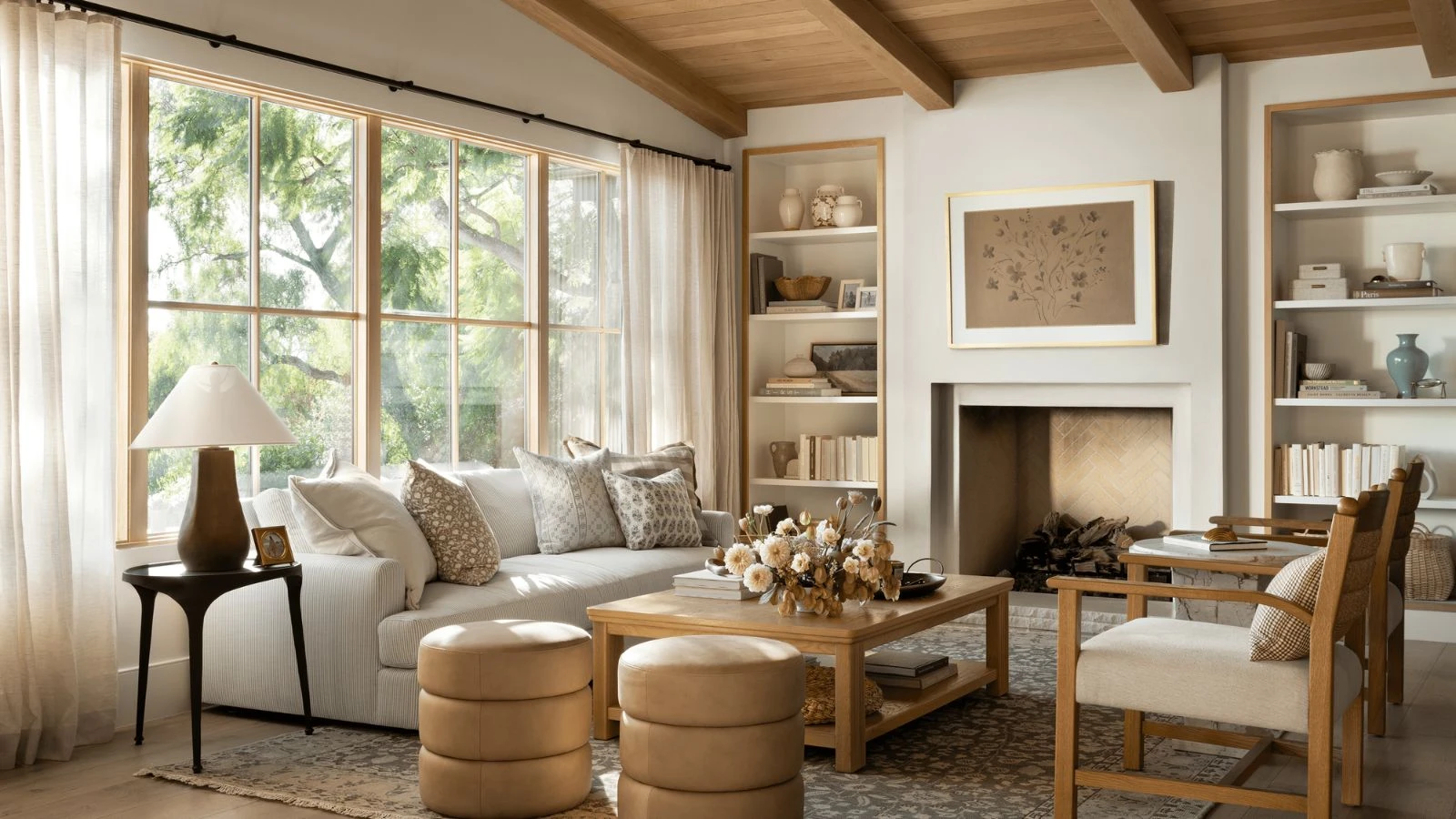 Home & Decors
McGee & Co Review: A Catalogue That Coheres, and Furniture That Does Not Arrive
The Studio McGee catalogue is built so that everything in it sits together, and on décor and textiles the buyers agree. Large furniture is the problem: a $6,000 bed unshipped at six months.
Home & Decors
Home & Decors
McGee & Co Review: A Catalogue That Coheres, and Furniture That Does Not Arrive
The Studio McGee catalogue is built so that everything in it sits together, and on décor and textiles the buyers agree. Large furniture is the problem: a $6,000 bed unshipped at six months.