Aesthetic Room Decor Ideas That Actually Look Good
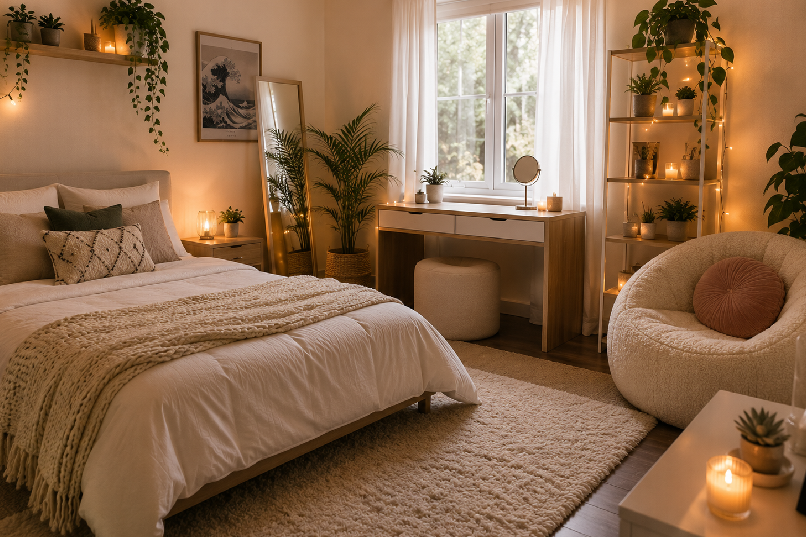
The word aesthetic has become one of those words that means everything and nothing at the same time. Cottagecore aesthetic. Dark academia aesthetic. Clean girl aesthetic. Coastal grandmother aesthetic. Every few months there's a new one and people repaint their rooms and buy new bedding and rearrange their shelves to match it, and then six months later there's another one.
I understand the appeal. Aesthetics give you a reference point when you're not sure what you want. They say here's a mood, here are some objects that belong to that mood, assemble these things and your room will feel like something. The problem is that when the aesthetic shifts — and it always shifts — you're left with a room full of things that feel like last season rather than like you.
The rooms that age well and that feel genuinely beautiful rather than just currently fashionable are built differently. They're built around the actual preferences of the person living in them, layered over time, with things that mean something rather than things that photograph well for a trend.
Here's how to think about that.
Start With the Feeling, Not the Look
Before you buy anything or change anything, sit in your bedroom — or imagine the bedroom you're trying to create — and ask yourself what you want it to feel like to be in there. Not what you want it to look like. What you want it to feel like.
Calm? Creative? Cozy? Like being in a forest? Like being in a Parisian apartment? Like being in a warm library?
The feeling comes first and the visual decisions follow from it. If the feeling you want is calm, you end up with fewer things in the room, softer colors, no harsh surfaces. If the feeling you want is creative and stimulating, you end up with more books, more art, more texture and interest. If you want warmth and coziness, you're thinking about textiles and lighting and wood tones.
This sounds obvious but most people skip it. They go straight to buying things they saw in a post without ever asking what they actually want the room to feel like. Then they end up with a room that looks like someone else's vision of something, rather than their own.
Color and How to Use It Without Getting It Wrong
Color is the fastest way to change how a room feels and the easiest way to make a decision you regret. So it's worth spending real time on this.
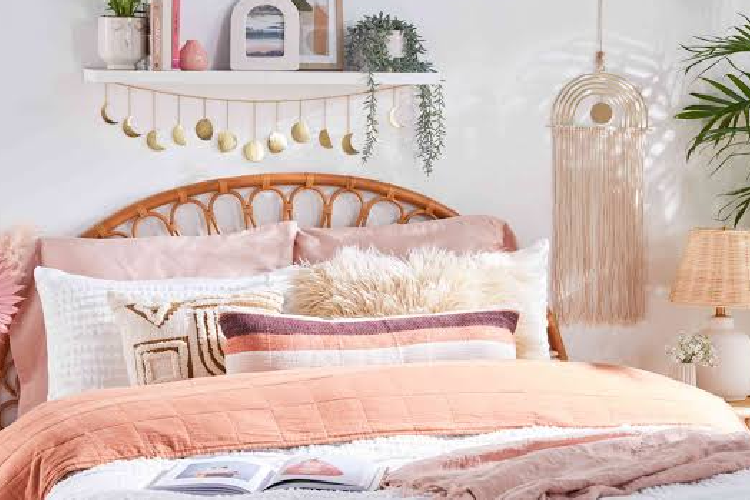
The most common mistake is choosing a color you love in isolation — on a swatch, on a screen, in a magazine — without thinking about how it'll interact with the specific light in your specific room at different times of day. A warm terracotta that looks like a dream in afternoon light can look orange and overwhelming at night under artificial light. A deep green that looks moody and beautiful in a south-facing room can feel cold and heavy in a room that doesn't get much sun.
Get actual samples. Paint them on the wall in a section you can see from across the room and from close up. Look at them in the morning, in the afternoon, in the evening with the lights on. Live with them for a few days before committing.
For an aesthetic that lasts — one that doesn't feel dated in two years — lean toward colors that have some complexity to them. A white that has a hint of warmth rather than pure bright white. A green that has grey in it rather than pure kelly green. A blue that leans dusty rather than electric. These kinds of colors are harder to place at first because they're less immediately striking, but they do something that the punchy, saturated versions don't — they work differently in different light conditions and they sit quietly in the room rather than demanding attention.
Texture Does What Color Can't
A room that's beautiful to look at is almost always a room with varied texture. Not visual chaos — varied texture. Smooth walls next to a linen throw next to a rough rattan basket next to soft velvet cushions. The contrast between surfaces is what gives a room depth and warmth.
This is why all-white rooms that are done well never actually look flat or clinical — it's because the white is on different surfaces with different textures and they read as distinct from each other even though they're technically the same color. A white linen pillow looks nothing like a white painted wall looks nothing like a white ceramic vase.
When you're building the aesthetic of a room, think about what textures are present and whether they're giving the room enough variety. If everything is smooth and shiny, add something rough or soft. If everything is soft and textile, add something solid and structural. The goal is contrast, not coordination.
Art and Objects — the Part That Makes It Personal
This is where a room stops looking like a set and starts looking like it belongs to someone.
The objects that make a room feel personal are almost never the ones you bought for the room. They're the things you found, were given, or already owned — the print from a trip, the ceramics from the market, the books stacked in a way that reflects what you actually read. These things can't be bought and they can't be faked. They happen over time as you bring things into a space from your actual life.
What this means practically is that a room styled to look like a mood board — where everything was sourced to match a visual concept — tends to feel less personal than a room where things have accumulated with intention over time. One imperfect object that means something beats ten perfect objects that don't.
For art specifically: one larger piece looks more considered than several small pieces scattered around. Gallery walls can work but they require a lot of commitment to get right — matching frames, or deliberately mismatched frames with a unifying theme, properly measured spacing. Done badly, a gallery wall just looks like a wall covered in things. If you're not ready for that level of commitment, one print or poster in a simple frame above the bed or desk does the job cleanly.
Lighting Is What Separates Nice from Beautiful
I'll say the same thing I say every time lighting comes up: no room looks as good as it could under a single overhead bulb. Doesn't matter what color the walls are, doesn't matter how good the furniture is, doesn't matter how well the bed is styled. Overhead-only lighting flattens everything.
For an aesthetic room, lighting is not an afterthought. It's a central decision.
Warm bulbs everywhere. 2700K, the golden-warm end of the spectrum rather than cool white. Multiple light sources at different heights rather than one source above. A lamp on the desk, a lamp on the nightstand, maybe a floor lamp in a corner. The goal is pools of warm light rather than even illumination of the whole room.
Candles are part of this too. Not just as scent — though that matters — but as light sources. Lit candles in the evening, even just one or two, add a quality of warmth to a room that electric light doesn't quite replicate. It's very low cost and it does something to the atmosphere of a room that nothing else does in quite the same way.
The Mistakes That Make Aesthetic Rooms Look Forced
Buying too many things at once. A room that's fully decorated all at once, where everything arrived in the same Amazon order, tends to look like a set rather than a space. Let it build.
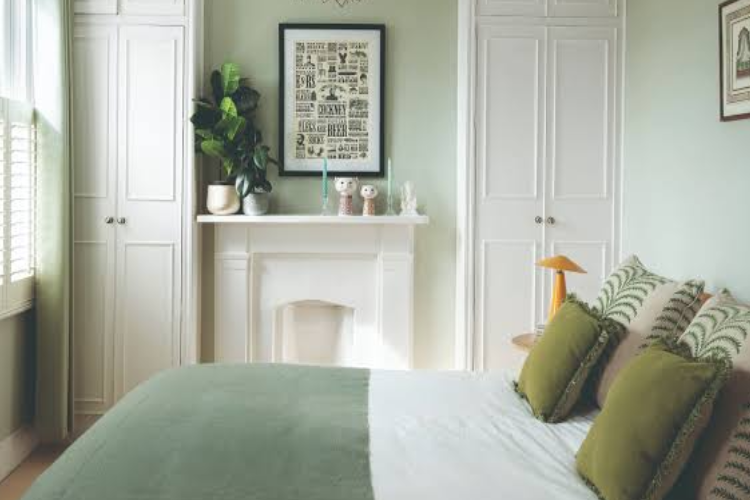
Matching everything too precisely. Rooms where every item coordinates exactly — same wood tone, same metal finish, same color family across every single object — can start to feel like a showroom. A little tension between things, a little contrast, is what makes a room feel like it was lived in rather than installed.
Following a trend too literally. Putting a specific trending item in your room because it's everywhere right now rather than because it speaks to you personally. These are the things you'll want to remove in eighteen months.
Prioritizing what looks good in photos over what feels good to live in. A room can photograph beautifully and be uncomfortable and uninviting to actually spend time in. Design for the person living in it first.
The Actual Goal
A room with aesthetic is a room that clearly belongs to someone. It has a perspective. It has things in it that couldn't have been chosen by anyone else, or at least feel that way. It's calm or warm or interesting or layered in a way that reflects something about how the person living in it actually thinks and feels.
That can't be achieved by following a trend. It can't be bought in one shopping session. It happens when you start paying attention to what you're actually drawn to — not what you're supposed to be drawn to, not what's performing well on social media right now — and you slowly build a space around that over time.
The aesthetic you want is already somewhere inside you. The job is just to figure out what it is.
Every product here was chosen by an editor from the public record — verified buyer reviews, independent testing and the brand’s own documentation — before any commercial conversation happened. If you buy through a link on this page we may earn a commission, at no cost to you, and it never decides what we recommend. Read the full policy.
Editorial Team
Every recommendation on Decor Imperial is researched by our editors from the public record — verified buyer reviews, independent testing, owner communities and the brand’s own documentation — before it appears here. We earn a commission when you buy through our links; no brand sees a review before it is published, and none has ever changed one.
Keep Reading
All stories Room Decor
The Wool Room Review — Genuinely Transformative Sleep, With a Documented Returns Concern to Know
Best for: Hot sleepers, allergy sufferers, night sweat sufferers, and buyers wanting genuinely certified natural wool bedding with documented temperature-regulation benefits and a meaningful trial period.
Room Decor
Room Decor
The Wool Room Review — Genuinely Transformative Sleep, With a Documented Returns Concern to Know
Best for: Hot sleepers, allergy sufferers, night sweat sufferers, and buyers wanting genuinely certified natural wool bedding with documented temperature-regulation benefits and a meaningful trial period.
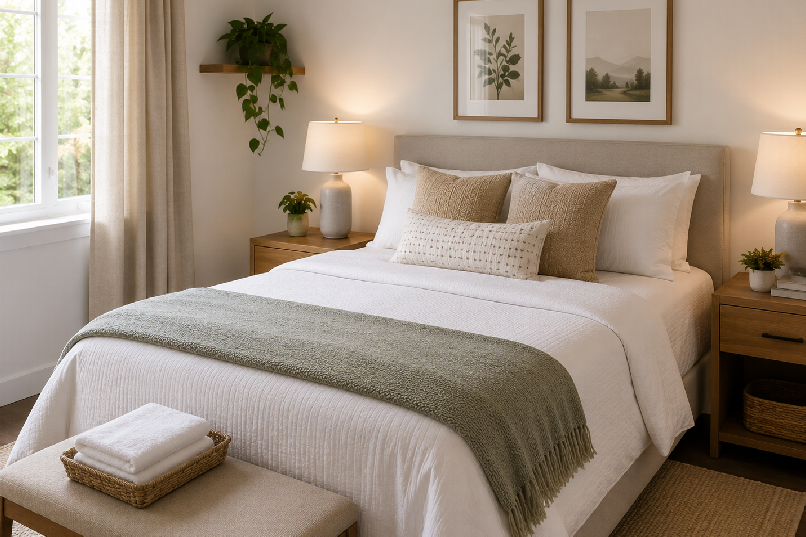 Room Decor
Guest Room Decor Ideas That Make Visitors Feel at Home
There's a tour that happens in almost every home when a guest comes to stay. The host walks them to the guest room and before they've even pushed the door fully open, the apologies start.
Room Decor
Room Decor
Guest Room Decor Ideas That Make Visitors Feel at Home
There's a tour that happens in almost every home when a guest comes to stay. The host walks them to the guest room and before they've even pushed the door fully open, the apologies start.
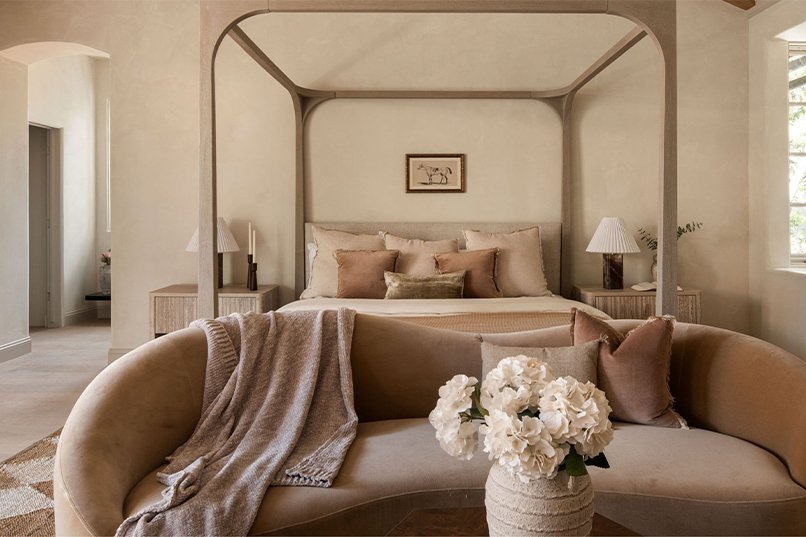 Room Decor
Bedroom Decor Ideas That Make a Room Feel Calm and Cozy
Introduction A bedroom can look clean and still not feel relaxing. You make the bed, clear the side table, maybe light a candle, and the room still feels a bit cold. Or unfinished. Or too busy.
Room Decor
Room Decor
Bedroom Decor Ideas That Make a Room Feel Calm and Cozy
Introduction A bedroom can look clean and still not feel relaxing. You make the bed, clear the side table, maybe light a candle, and the room still feels a bit cold. Or unfinished. Or too busy.