Cozy Room Decor Ideas That Make Any Space Feel Warm
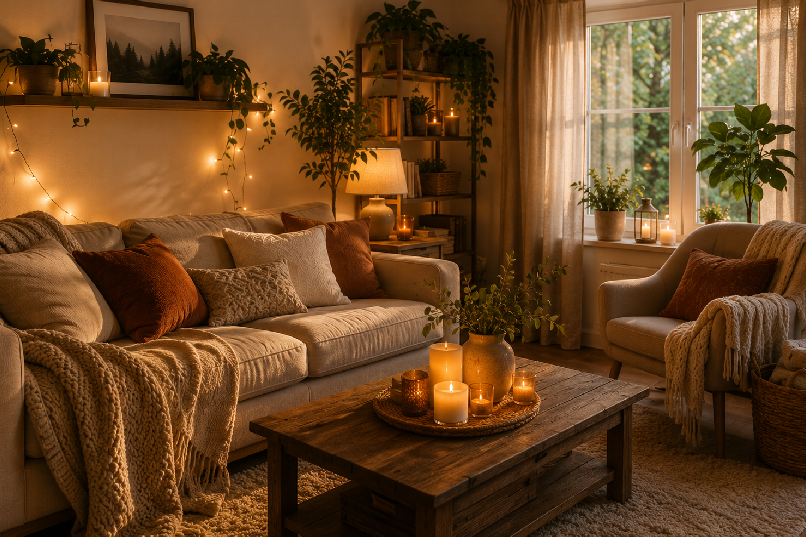
Cozy is one of those words that gets used so much in interior design content that it's started to lose its meaning. Everything is described as cozy. Stark white rooms are called cozy. Rooms with no soft furnishings are called cozy. Rooms that look like they were designed to be photographed rather than lived in get the cozy label slapped on them and somehow everyone accepts it.
Real coziness is a feeling. You know it when you're in a room that has it — the specific quality of warmth and ease that makes you want to stay, to sit down, to take your shoes off and not think about leaving for a while. And you definitely know it when a room doesn't have it, regardless of what the listing description says.
What actually creates that feeling? Not one thing. It's always a combination of things working together. But there are some consistent contributors that show up in every genuinely cozy room, regardless of style or size or budget. Here they are.
Warm Light Is Where All of This Starts
If you only do one thing from this entire article, do this one. Change your bulbs.
Cool white and daylight bulbs — the bright, slightly blue-toned ones — make rooms feel clean and alert. That's useful in a bathroom or a kitchen. In a living room or bedroom, it's the single thing most responsible for a room feeling cold even when everything else is right.
Warm white bulbs, 2700K or lower, do something completely different. The light is amber-toned, soft, slightly golden. It makes faces look better, it makes textures look more interesting, and it makes a room feel like somewhere you want to be rather than somewhere you're just in.
Beyond the bulbs, the placement of light matters at least as much as the color of it. A single overhead fixture illuminating a room from directly above is the enemy of cozy. It's flat, it's uniform, it casts unflattering downward shadows, and it makes a room feel like an office. Cozy rooms have multiple light sources at different heights — lamps on side tables, a floor lamp in a corner, maybe under-shelf lighting, candles on the coffee table. The goal is pools of warm light rather than even illumination.
Candles specifically deserve their own mention because they do something electric light doesn't. The flicker. The movement. The very slightly different quality of the light that your eye responds to differently than a static source. Burning candles in a room for even twenty minutes changes the atmosphere in a way that's genuinely hard to replicate otherwise.
Textiles Everywhere, but Thoughtfully
The visual shorthand for cozy is textiles. Throws, cushions, rugs, curtains, soft lampshades. They register to the eye as soft and warm even from across the room before anyone's touched them.
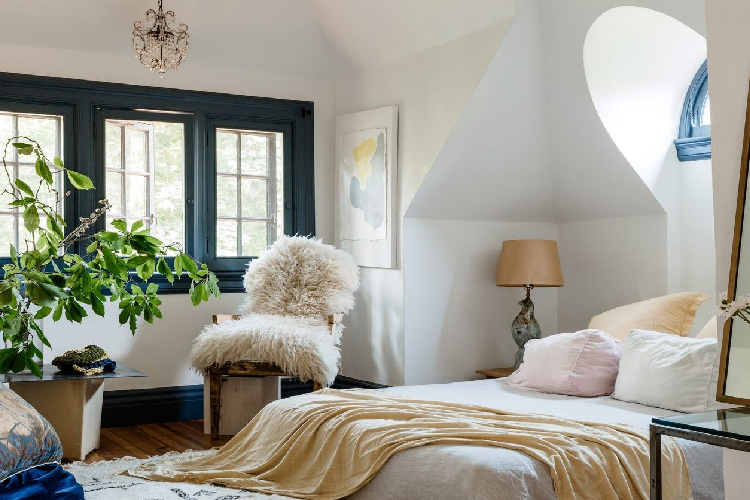
The key is variety of texture rather than volume. A room covered in things that are all the same kind of soft starts to feel cloying rather than cozy. The contrast between surfaces is what creates the feeling of richness and warmth. A chunky knit throw next to smooth linen cushions next to a wool rug next to a velvet chair — those textures are in conversation with each other and the room is more interesting because of it.
The throw on the sofa or at the foot of the bed is the single easiest and cheapest cozy addition available. One good throw costs between twenty and fifty pounds from IKEA, H&M Home, or Dunelm. Draped loosely — not folded with perfect precision — it makes a space feel lived in and inviting rather than staged.
Rugs deserve particular attention because they do two things at once. They add texture and warmth visually, and they literally make the floor warmer to walk on. A room with bare hard floors feels cooler both physically and atmospherically than the same room with a rug. This is more pronounced in winter and in rooms with stone or tile floors, but it matters year-round. Size matters here — a rug that's too small for the furniture grouping it's in looks like it was placed by accident. Go bigger than your instinct says.
Curtains that are the right length and the right weight add more to a room's warmth than most people realize. Floor-length curtains in a fabric with some substance to it — linen, velvet, heavyweight cotton — both look warmer and actually help insulate the room. Thin curtains that don't reach the floor make a room feel finished the wrong way — like something was almost done but not quite.
Color That Holds You Rather Than Pushes You Away
Cold, bright colors are alerting. Warm, muted colors are settling. For a cozy room, the color palette wants to fall on the settling end.
This doesn't mean everything needs to be beige. It means the colors you choose should have enough warmth mixed into them to feel soft rather than sharp. Warm whites and off-whites. Muted terracotta and rust tones. Dusty pinks. Forest greens with grey in them. Deep navy that leans warm rather than cool. Caramel and amber and honey.
The wall color matters but it's not the whole picture. In a cozy room, the walls are often less saturated than the furnishings. A warm white or very pale neutral wall lets the textiles and furniture carry the color, which tends to work better for warmth than strong color on the walls with neutral furnishings.
Dark walls can absolutely be cozy — a deep green or a charcoal bedroom can feel wonderfully enveloping — but they work through the enclosure effect rather than lightness. The room feels like a cocoon rather than an open space. Whether that appeals to you is personal but it's a real cozy strategy if you're drawn to it.
Scent Is the Cozy Element Nobody Talks About
Smell is the sense most directly connected to emotion and memory, and it's the most underused tool in creating a cozy room.
A room that smells good feels more like somewhere you want to be. This isn't complicated — it's just true. The smell of a candle that's been burning, of linen spray on a pillow, of a wood wick that's just been blown out. These things create an atmosphere that has nothing to do with what the room looks like.
You don't need to spend much. A reed diffuser from a supermarket, a pillow spray from Boots, a cheap candle with a good scent. The specific scents that tend to read as cozy rather than clinical are the warm ones — vanilla, sandalwood, amber, cedar, anything with spice in it. Clean and fresh scents are nice but they don't create warmth. The warm, slightly sweet, slightly woody scents do.
The Role of Clutter and the Role of Personal Things
There's a distinction worth making here because people often confuse the two. Clutter and personal objects are not the same thing and they do opposite things to a room.
Clutter is things that are there because they have nowhere else to go. Unopened mail. Bags that got put down and never moved. Products without a home. These things create visual noise and they work against coziness because the eye can't settle on them — it just bounces around from thing to thing feeling slightly overwhelmed.
Personal objects are things that are there on purpose. The books you love. The small piece of pottery you bought at a market. The photograph in the frame. These things make a room feel like someone lives in it and has brought their life into it, which is one of the most important components of cozy. Rooms that feel like showrooms, however beautiful, don't feel cozy. Rooms that feel like someone's home do.
So the answer isn't to strip everything back until a room is empty and minimalist. It's to be deliberate about what you keep and how you arrange it. Less visual noise, more personal meaning.
Warmth You Feel as Much as See
Real coziness involves physical warmth too, not just visual warmth. A room that looks cozy but is physically cold doesn't quite make it. And a room that's physically warm but has no visual warmth misses something too. The two things work together.
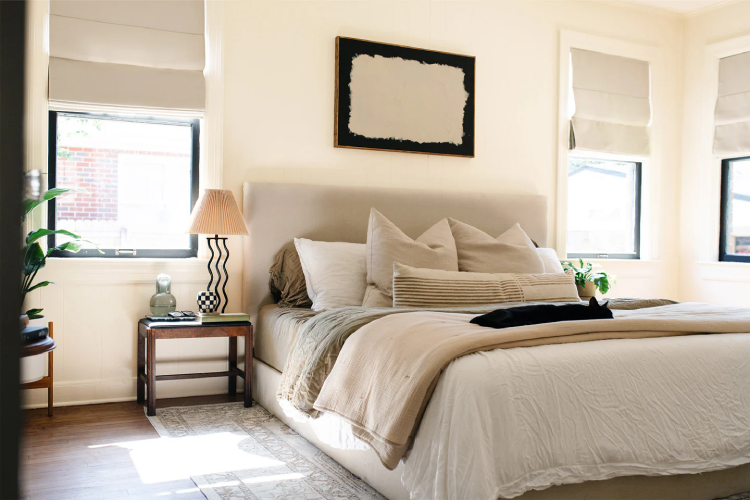
Layering textiles — the duvet plus the throw plus the rug plus the curtains — genuinely keeps a room warmer. Heavy curtains reduce heat loss through windows significantly. A good rug on a cold floor makes the room feel warmer as soon as you step into it. These things aren't just decorative.
Natural materials tend to feel warmer than synthetics even at the same temperature. Wool, cotton, linen, wood, stone — these things have a warmth in how they feel to the touch that plastic and synthetic fabrics don't. When a room is furnished primarily in natural materials, it reads as warmer and feels warmer physically.
The Simple Test
Sit in the room you're trying to make cozy. Close your eyes for a moment. Then open them and notice the first thing your eye goes to and whether it makes you feel relaxed or unsettled. Notice whether the light feels right or too harsh or too dim. Notice if there's anywhere comfortable to actually sit and be still for a while.
Cozy rooms pass that test. You open your eyes and something in the room welcomes you rather than demanding something from you. The light is right, there's somewhere soft to look, you're not immediately aware of things that need doing or things that are out of place.
Work from that feeling outward. It's a better guide than any list of products.
Every product here was chosen by an editor from the public record — verified buyer reviews, independent testing and the brand’s own documentation — before any commercial conversation happened. If you buy through a link on this page we may earn a commission, at no cost to you, and it never decides what we recommend. Read the full policy.
Editorial Team
Every recommendation on Decor Imperial is researched by our editors from the public record — verified buyer reviews, independent testing, owner communities and the brand’s own documentation — before it appears here. We earn a commission when you buy through our links; no brand sees a review before it is published, and none has ever changed one.
Keep Reading
All stories Home & Garden
Wondercide Review: The Plant-Based Pest Control Brand With Genuine Science Behind It
Peer-reviewed work found the cedar oil as lethal to nymph ticks as permethrin and as repellent as DEET. The complaint that has nothing to do with the spray: a privacy policy that collects more than it needs.
Home & Garden
Home & Garden
Wondercide Review: The Plant-Based Pest Control Brand With Genuine Science Behind It
Peer-reviewed work found the cedar oil as lethal to nymph ticks as permethrin and as repellent as DEET. The complaint that has nothing to do with the spray: a privacy policy that collects more than it needs.
 Home & Garden
Solo Stove Review: Practically Indestructible, and Not a Heat Source
A dozen products in, Family Handyman's long-term tester calls these practically indestructible. Understand what you are buying: the airflow that kills the smoke sends the heat up, not at you.
Home & Garden
Home & Garden
Solo Stove Review: Practically Indestructible, and Not a Heat Source
A dozen products in, Family Handyman's long-term tester calls these practically indestructible. Understand what you are buying: the airflow that kills the smoke sends the heat up, not at you.
 Home & Garden
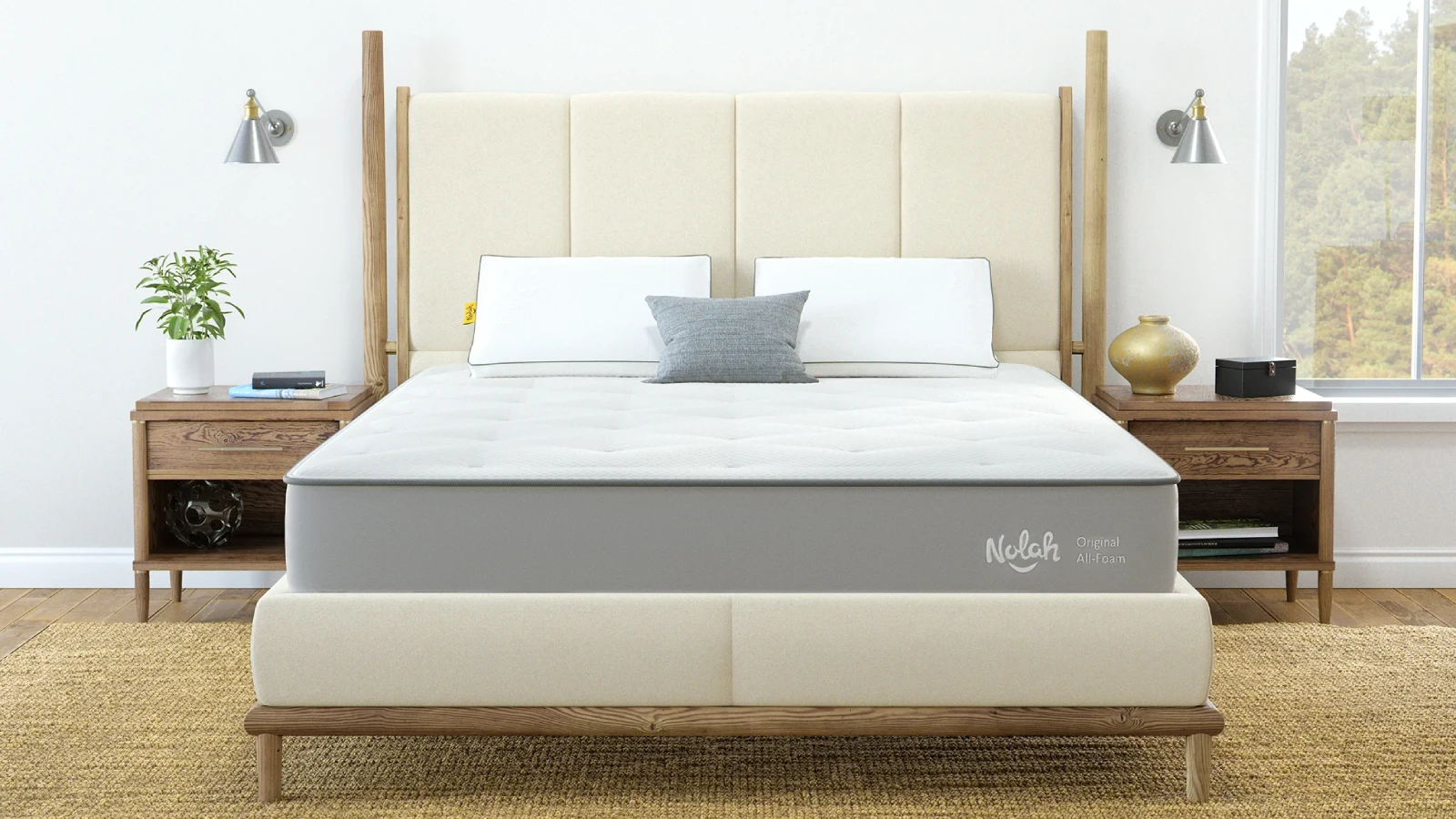
Nolah Mattress Review: The Sleep Technology Company That Consistently Earns 9/10+ in Independent Testing
AARP scored three Nolah models nine out of ten or better, which almost never happens across a whole line-up. One caveat for anyone reading older reviews: the Original Hybrid went in May 2025.
Home & Garden
Home & Garden
Nolah Mattress Review: The Sleep Technology Company That Consistently Earns 9/10+ in Independent Testing
AARP scored three Nolah models nine out of ten or better, which almost never happens across a whole line-up. One caveat for anyone reading older reviews: the Original Hybrid went in May 2025.