Small Bedroom Decor Ideas That Make Any Room Feel Bigger
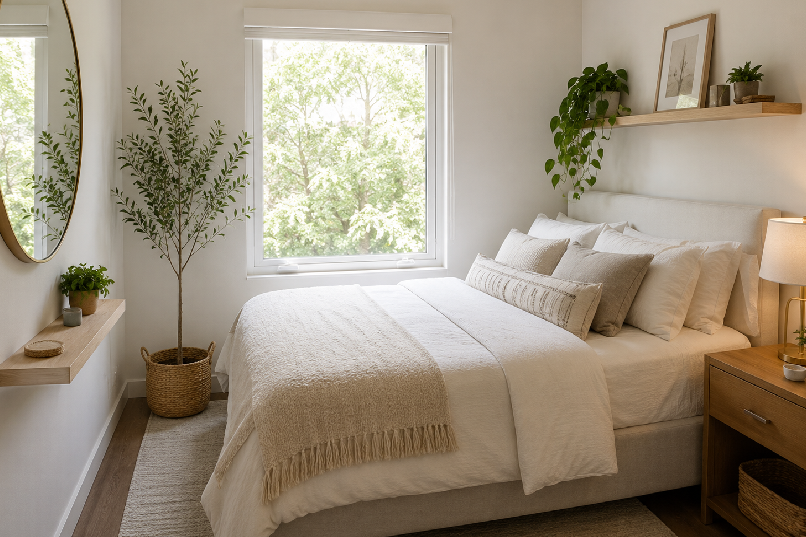
I used to live in a bedroom so small that if I stood in the middle of it and stretched my arms out, I could almost touch both walls. Not quite, but almost. The bed took up most of the room. The wardrobe door couldn't open fully without hitting the bed frame. Getting dressed in the morning meant doing a little sideways shuffle just to get from one side of the room to the other.
I hated it for about six months. Then I figured some things out and I stopped hating it.
The room didn't get bigger. But it felt different. And honestly after a while it felt fine — even nice. Not because I found some magical design trick that doubled the space, but because I stopped trying to treat it like a bigger room and started working with what it actually was.
That's the thing nobody tells you about small bedrooms. The problem is almost never the size. It's that people try to cram a large bedroom vision into a small bedroom reality. Different furniture, different layout, different approach — and suddenly the same square footage breathes.
Here's what actually made a difference for me and for a lot of other people I know who've dealt with the same thing.
First Thing — Get Stuff Out
Not what you wanted to hear. I know. But I'm putting it first because nothing else on this list matters if you skip this part.
Walk into your bedroom and look at everything that isn't your bed, your wardrobe, and your chest of drawers. The pile of books on the floor. The gym bag in the corner that's been there since March. The chair that became a clothes holder. The random lamp on the floor that you meant to find a place for.
Every single one of those things is making your room feel smaller. Not just because they take up physical space — which they do — but because they take up visual space. Your eye moves through a cluttered room and gets tired. Your eye moves through a clear room and relaxes.
Hotel rooms feel bigger than they are partly because of design, but mostly because there's nothing in them that doesn't belong there. Before you spend a single penny on decorating this room, spend an hour taking out everything that shouldn't be in it. You'll be surprised how different it feels before anything else changes.
The Color Thing Is Real but People Get It Wrong
Dark colors make walls feel closer. Light colors make walls feel like they're stepping back. That's the short version and it's true.
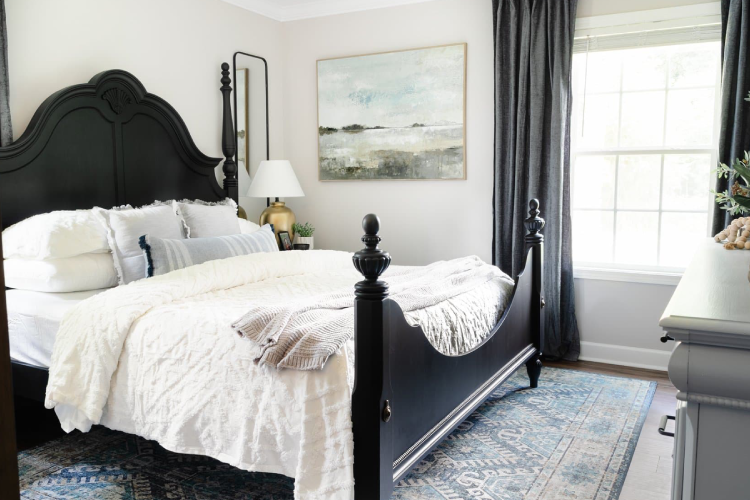
The mistake people make is they hear "light colors" and they paint everything stark white and then wonder why the room feels cold and clinical. There's a difference between light and harsh. You want something warm — a soft white with a yellow or pink undertone, an off-white that leans toward cream, a very pale sage or dusty blue-grey. Something that reads as airy and calm rather than bright and stark.
The other thing worth trying that most people don't think about is the ceiling. Standard advice is to paint it white. And that works. But if your room is very small, painting the ceiling the same color as the walls — or just a shade or two lighter — makes the whole room feel like one continuous space instead of a box with a lid on it. The visual boundary between wall and ceiling disappears and the room feels taller.
Test colors with actual samples on the actual wall before you commit. Paint does completely different things in different light. What looks beautiful in the shop under fluorescent lights at noon can look like a different color entirely in your north-facing bedroom at 7am on a cloudy day.
Every Piece of Furniture Needs to Earn Its Place
In a small bedroom there's no such thing as furniture that just exists. Everything in there is using up floor space you don't have, so everything needs to do enough to justify that cost.
The bed is the obvious place to start because it's the biggest thing in the room. A bed frame with storage drawers underneath is the single most impactful furniture decision you can make for a small bedroom. The space under a standard bed is usually wasted — low enough to be awkward to reach into, high enough to collect dust. Storage bed frames convert that dead space into actual usable drawers. If you're getting a new frame anyway, get one with storage. It genuinely changes how much breathing room the rest of the room has.
If you're not getting a new frame, bed risers plus low-profile storage containers under the existing bed. Not as elegant but it works.
Nightstands are worth rethinking too. A floating wall-mounted shelf in place of a freestanding nightstand does the same job, takes no floor space, and can be positioned at exactly the right height for you. That little bit of visible floor underneath it matters more than you'd think.
And honestly — if you have a large dresser in a small bedroom, consider whether it actually needs to be in the bedroom at all. Tall narrow wardrobes with internal shelving give you more storage in less floor space. A dresser in the hallway or landing is sometimes the move that frees up just enough room to make the bedroom feel like itself.
The Mirror Advice Is Correct but Placement Is Everything
Everyone's heard that mirrors make rooms feel bigger. Fewer people actually see the effect because they put a medium-sized mirror in the wrong place and then wonder why nothing changed.
A small mirror reflects a small section of the room. That doesn't do much. A large mirror placed where it reflects the window — so you see two sources of natural light instead of one — or where it reflects the most open part of the room — that does something. Your brain registers depth where there isn't any. The room appears to continue beyond the wall.
The full-length mirror leaning against a wall is one of the most effective things you can put in a small bedroom. A 60-inch mirror propped in a corner reads almost like a doorway. It costs between thirty and eighty pounds at IKEA or H&M Home and it immediately changes the feel of the room.
Just point it at light and space, not at clutter.
Lighting Is the Thing That Changes Everything and Gets the Least Attention
The same bedroom under a single overhead bulb and under warm layered lamps is not the same bedroom. The difference is that significant. I don't think people realize how much of what they're feeling about a room is actually what the light is doing to it.
Most small bedrooms have a center ceiling light and nothing else. That light comes from directly above, falls flat on everything, makes the room look as large as it actually is — which in a small room isn't helpful — and feels like being in an office rather than a bedroom.
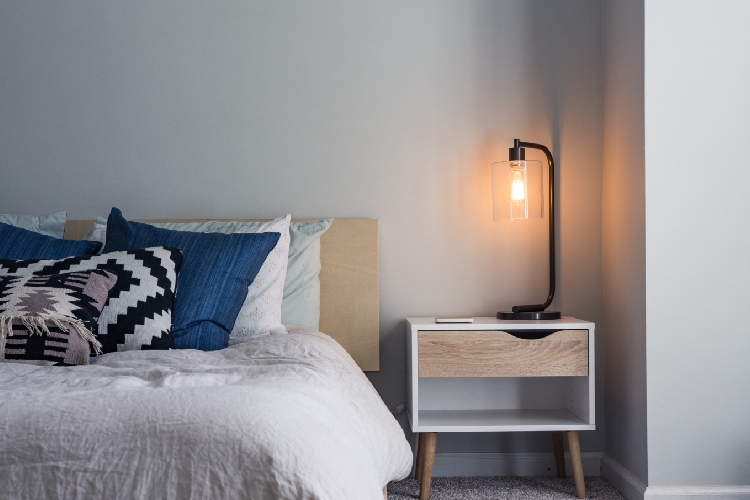
Stop using the overhead light as your primary evening light. Get two bedside lamps instead, or wall-mounted swing arm lamps if you don't have nightstand space. Warm bulbs — 2700K, the kind that glow amber rather than white. Put them at reading height on each side of the bed. The room will feel warmer, calmer, and bigger without a single other thing changing.
While you're at it, swap every cool white or daylight bulb in the room for warm white. That change alone, which costs about three pounds per bulb, makes a bedroom feel measurably cozier. I'm not exaggerating. Try it tonight.
The Bed Styling Part That People Underestimate
The bed is the visual anchor of a small bedroom. If it looks good, the room looks good. If it looks like an afterthought, the room follows.
Light bedding is almost always the right call in a small room. White, off-white, warm cream, very pale grey. Dark bedding makes the biggest piece of furniture in the room feel heavy and it shrinks the space visually. I know dark bedding is having a moment and it looks stunning in the right setting — a large airy room with good light is that setting. A small bedroom usually isn't.
Three pillows against the headboard is all you need. Two sleeping pillows in pillowcases, one slightly smaller decorative pillow in front. That's the hotel setup and it's the one that looks considered without looking overdone. More than three pillows in a small bedroom starts to look like the pillows are multiplying.
One throw, folded once, at the foot of the bed. Not draped, not piled — folded. It adds texture and it gives the bed a finished look. A linen or chunky knit throw from IKEA or H&M Home works perfectly.
Small Details That Make a Real Difference
New drawer pulls on old furniture. This sounds minor and it isn't. The hardware is the first thing your eye goes to on a dresser or wardrobe. Replacing standard silver handles with brushed brass or matte black pulls takes about twenty minutes and changes how the whole piece looks. Eight pulls costs somewhere between ten and twenty-five pounds. It's the best price-to-impact ratio in bedroom decorating.
Curtains hung at ceiling height, not window height. The rod goes as close to the ceiling as possible. The curtains hang all the way to the floor. The rod extends a good twelve inches beyond the window frame on each side so the curtains stack off the glass completely when open. This makes the window look bigger, makes the ceiling look higher, and makes the room feel more considered. Sheer linen panels in this setup let the light in while still giving some privacy.
A rug that goes partially under the bed — not beside the bed, under it. A 5x8 positioned with about two-thirds under the bed gives you the soft landing when you step out in the morning and grounds the whole sleeping area in a way that a bare floor doesn't. It defines the space without taking it over.
The Actual Point of All This
Small bedrooms that feel good have one thing in common. Everything in them was decided. Not bought without measuring, not inherited from a previous arrangement, not kept because getting rid of it felt like effort. Actually decided.
The size stops mattering so much once the decisions are intentional. That's genuinely what I found, and it's what I've seen work for other people too. The room I described at the beginning of this — the one I could almost touch both walls in — that room felt like home by the end. Not because it got bigger. Because eventually everything in it was there on purpose.
Every product here was chosen by an editor from the public record — verified buyer reviews, independent testing and the brand’s own documentation — before any commercial conversation happened. If you buy through a link on this page we may earn a commission, at no cost to you, and it never decides what we recommend. Read the full policy.
Editorial Team
Every recommendation on Decor Imperial is researched by our editors from the public record — verified buyer reviews, independent testing, owner communities and the brand’s own documentation — before it appears here. We earn a commission when you buy through our links; no brand sees a review before it is published, and none has ever changed one.
Keep Reading
All stories Home & Garden
Wondercide Review: The Plant-Based Pest Control Brand With Genuine Science Behind It
Peer-reviewed work found the cedar oil as lethal to nymph ticks as permethrin and as repellent as DEET. The complaint that has nothing to do with the spray: a privacy policy that collects more than it needs.
Home & Garden
Home & Garden
Wondercide Review: The Plant-Based Pest Control Brand With Genuine Science Behind It
Peer-reviewed work found the cedar oil as lethal to nymph ticks as permethrin and as repellent as DEET. The complaint that has nothing to do with the spray: a privacy policy that collects more than it needs.
 Home & Garden
Solo Stove Review: Practically Indestructible, and Not a Heat Source
A dozen products in, Family Handyman's long-term tester calls these practically indestructible. Understand what you are buying: the airflow that kills the smoke sends the heat up, not at you.
Home & Garden
Home & Garden
Solo Stove Review: Practically Indestructible, and Not a Heat Source
A dozen products in, Family Handyman's long-term tester calls these practically indestructible. Understand what you are buying: the airflow that kills the smoke sends the heat up, not at you.
 Home & Garden
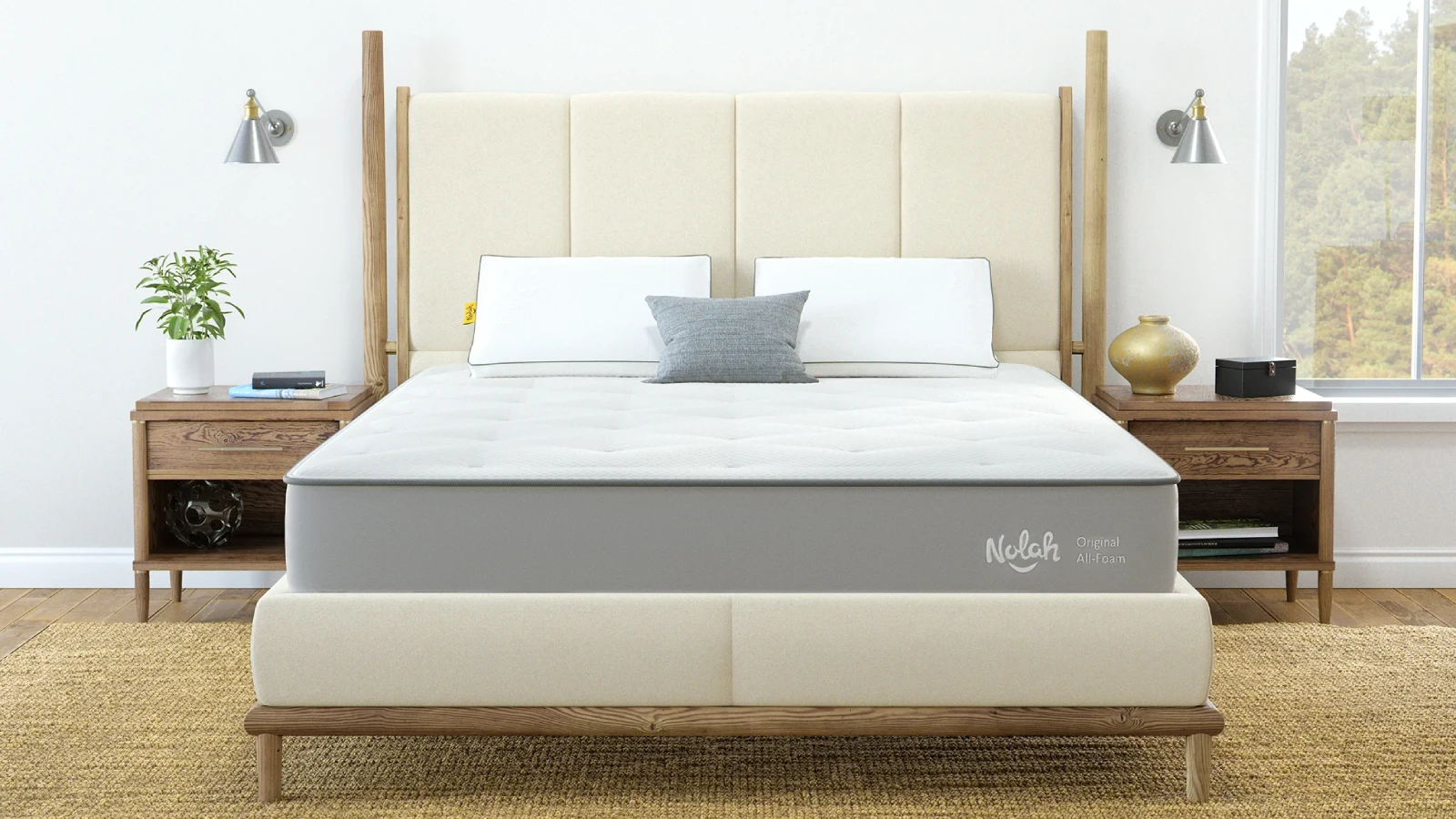
Nolah Mattress Review: The Sleep Technology Company That Consistently Earns 9/10+ in Independent Testing
AARP scored three Nolah models nine out of ten or better, which almost never happens across a whole line-up. One caveat for anyone reading older reviews: the Original Hybrid went in May 2025.
Home & Garden
Home & Garden
Nolah Mattress Review: The Sleep Technology Company That Consistently Earns 9/10+ in Independent Testing
AARP scored three Nolah models nine out of ten or better, which almost never happens across a whole line-up. One caveat for anyone reading older reviews: the Original Hybrid went in May 2025.