Guest Room Decor Ideas That Make Visitors Feel at Home
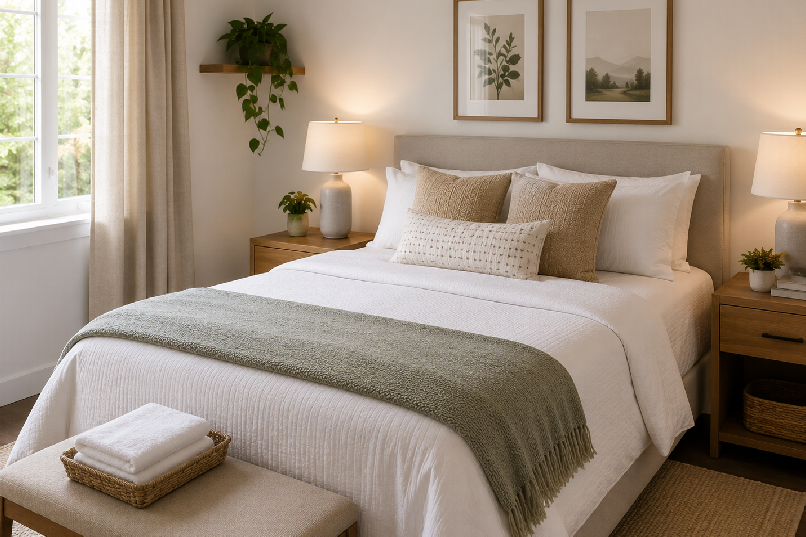
There's a tour that happens in almost every home when a guest comes to stay. The host walks them to the guest room and before they've even pushed the door fully open, the apologies start. Sorry it's a bit bare. Sorry the wardrobe's full of our things. Sorry there's no mirror. Sorry about the mattress — it's not great but it should be fine.
Guests say it's absolutely fine. They mean it. But spending two or three nights in a room that was clearly never really thought about is a specific kind of experience that people don't forget. Not because they're ungrateful — they're not. But because sleeping somewhere unfamiliar is already a little disorienting, and a room that feels like an afterthought makes that worse.
The good news is that making a guest room genuinely good isn't about spending a lot of money. It's about a small number of deliberate decisions made around what a person actually needs when they're sleeping somewhere that isn't their own bed. Once you know what those things are, the whole thing gets much simpler.
Nothing Else Matters if the Bed Isn't Comfortable
I want to say this plainly because most guest room guides bury it or soften it. If your guest room mattress is bad, no amount of nice throw pillows or thoughtful little touches makes up for three nights of bad sleep. People are polite about it. They don't say anything. But they remember.
The most common guest room mattress situation goes like this. The main bedroom gets a new mattress. The old one gets moved to the guest room because it still technically works and throwing it away feels wasteful. Except it was being replaced for a reason — usually because it had become uncomfortable — and that reason doesn't go away just because the room changed.
If you can't replace it right now, which is completely reasonable for a bed that gets used maybe a dozen times a year, a mattress topper is the fix. A decent three-inch memory foam topper sits somewhere between sixty and a hundred and fifty pounds depending on size. Put it on an old mattress and the sleeping experience changes completely. That is the most valuable purchase you can make for a guest room and I'd do it before I bought anything decorative.
For bedding, think about what makes a hotel bed feel good. It's almost never the thread count. It's that the sheets are clean, in good condition, and actually fit the mattress properly. A fitted sheet that comes off in the night is one of the more irritating things to deal with as a guest. White cotton bedding that fits well and is properly laundered tells someone that you thought about their comfort. IKEA and Dunelm both do this perfectly well without spending much.
One more thing — put four pillows on the bed. Two firm, two soft if you can manage it. People sleep differently. Giving guests options without them having to ask is the kind of small thing that makes a stay feel genuinely considered rather than just tolerated.
Clear the Room Before Anyone Arrives
The guest room becomes storage in most homes because it's there and it's empty and things need somewhere to go. Off-season clothes in the wardrobe. Sports equipment in the corner. Moving boxes that have been there for two years and contain things you've completely forgotten about.

When someone comes to stay and opens the wardrobe to hang up a coat and finds it packed with someone else's things, the room has immediately communicated something about how welcome they are. They end up living out of their suitcase for the whole visit because there's nowhere to put anything.
Before guests arrive, clear out a proper section of the wardrobe with at least ten free hangers waiting. Empty two or three drawers if there's a dresser. Find another home for whatever's been camped out in the guest room out of convenience. This takes an hour and it changes how the room feels more than almost anything you could buy for it.
Once the room is clear, there are a few things worth having in it. A luggage rack or a low bench at the foot of the bed means guests aren't living out of a suitcase on the floor. A luggage rack costs twenty-five to fifty pounds and solves a thing that's genuinely annoying to deal with as a guest. An empty drawer with a few spare hangers. A mirror — full length if space allows. These aren't luxuries. They're just the basic things someone needs to function comfortably in a room for a few days.
Sort Out the Plug Situation
This one sounds small and it isn't. Guests charge their phones overnight. If there's no accessible plug near the bed, the phone ends up on the floor across the room or tethered to the wall by a short cable that doesn't really reach. Neither is comfortable and both are irritating.
Before the next guest arrives, check whether there's a plug within easy reach of the bed on at least one side. If there isn't, a small extension cord or a bedside charging pad with a long enough lead solves it for about fifteen pounds. A USB port built into a bedside lamp is even better.
This isn't a decorating tip. It's a practicality tip. But the guest rooms that feel genuinely well set up are the ones where the practical things have been sorted before the decorative decisions, not after.
Lighting Makes More Difference Than People Expect
A single overhead light in a guest room makes the room feel like a storage unit with a bed in it. The light is harsh, it's coming from directly above, and it gives the space no warmth at all.
A lamp on the nightstand — or on each nightstand if there are two — changes the whole feeling of the room. Warm bulb, 2700K or softer. The kind of light that's comfortable to read under at ten at night without feeling like you're in a hospital. It also gives your guest control over their own lighting without having to use the overhead switch that's probably by the door on the opposite side of the room from the bed.
If there's a window in the room that gets any natural light, dress it properly. Heavy curtains that block all the light make a small guest room feel like a cave during the day. Sheer linen panels that let light through while giving some privacy are the better call. If blackout is important — and for some guests it really is, especially if they're crossing time zones — a blackout blind behind the sheer panels gives them the option.
A Few Small Things That Cost Almost Nothing
Fresh flowers or a small plant on the dresser. This sounds like a nice-to-have and it's more than that. It's a signal that someone was in this room recently and prepared it for you. A small bunch of flowers from the supermarket costs three pounds and says something that a hundred pound piece of furniture doesn't.
A small tray or dish on the nightstand with a glass of water, something to read, and maybe a small bar of chocolate or a couple of biscuits. This is the hotel touch that takes about four minutes to set up and makes guests feel like they're being taken care of.
A spare blanket at the foot of the bed. Guests don't always want to go looking for you at midnight to ask if there's an extra blanket. Having one already in the room means they don't have to.
Good curtains or a blackout blind already mentioned. But also just — make sure the light switch is obvious. Sounds ridiculous. But arriving in a dark unfamiliar room and spending thirty seconds looking for the switch is a small annoyance that stays with you. A little plug-in nightlight in the socket nearest the door costs about five pounds and means guests who wake up in the night can orient themselves without turning on a full light.
The Decorating Part
Everything above was about function. Now the room can look like something too.
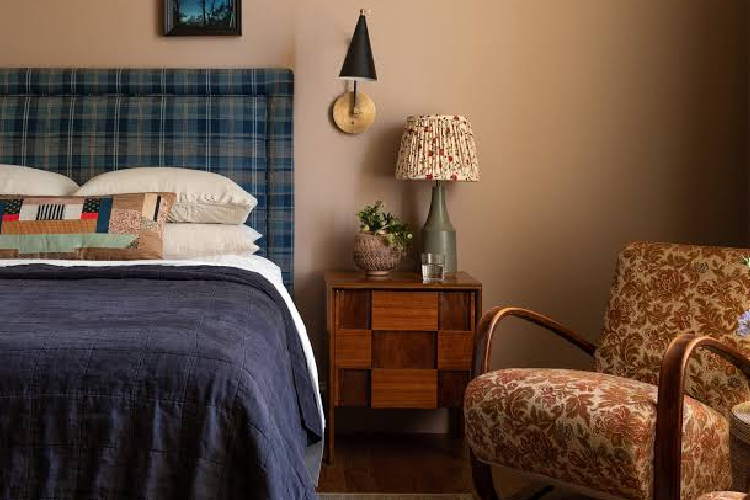
A neutral wall color that feels calm rather than blank. Warm white, pale grey, very soft green. Nothing that takes a strong position — this is a room for different people at different times and it needs to be easy to be in for a wide range of people.
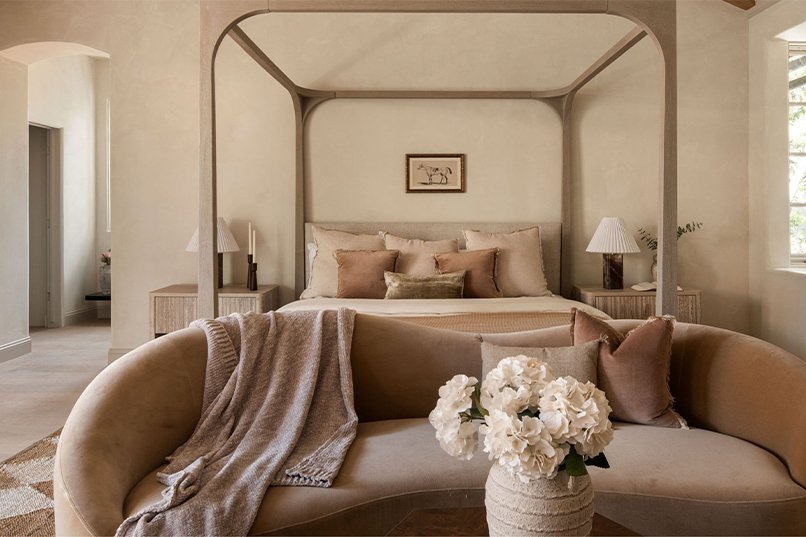
Bedding already covered — white or very light, clean lines, nothing too fussy. One throw at the foot of the bed for texture.
Art on the wall if you want it, but this is genuinely optional. One framed print above the bed is enough. It doesn't need to be expensive or meaningful — it just needs to make the wall look intentional rather than bare.
A rug if the floor is hard and cold. Not a tiny decorative rug in the corner — a proper one that goes under the bed so there's something soft to step onto when you get up in the morning.
And that's honestly it. The guest rooms that people remember well aren't the ones with the most things in them. They're the ones where someone clearly thought about what it would feel like to be the person sleeping there. That's a mindset more than a decorating project. Get the mindset right and the rest of the decisions fall into place fairly naturally.
Every product here was chosen by an editor from the public record — verified buyer reviews, independent testing and the brand’s own documentation — before any commercial conversation happened. If you buy through a link on this page we may earn a commission, at no cost to you, and it never decides what we recommend. Read the full policy.
Editorial Team
Every recommendation on Decor Imperial is researched by our editors from the public record — verified buyer reviews, independent testing, owner communities and the brand’s own documentation — before it appears here. We earn a commission when you buy through our links; no brand sees a review before it is published, and none has ever changed one.
Keep Reading
All stories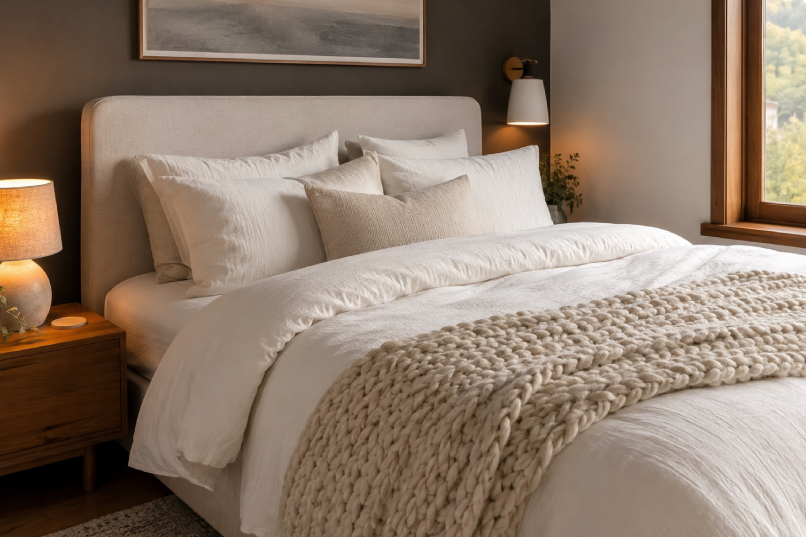 Room Decor
The Wool Room Review — Genuinely Transformative Sleep, With a Documented Returns Concern to Know
Best for: Hot sleepers, allergy sufferers, night sweat sufferers, and buyers wanting genuinely certified natural wool bedding with documented temperature-regulation benefits and a meaningful trial period.
Room Decor
Room Decor
The Wool Room Review — Genuinely Transformative Sleep, With a Documented Returns Concern to Know
Best for: Hot sleepers, allergy sufferers, night sweat sufferers, and buyers wanting genuinely certified natural wool bedding with documented temperature-regulation benefits and a meaningful trial period.
 Room Decor
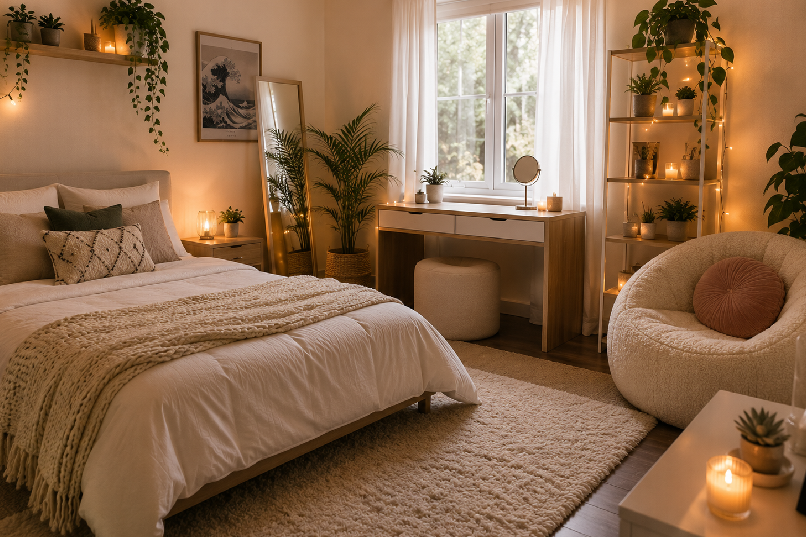
Aesthetic Room Decor Ideas That Actually Look Good
The word aesthetic has become one of those words that means everything and nothing at the same time. Cottagecore aesthetic.
Room Decor
Room Decor
Aesthetic Room Decor Ideas That Actually Look Good
The word aesthetic has become one of those words that means everything and nothing at the same time. Cottagecore aesthetic.
 Room Decor
Bedroom Decor Ideas That Make a Room Feel Calm and Cozy
Introduction A bedroom can look clean and still not feel relaxing. You make the bed, clear the side table, maybe light a candle, and the room still feels a bit cold. Or unfinished. Or too busy.
Room Decor
Room Decor
Bedroom Decor Ideas That Make a Room Feel Calm and Cozy
Introduction A bedroom can look clean and still not feel relaxing. You make the bed, clear the side table, maybe light a candle, and the room still feels a bit cold. Or unfinished. Or too busy.