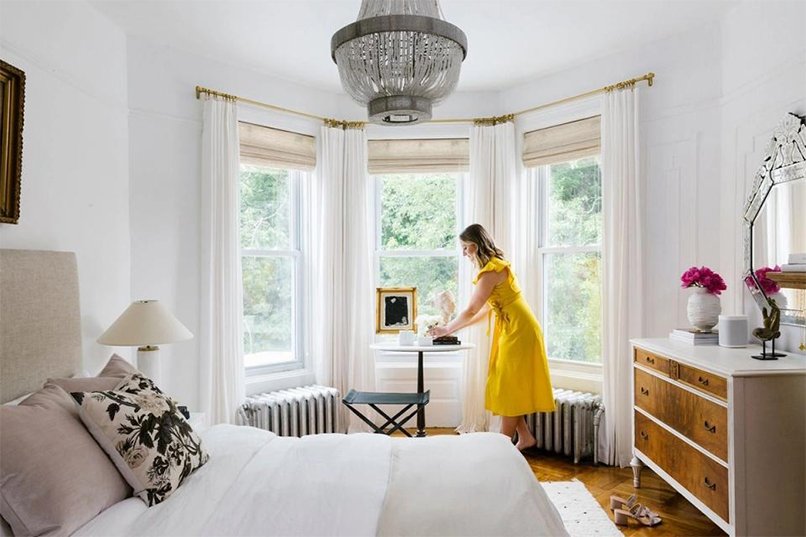
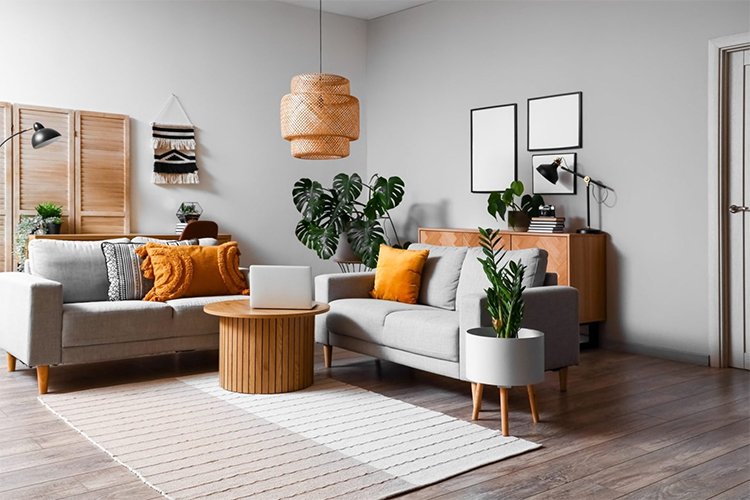
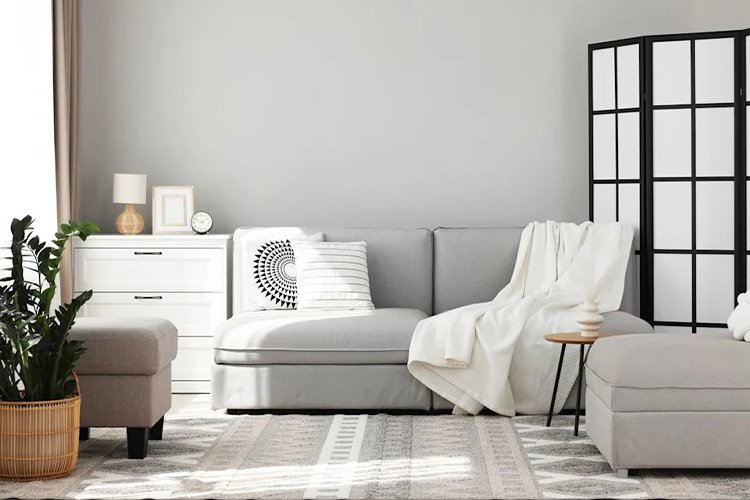
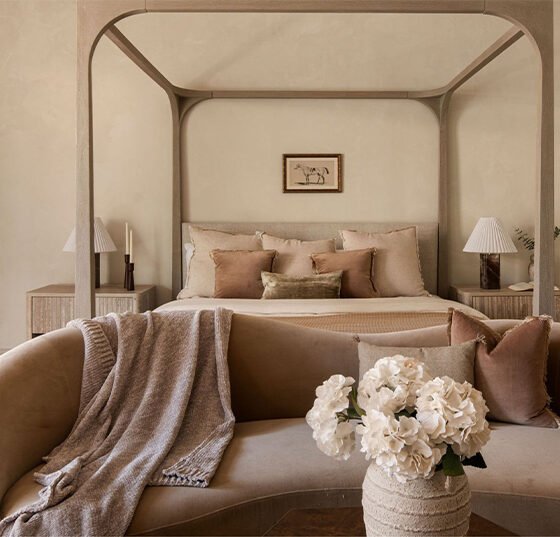
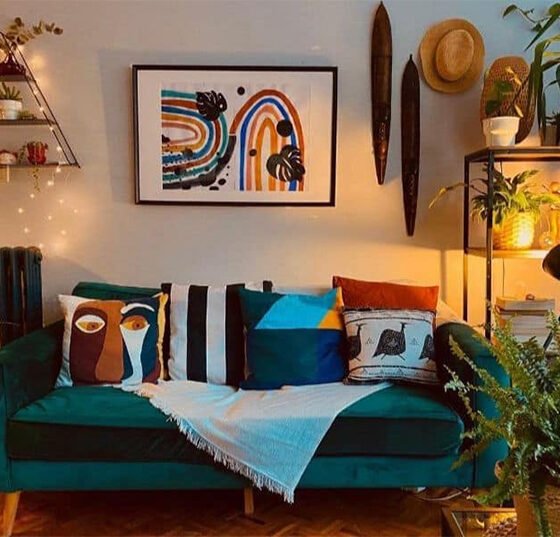
It’s annoying when your room is technically clean, but still doesn’t feel clean.
You make the bed. You put the clothes away. You clear the floor. Maybe you even wipe the side table. But when you step back, the room still feels busy.
Not dirty exactly. Just messy-looking.
The shelves feel crowded. The bedside table has too many little things. The wall decor feels a bit much. There are wires near the plug. The chair in the corner looks like it doesn’t belong. And even though everything is “in place,” the room still doesn’t feel calm.
That usually means the problem is not cleaning.
It’s the decor.
Some room decor mistakes make a space feel cluttered without you even noticing. Too many small objects, too many colors, harsh lighting, visible cables, furniture that’s too big, or no proper storage can all make a room feel more chaotic than it really is.
The good news is, you don’t need to redo the whole room.
Most of the time, you just need to remove a few things, hide the everyday clutter better, soften the lighting, and give the room a little breathing space.
Quick Answer
The most common room decor mistakes are using too many small decorations, filling every surface, mixing too many colors, leaving everyday clutter visible, ignoring cables, using harsh lighting, and choosing furniture that doesn’t fit the room. To make the space feel calmer, keep fewer pieces out, use simple storage, soften the lighting, and leave some empty space.
Why a Clean Room Can Still Look Messy
A room can be clean and still feel stressful.
That sounds strange, but it happens all the time.
The floor may be clear, but the room still has too much going on visually. Maybe there are too many things on the shelf. Maybe the colors don’t connect. Maybe every wall has something hanging on it. Maybe the dresser has perfume, skincare, candles, a tray, a plant, and random small things all sitting together.
Nothing is “dirty,” but everything is fighting for attention.
That’s what makes messy room decor tricky. It’s not always about dust, laundry, or trash. Sometimes it’s visual clutter.
A calm room needs space for your eyes to rest.
It can still have personality. It can still have color. It can still feel cozy. But if every corner is decorated and every surface is full, the room starts to feel tiring.
Too Many Small Decor Pieces
Small decor is easy to buy.
A little candle. A tiny plant. A mini vase. A cute bowl. A small frame. A tray. One more thing for the shelf.
By itself, each piece looks fine. But when too many small pieces sit together, the room can start looking cluttered.
This usually happens on bedside tables, dressers, desks, shelves, and window ledges.
A room often feels calmer with fewer pieces that have more impact.
One good lamp can look better than five tiny objects. One larger piece of art can feel cleaner than lots of small frames. One plant in a nice pot can do more than several tiny decorations scattered around.
You don’t have to throw everything away. Just don’t keep everything out at the same time.
Store some pieces. Rotate them later. Keep the things you actually like seeing every day.
Not every cute thing needs to be on display.
Filling Every Surface
Empty space is not a problem.
But it can feel like one when you’re decorating.
A table looks empty, so you add a candle. A shelf looks bare, so you add books, a vase, a frame, and a plant. The wall looks plain, so you hang something. Before long, every surface has something on it.
That’s when the room starts feeling full.
A bedside table still needs room for your phone, water, book, or glasses. A desk still needs room to work. A dresser doesn’t need decor from one end to the other.
Try clearing one surface completely.
Then add back only what feels useful or what you genuinely like. Maybe it’s just a lamp and a small tray. Maybe it’s one plant and a framed photo.
That little bit of empty space can make the whole room feel cleaner.
A room doesn’t look unfinished just because every surface isn’t decorated.
Mixing Too Many Colors
Color can make a room feel fun and personal.
But too many colors can also make it feel messy.
This doesn’t mean your room has to be beige or plain. It just means the colors should feel somewhat connected.
If the bedding is one color, the rug is another, the curtains are another, the wall art has five different colors, and the cushions don’t connect to anything, the room can feel busy even when it’s clean.
Pick two or three main colors and repeat them softly.
Cream, sage green, and soft brown. White, dusty blue, and natural wood. Beige, black, and warm gold. Soft pink, warm white, and light wood.
The colors don’t need to match perfectly. They just need to feel like they belong in the same room.
If your room already has too many colors, start small. Change cushion covers. Remove one or two clashing decor pieces. Choose calmer bedding or curtains next time.
You don’t need to start over.
Just make the room feel less random.
Leaving Everyday Clutter Out
Some things are part of daily life, but they are not decor.
Chargers. Receipts. Skincare. Medicine. Hair clips. Plastic bottles. Extra cables. Shopping bags. Old cups. Random papers.
If these things sit out all the time, the room will always look messy.
The fix is not pretending you’ll suddenly become perfectly organized. That usually doesn’t work.
The fix is giving those things a home near where you actually use them.
If chargers are always beside the bed, keep a small box or drawer there. If skincare spreads across the dresser, use a tray. If clothes land on the chair, add hooks or a laundry basket nearby. If papers pile up on the desk, use a simple folder or drawer.
Storage should be easy.
If it takes too many steps, you probably won’t use it.
A room feels cleaner when everyday things can disappear quickly.
Ignoring Wires and Cables
Cables can ruin a room faster than people think.
Phone chargers, laptop chargers, lamp cords, extension leads, gaming wires, LED strips, and TV cables can make a space feel messy even when the rest of the room is fine.
You don’t need a perfect cable system.
Just make the obvious wires less visible.
Use cable clips, cord ties, a cable box, or simple covers. Keep chargers in one spot instead of letting them spread across the floor. If you use LED strips, make sure they’re stuck neatly and not peeling off.
This matters most around desks, bedside tables, and TV areas.
A tidy cable area makes the room feel more finished.
It’s a small fix, but it changes the whole mood.
Using Harsh Lighting
Bad lighting can make a room feel messier than it is.
One bright ceiling light shows everything in the harshest way. Every crowded shelf, every small object, every shadow, every wire. The room may be clean, but the light makes it feel sharp and busy.
Warm lighting helps.
Add a bedside lamp, desk lamp, floor lamp, or small shelf lamp. Use warm bulbs instead of bright white ones.
At night, try turning off the ceiling light and using only lamps. The room will probably feel calmer right away.
Lighting doesn’t remove clutter, but it softens the room.
And sometimes that’s exactly what the space needs.
Choosing Furniture That’s Too Big
A room can feel messy when the furniture is too large.
A bulky bed frame, oversized chair, heavy dresser, wide desk, or deep shelf can make the room feel crowded even if the decor is simple.
This is one of the biggest small room decor mistakes.
If you have to squeeze around furniture, the room won’t feel calm. If drawers can’t open properly, or a chair blocks the walkway, the space starts feeling stressful.
Before buying new furniture, try moving things around.
Pull the bed slightly away from the wall. Shift the desk. Remove one chair if nobody uses it. Try a slimmer side table. Sometimes the room feels better just because it has more walking space.
If you are buying new furniture, choose pieces that fit the room, not just pieces that look nice online.
A room feels cleaner when you can move through it easily.
Leaving the Main Area Unfinished
Every room has a main area.
In a bedroom, it’s usually the bed. In a study room, it might be the desk. In a small sitting room, it might be a chair or sofa.
If that main area feels unfinished, the whole room feels off.
For a bed, you don’t need fancy bedding. Just clean sheets, a soft throw, and maybe one or two cushions. Too many pillows can make the bed look busy, but no softness at all can make it feel flat.
For a seating area, a cushion, a throw, a small side table, and a lamp can make the space feel more settled.
The main area should feel like it belongs.
Not bare. Not overloaded. Just comfortable and finished enough.
Putting Too Much on the Walls
Wall decor can make a room feel personal.
But too much wall decor can make it feel noisy.
Posters, photo grids, shelves, mirrors, tapestries, lights, and prints can all look good. The problem starts when every wall has something happening.
Choose one main wall.
Maybe the wall above the bed. Maybe the desk wall. Maybe the wall you see first when you enter.
Decorate that wall properly and let the other walls breathe.
If you love posters or photos, keep the colors somewhat connected. If every print has a different style and color, the wall can start looking messy.
Blank wall space is not boring.
It gives the room a break.
Forgetting About “In-Between” Items
Every room has things that don’t really have a proper category.
A hoodie you might wear again. A book you’re reading. A bag you use every day. A blanket you grab at night. A notebook. A charger. A pair of shoes you don’t want to put away yet.
These are the things that make a room messy fast.
You need a place for them.
A hook behind the door. A basket near the bed. A tray on the desk. A small shelf for daily things. A laundry basket that’s easy to reach.
A chair can work, but only if it doesn’t become a clothes mountain.
This kind of storage is not exciting, but it makes a real difference.
A room stays cleaner when normal daily items have somewhere to land.
Practical Tips
Clear one surface and only add back what you actually like.
Use fewer small decor pieces.
Choose two or three main colors.
Hide chargers, skincare, receipts, and cables.
Use warm lamps instead of only ceiling light.
Keep furniture from blocking walkways.
Decorate one main wall instead of every wall.
Use baskets, drawers, hooks, and trays for everyday clutter.
Make the bed or main seating area feel simple and finished.
Leave some empty space.
Common Mistakes to Avoid
One mistake is buying more decor when the room already feels busy. More items can make the problem worse.
Another mistake is keeping everything visible. Everyday items need homes, even if you use them often.
Don’t fill every shelf just because there’s space. A half-empty shelf can look better than a packed one.
Don’t use harsh lighting if the room already feels crowded.
Also, don’t copy every trend at once. A room full of trends can feel less personal and more cluttered.
Who This Is Best For
This is best for anyone whose room feels messy even after cleaning.
It’s also helpful for small bedrooms, dorm rooms, rental rooms, teen rooms, guest rooms, and anyone trying to make a space feel calmer without doing a full makeover.
You may not need new furniture or expensive decor.
You may just need to remove a few things, hide clutter better, soften the lighting, and give the room some empty space.
FAQs
Why does my room look messy even when it’s clean?
Your room may have too much visual clutter. Too many small decor pieces, busy colors, visible cables, crowded shelves, harsh lighting, or no storage for daily items can make a clean room still feel messy.
What decor makes a room look cluttered?
Too many tiny decorations, crowded shelves, busy wall art, visible wires, mismatched colors, and overfilled surfaces can make a room look cluttered.
How do I make my room look less messy?
Clear surfaces, hide everyday clutter, use fewer decor pieces, organize wires, soften the lighting, and leave some empty space.
Should I remove decor from my room?
You don’t need to remove everything. Keep the pieces you really like and store or rotate the rest. A few good decor pieces usually look better than many small random ones.
How can I decorate a small room without making it messy?
Use simple colors, hidden storage, warm lighting, fewer decor pieces, and furniture that fits. Keep the floor and main surfaces as clear as possible.
Final Thoughts
Room decor mistakes are easy to make because they happen slowly.
One candle becomes five. One shelf fills up. One poster turns into a busy wall. One chair becomes a storage spot. One charger becomes a cable mess.
It happens.
The fix is usually not buying more.
It’s editing.
Remove what doesn’t help. Hide what doesn’t need to be seen. Keep the colors connected. Use softer lighting. Give the room some empty space.
A room doesn’t have to be perfect to feel good.
It just needs to feel calmer, easier to use, and less crowded when you walk in.