Best Guava Family Products Worth Buying — Is the Lotus Travel Cot Actually Worth It?
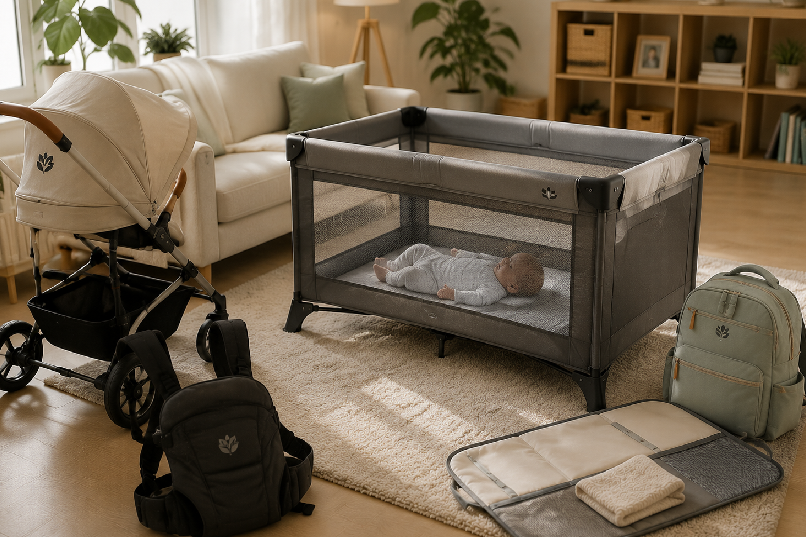
The Guava Lotus travel cot is the product that every traveling parent with a young child eventually hears about, usually from another traveling parent who describes it as the travel purchase they most wish they'd made sooner. The enthusiasm is consistent enough to be worth taking seriously. The price — approximately $350–$399 — is significant enough to require the question of whether the enthusiasm is justified.
I've used the Lotus across approximately fifteen trips over eighteen months — hotels, holiday rentals, family homes, one particularly challenging apartment with no lift — and I have a clear answer to whether it's worth it. For families who travel regularly with children under three, yes. Unambiguously. For families who travel once or twice a year with children in this age range, the economics are less clear and the honest answer is more contingent.
Products
Guava Family Lotus Travel Cot
 Buy Now
The two features that distinguish the Lotus from every other travel cot in a way that matters daily:
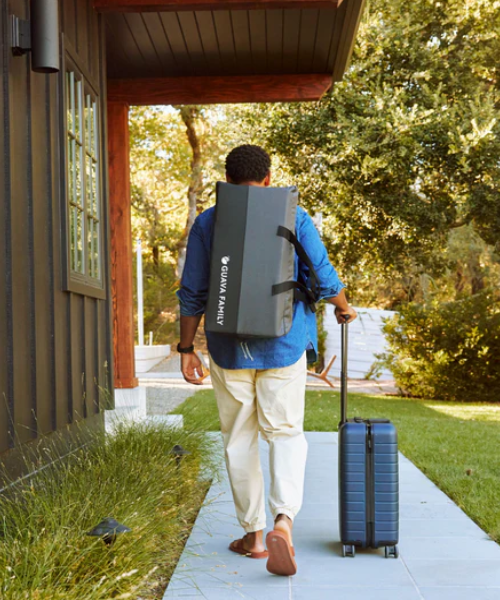
The format. The Lotus packs into a backpack-style carry bag rather than a wheeled roller case. This is the single difference that changes travel with a young child most significantly. Rolling a travel cot through an airport while managing a pushchair, a carry-on, and a child is a specific logistical challenge that parents who've done it remember clearly. Carrying the Lotus as a backpack while managing the rest is a different experience — genuinely different, not marginally better.
The setup time. The Lotus opens in approximately sixty seconds through a one-hand push mechanism. The base opens and the legs lock automatically. One person, sixty seconds, complete. The specific alternative — twenty minutes on the floor of a hotel room with a tired infant watching proceedings with increasing frustration — is the comparison every Lotus owner makes.
- Available at: Guava Family (guavafamily.com)
- Best for: Families who travel regularly (more than three or four times per year) with children under three — the specific tool that changes the travel experience proportionate to its cost
Guava Lotus Bassinet
 Buy Now
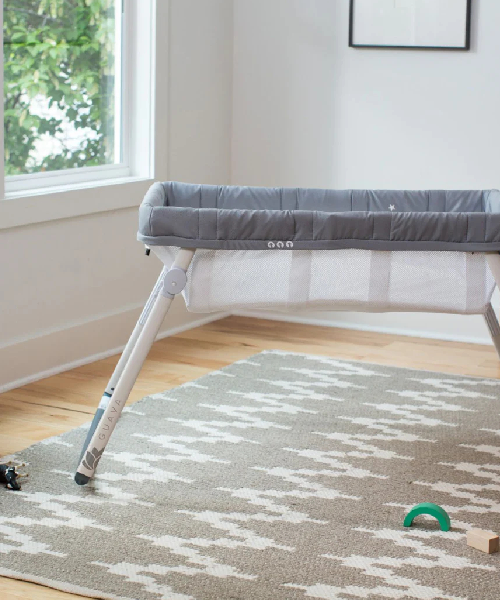
The Guava Lotus Bassinet is the newborn-specific version — appropriate from birth through the earlier stages of infancy, with the JPMA certification for safe infant sleep in the bassinet position. For families who want a single travel sleep solution from birth through toddlerhood, understanding which product covers which developmental stage helps sequence the purchases correctly.
- Available at: Guava Family (guavafamily.com)
- Best for: Newborn and early infant travel — the Lotus in the bassinet configuration for families who start traveling with very young infants
Guava Everywhere Chair
 Buy Now
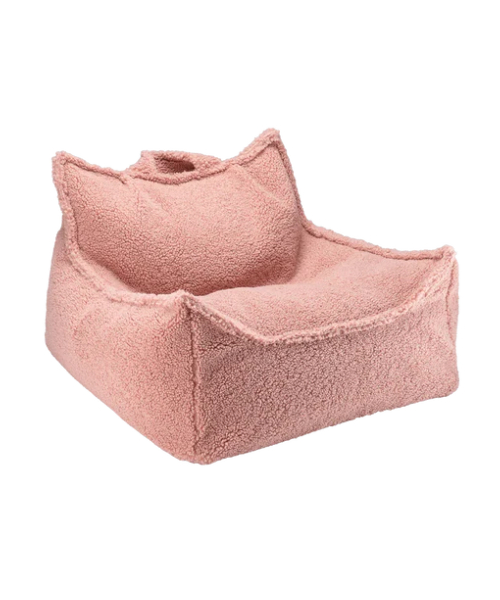
Guava has extended their portable design philosophy to a portable high chair — the Everywhere Chair that attaches to most restaurant chairs and provides the high chair function without requiring the restaurant to have an appropriate one available. The specific use case: international travel where restaurant high chairs are inconsistently available, travel to family homes where a high chair isn't present, and any situation where portable seating that provides appropriate support for a child who's eating at table level is needed.
- Available at: Guava Family (guavafamily.com)
- Best for: Families whose travel involves restaurants and situations where high chair availability is inconsistent — the portable seating solution for the eating-out dimension of family travel
Guava Carry Bag and Accessories
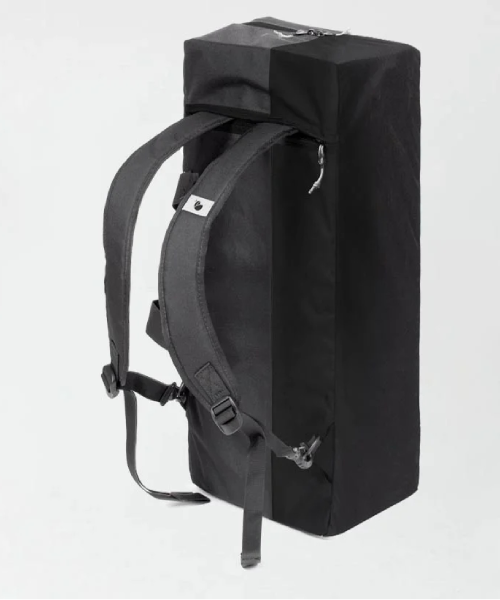 Buy Now
Guava produces the accessories specific to the Lotus — the carry bag in a colour range, the fitted sheet set in appropriate dimensions, and the rain cover for outdoor use. The fitted sheets in Lotus-specific dimensions are worth buying at purchase — standard cot sheets don't fit the Lotus correctly and a well-fitted sheet is the detail that makes the sleep environment work properly for the child in unfamiliar accommodation.
- Available at: Guava Family (guavafamily.com)
- Best for: Completing the Lotus setup — the accessories that make the travel cot fully functional rather than technically present
The Travel Cot Market — Where Lotus Sits
The travel cot market has three distinct categories that serve different households:
Standard travel cots (BabyBjörn, Chicco, Graco range): £100–£200, roller case format, fifteen to thirty minutes to set up. Adequate for occasional travel where the setup time and transport format are manageable. The right choice for families who travel once or twice a year and for whom the Lotus price doesn't make sense relative to the use frequency.
Mid-range portable options: the BabyBjörn Travel Cot Light at £299 is the most commonly cited alternative to the Lotus — lighter than the standard roller cots, with a twenty-second setup, and a reputation for quality that's genuine. The honest comparison: the BabyBjörn is excellent and the price difference from the Lotus is approximately £50–£70 for comparable features. The Lotus's backpack format is the specific advantage that the BabyBjörn's roller case doesn't match.
The Lotus: £299–£359, backpack format, sixty-second setup. The choice for regular travelers who want the easiest possible travel cot logistics across the full range of travel contexts.
The Limitations the Lotus Doesn't Mention
The Lotus has a maximum weight limit of approximately 13kg (29lbs), which corresponds to approximately age three for an average child. This makes it appropriate for the full range of travel cot use in most families — the vast majority of travel cot use is children under three. For families with larger or older children at the edge of this range, checking the current size guidelines before purchase is worth doing.
The sleep surface firmness is appropriate for safe infant sleep — travel cots are required to be firm for SIDS prevention guidelines — but is thinner than a standard cot mattress. Children who have strong sleep surface preferences sometimes take two or three nights to adjust to the Lotus's surface in the same way they'd adjust to any hotel cot. This is travel cot universal rather than Lotus-specific but worth knowing.
Conclusion
The Guava Lotus is worth the premium for families who travel regularly with children under three — the backpack format and sixty-second setup represent genuine quality of life improvements that compound across every trip the cot accompanies. The Everywhere Chair extends the Guava design philosophy to the restaurant eating problem in a way that makes international dining with young children less logistically complicated. And the Bassinet configuration makes the Lotus appropriate from birth rather than only from the point when a full cot is needed. For occasional travelers, the BabyBjörn Light is the quality alternative at slightly lower cost. For regular travelers, the Lotus's format advantage justifies the full price — and the parent who's assembled the Lotus in sixty seconds while the child watches will never want to use another travel cot.
Every product here was chosen by an editor from the public record — verified buyer reviews, independent testing and the brand’s own documentation — before any commercial conversation happened. If you buy through a link on this page we may earn a commission, at no cost to you, and it never decides what we recommend. Read the full policy.
Editorial Team
Every recommendation on Decor Imperial is researched by our editors from the public record — verified buyer reviews, independent testing, owner communities and the brand’s own documentation — before it appears here. We earn a commission when you buy through our links; no brand sees a review before it is published, and none has ever changed one.
Keep Reading
All stories Lifestyle
NordicTrack Review: iFIT Changes Everything, the Support Record Does Not
iFIT is the reason people who never stuck at running stick at it. Then there is the company behind the machine — a Better Business Bureau rating of 1.3 stars.
Lifestyle
Lifestyle
NordicTrack Review: iFIT Changes Everything, the Support Record Does Not
iFIT is the reason people who never stuck at running stick at it. Then there is the company behind the machine — a Better Business Bureau rating of 1.3 stars.
 Lifestyle
Minted Review: The Crowdsourced Design Platform With Genuine Artist Quality — And a Customer Service Decline Worth Knowing
Sixteen thousand independent artists and a community vote before anything gets printed — a genuine filter, not a marketplace. Proof your order: one batch arrived carrying another family's photographs.
Lifestyle
Lifestyle
Minted Review: The Crowdsourced Design Platform With Genuine Artist Quality — And a Customer Service Decline Worth Knowing
Sixteen thousand independent artists and a community vote before anything gets printed — a genuine filter, not a marketplace. Proof your order: one batch arrived carrying another family's photographs.
 Lifestyle
Hill House Home Honest Review — Is the Aesthetic Worth the Price?
The percale sheets are the Hill House Home product I'd recommend most confidently.
Lifestyle
Lifestyle
Hill House Home Honest Review — Is the Aesthetic Worth the Price?
The percale sheets are the Hill House Home product I'd recommend most confidently.