Best Barefoot Shoes Worth Buying — Whether Minimal Footwear Is Actually Worth It
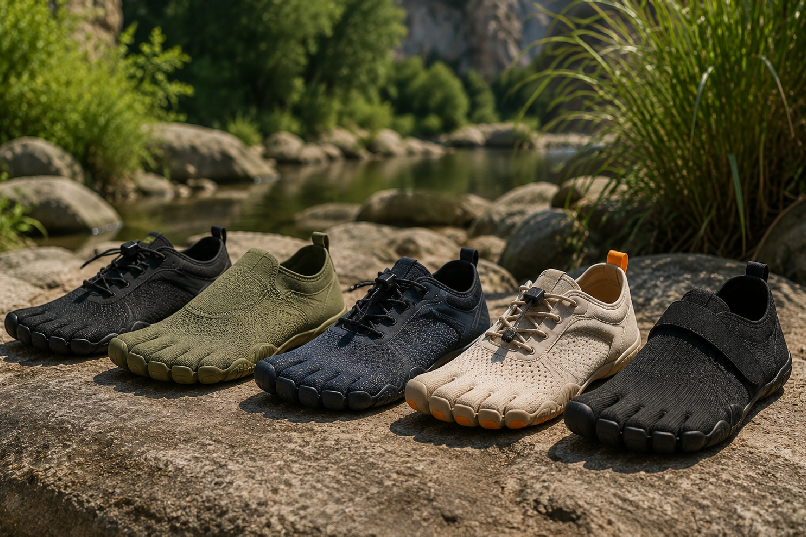
Barefoot shoes occupy the specific territory between what conventional footwear does and what the human foot was designed to do. The case for barefoot or minimal footwear is anatomical: the human foot has evolved over millions of years as a load-bearing, proprioceptive structure with twenty-six bones, thirty-three joints, and over a hundred muscles and tendons designed to respond to terrain. Standard modern footwear — elevated heel, cushioned sole, narrow toe box — alters the foot's natural position, reduces the proprioceptive feedback that the foot uses for balance and gait mechanics, and over time contributes to the specific foot problems that are remarkably common in shoe-wearing populations and remarkably rare in barefoot populations.
This is the case for barefoot shoes. The case against, or rather the honest qualification: the transition from conventional footwear to minimal footwear needs to be gradual, and people with specific foot conditions that benefit from the support that conventional footwear provides may not benefit from the transition regardless of pace.
Products
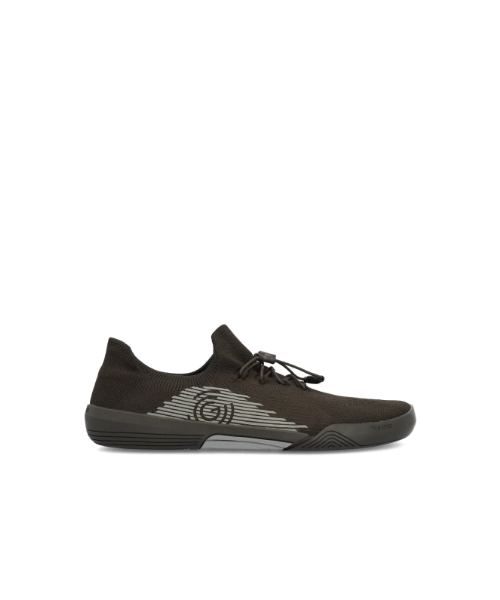
Groundies Pure Barefoot Shoe
 Buy Now
Groundies is the German barefoot shoe brand that has solved the specific problem that most barefoot shoe brands haven't adequately addressed: making a genuinely minimal shoe that looks like a shoe rather than like a product purchased at a health food store. The Pure model is the everyday sneaker in Groundies' range — a clean, contemporary design in natural leather with the zero-drop sole (no height difference between heel and forefoot), wide toe box, and thin flexible sole that constitute the defining features of a genuine barefoot shoe. The design is good enough to wear in professional and social contexts where most barefoot shoes announce themselves too obviously as a health choice.
- Available at: Groundies (groundies.com)
- Best for: Those beginning the barefoot shoe transition who want a shoe that works in daily life contexts — the barefoot shoe that doesn't look like one to casual observers
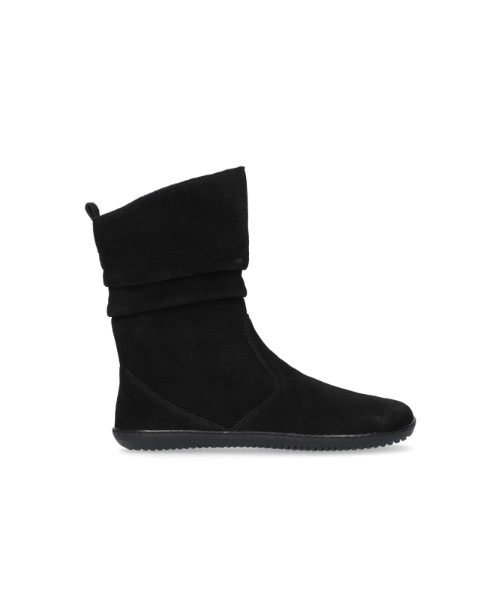
Groundies Avenue Boot
 Buy Now
The Groundies Avenue Boot applies the barefoot shoe principles to a boot format — the full ankle support and winter weather appropriate construction of a boot with the zero-drop sole, wide toe box, and flexible construction of a barefoot shoe. For those who want to transition to barefoot footwear without compromising on weather appropriate footwear for cold and wet climates, the Avenue Boot provides the year-round capability that many barefoot shoe ranges don't offer.
- Available at: Groundies (groundies.com)
- Best for: Year-round barefoot shoe use in climates that require boot-appropriate footwear — the winter weather option for committed barefoot shoe wearers
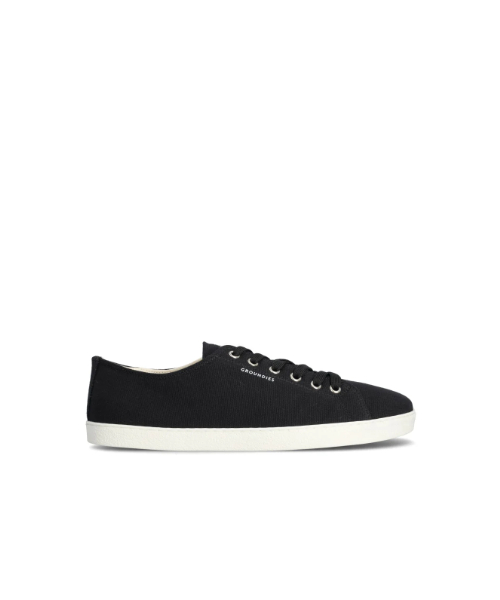
Groundies Vibe Low
 Buy Now
The Vibe Low is the casual low-top model in the Groundies range — a canvas and leather hybrid that's lighter and more casual than the Pure, appropriate for warmer weather and genuinely casual contexts. The construction is lighter than the Pure which makes it the summer or casual alternative when the Pure is used for more structured daily life contexts. Having both covers the full season and context range.
- Available at: Groundies (groundies.com)
- Best for: Warm weather casual use alongside the Pure for more structured contexts — the lighter weight barefoot shoe for summer and genuinely casual situations
The Transition — Why It Matters and How to Do It
The most consistent mistake that new barefoot shoe users make is transitioning too quickly. The foot musculature that barefoot shoes engage — the intrinsic foot muscles that conventional footwear's support system has been doing the work of — atrophies with disuse. Asking these muscles to immediately work at the full load that barefoot shoes require produces the specific overuse injuries (plantar fasciitis, metatarsal stress, calf and Achilles tendon strain) that give barefoot shoe transitions a reputation for causing injury.
The transition that avoids these injuries: start with one to two hours per day in the barefoot shoes for the first two weeks, gradually increasing duration over four to eight weeks while the intrinsic foot muscles strengthen. The feet will feel fatigued in ways that conventional shoe wear doesn't produce — this is genuine muscle work rather than injury, and it resolves as strength builds.
The foot stretching and strengthening exercises that support the transition: toe spreading (active spreading of the toes to their full anatomical position, which most people can't do initially after years in narrow toe boxes), single-leg calf raises on varied surfaces, and the specific intrinsic foot strengthening exercises available through most barefoot shoe brands' educational content.
What Barefoot Shoes Don't Fix
The honest limitation of barefoot shoes: they provide the conditions for the foot to function as it's designed to, but they don't fix pre-existing structural issues that require specific treatment. Significant flat feet, Morton's neuroma, plantar fasciitis that's already established, and other specific foot conditions may not respond well to barefoot shoe use without concurrent treatment of the underlying condition.
For those with significant foot conditions, the consultation with a podiatrist before transitioning to barefoot shoes is worth making — not because barefoot shoes are likely to cause harm but because understanding what the specific foot condition requires before the transition prevents the specific experience of attributing worsening symptoms to the barefoot shoe when the underlying condition is the actual cause.
The Aesthetic Achievement
The reason Groundies specifically earns the barefoot shoe recommendation over many technically equivalent alternatives is the design quality. Most barefoot shoes look like barefoot shoes — the visual signals of health footwear (thick rubber soles, wide toe box silhouette, specific materials) are obvious enough that the shoes announce themselves as a health choice before the wearer has said a word.
Groundies produces shoes that look like considered footwear choices. The leather quality, the clean silhouette, and the proportional calibration of the wide toe box within a shoe that still reads as a shoe rather than a health product — these are the design achievements that make Groundies wearable in contexts where most barefoot shoes aren't.
Conclusion
Barefoot shoes are worth the transition for those whose foot health and biomechanical function is a priority — the anatomical case is genuine, the research on foot musculature activation is consistent, and the anecdotal evidence from long-term barefoot shoe wearers about reduced foot pain and improved proprioception is too consistent to dismiss. Groundies earns the recommendation specifically because the design quality makes the health choice compatible with the daily life contexts most people need their footwear to work in. The transition requires patience and gradual progression. The result, for those who complete it, is footwear that produces the specific foot health benefit it claims while looking like something you'd wear regardless of whether you knew about barefoot shoes.
Every product here was chosen by an editor from the public record — verified buyer reviews, independent testing and the brand’s own documentation — before any commercial conversation happened. If you buy through a link on this page we may earn a commission, at no cost to you, and it never decides what we recommend. Read the full policy.
Editorial Team
Every recommendation on Decor Imperial is researched by our editors from the public record — verified buyer reviews, independent testing, owner communities and the brand’s own documentation — before it appears here. We earn a commission when you buy through our links; no brand sees a review before it is published, and none has ever changed one.
Keep Reading
All stories Lifestyle
NordicTrack Review: iFIT Changes Everything, the Support Record Does Not
iFIT is the reason people who never stuck at running stick at it. Then there is the company behind the machine — a Better Business Bureau rating of 1.3 stars.
Lifestyle
Lifestyle
NordicTrack Review: iFIT Changes Everything, the Support Record Does Not
iFIT is the reason people who never stuck at running stick at it. Then there is the company behind the machine — a Better Business Bureau rating of 1.3 stars.
 Lifestyle
Minted Review: The Crowdsourced Design Platform With Genuine Artist Quality — And a Customer Service Decline Worth Knowing
Sixteen thousand independent artists and a community vote before anything gets printed — a genuine filter, not a marketplace. Proof your order: one batch arrived carrying another family's photographs.
Lifestyle
Lifestyle
Minted Review: The Crowdsourced Design Platform With Genuine Artist Quality — And a Customer Service Decline Worth Knowing
Sixteen thousand independent artists and a community vote before anything gets printed — a genuine filter, not a marketplace. Proof your order: one batch arrived carrying another family's photographs.
 Lifestyle
Hill House Home Honest Review — Is the Aesthetic Worth the Price?
The percale sheets are the Hill House Home product I'd recommend most confidently.
Lifestyle
Lifestyle
Hill House Home Honest Review — Is the Aesthetic Worth the Price?
The percale sheets are the Hill House Home product I'd recommend most confidently.