Yoto Player Honest Review — Is It Actually Worth Buying?
Products
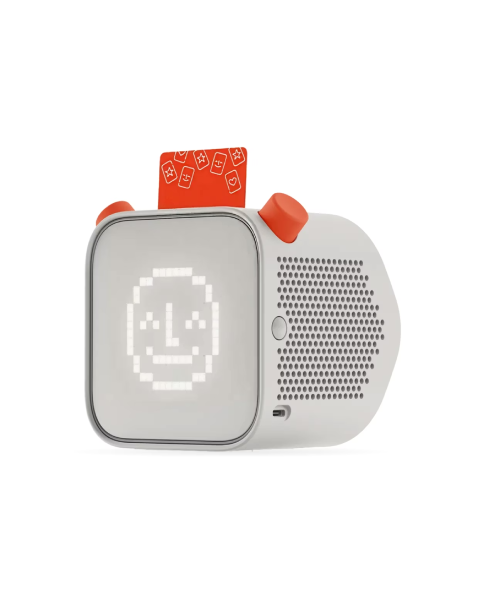
Yoto Player 3rd Generation — Full Assessment
 Buy Now
The third-generation player improved on the second in three specific ways that daily use makes apparent: the audio quality is genuinely better for the listening experience, the pixel display on the front now visualises content for certain cards in a way that adds to the engagement without adding a screen in the traditional sense, and the Bluetooth for the Yoto headphones (essential for travel) is more reliable. The design is unchanged — large side dials, intuitive card slot, symbol buttons — and the design is still right. The durability after two years includes one significant drop (approximately a metre to hardwood floor), one water incident from a knocked-over cup, and the general treatment that children's bedroom life produces. It functions correctly.
- Available at: Yoto (yotoplay.com), John Lewis, Amazon
- Best for: Children aged 2–12 who will use it independently — the device that earns its price through daily use across multiple years rather than weeks
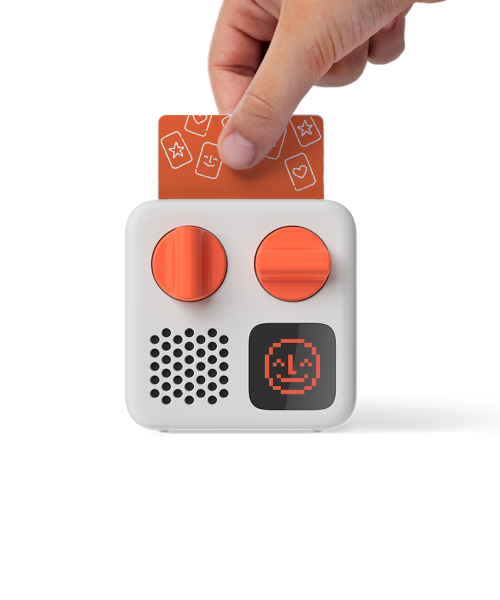
Yoto Mini — For Travel
 Buy Now
The Mini is the purchase worth making alongside the main player for families who travel. The specific case: we travel with the Mini rather than the main player because the main player's role in the bedroom routine at home makes it irreplaceable in the daily life sense — if it was damaged or lost in travel, the disruption would be significant. The Mini provides the same experience in transit without that risk. The eight-hour battery handles a full travel day and several evenings of hotel-room listening.
- Available at: Yoto (yotoplay.com), John Lewis, Amazon
- Best for: The travel companion — the purchase for families where the main player is established as a bedroom essential that shouldn't travel
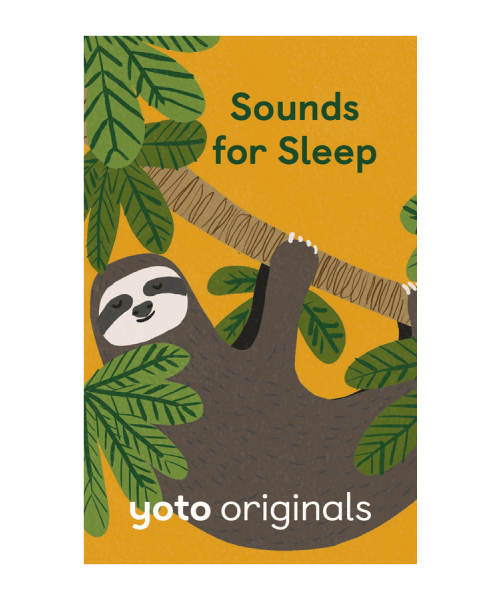
Yoto Sleep Sounds Card
 Buy Now
The most impactful single card purchase for most families. White noise for sleep onset, rain sounds for the child who prefers natural sound, gentle music options — all controllable by the child independently from the moment they wake up. The specific change this produced in our house: the early morning arrival in the parental bedroom became the early morning independent Yoto session in the child's room. This is either a parenting win or a child independence win depending on how you frame it, but in both framings it's positive.
- Available at: Yoto (yotoplay.com), Amazon
- Best for: The first card purchase that produces the most immediate change in daily family life — the sleep content that creates morning independence
Yoto Card Collection Building
 Buy Now
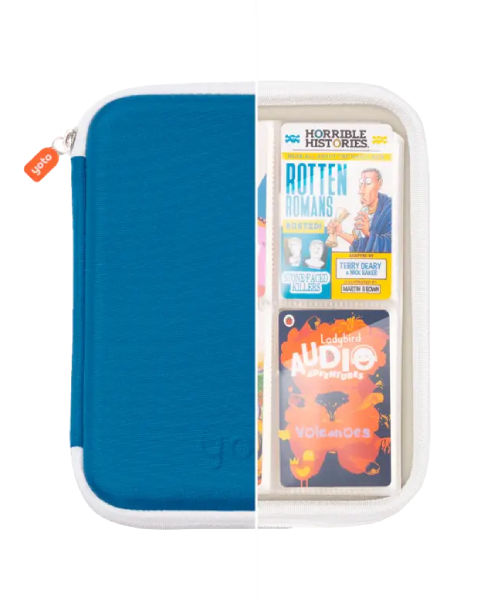
The specific approach to building a Yoto card collection that produces the most lasting value: choose content the child will re-listen to rather than content they'll exhaust quickly. Audiobooks of stories that get better with re-reading — Roald Dahl, Julia Donaldson, Michael Morpurgo — produce the re-listening that makes the card investment worthwhile over time. One-time novelty content produces one-time value. Content the child loves enough to listen to ten times produces ten times the value.
- Available at: Yoto (yotoplay.com), Amazon
- Best for: The card collection strategy — understanding which content produces ongoing value versus one-time novelty
Two Years of Daily Use — What I Know Now That I Didn't at Purchase
The physical cards are more important than they seemed at purchase. The relationship between the child and the physical card collection — selecting, discussing, organising, giving as gifts — is a dimension of the Yoto that I didn't anticipate and that produces ongoing engagement beyond the listening itself. A child who has chosen a new card receives it with specific enthusiasm because the card is a real object, not a digital addition to an invisible library.
The sleep sounds card is as important as described everywhere. The morning independence it produces is genuinely significant for household functioning and for the child's sense of autonomy. If only one card is purchased alongside the player, this is the one.
The Yoto Plus subscription is worth it for high-volume content households and unnecessary for households that add a card every month or two. The rotating library adds breadth; the physical collection adds depth. Both have their place in different household content consumption patterns.
The durability is real. Two years of child bedroom use, several falls, one water incident, and the player still functions correctly. This matters because the alternative — a device that requires replacement within eighteen months — changes the economics significantly.
What Yoto Doesn't Do
The honest limitations that the marketing doesn't address:
Yoto doesn't produce the visual engagement that screens provide. For children who specifically want visual content — who want to watch something — Yoto is a different kind of engagement rather than a direct substitute. Families who hope Yoto will eliminate the desire for screen content will find it provides an alternative that children genuinely enjoy rather than a complete replacement.
The card catalogue costs add up over time. Each card is £8–£15 and the library grows with requests. This is not a complaint — it's a feature of the physical card system that produces genuine value — but it's a cost to anticipate rather than discover.
The player requires charging, and a low-battery Yoto at bedtime has produced the specific bedtime anxiety of a depleted device in our house twice in two years. The cable is proprietary (USB-C now in the third generation) and keeping it accessible solves this.
The Verdict
The Yoto Player is worth buying for families with children in the target age range who will use it. The genuine endorsement comes from two years of daily use rather than two weeks of novelty — the device that's still producing genuine engagement, genuine independence, and genuine value for the household after that period has earned its price. The Mini is the travel companion worth purchasing alongside the main player. The sleep sounds card is the first purchase. And the card collection philosophy — re-listenable stories rather than one-time novelty — is what makes the ongoing investment worthwhile. The specific quality that distinguishes Yoto from alternatives is the child's independence in operating it: the two-year-old who can select their own listening content without adult involvement is doing something developmentally valuable while the parent sleeps past 6am.
Every product here was chosen by an editor from the public record — verified buyer reviews, independent testing and the brand’s own documentation — before any commercial conversation happened. If you buy through a link on this page we may earn a commission, at no cost to you, and it never decides what we recommend. Read the full policy.
Editorial Team
Every recommendation on Decor Imperial is researched by our editors from the public record — verified buyer reviews, independent testing, owner communities and the brand’s own documentation — before it appears here. We earn a commission when you buy through our links; no brand sees a review before it is published, and none has ever changed one.
Keep Reading
All stories Lifestyle
NordicTrack Review: iFIT Changes Everything, the Support Record Does Not
iFIT is the reason people who never stuck at running stick at it. Then there is the company behind the machine — a Better Business Bureau rating of 1.3 stars.
Lifestyle
Lifestyle
NordicTrack Review: iFIT Changes Everything, the Support Record Does Not
iFIT is the reason people who never stuck at running stick at it. Then there is the company behind the machine — a Better Business Bureau rating of 1.3 stars.
 Lifestyle
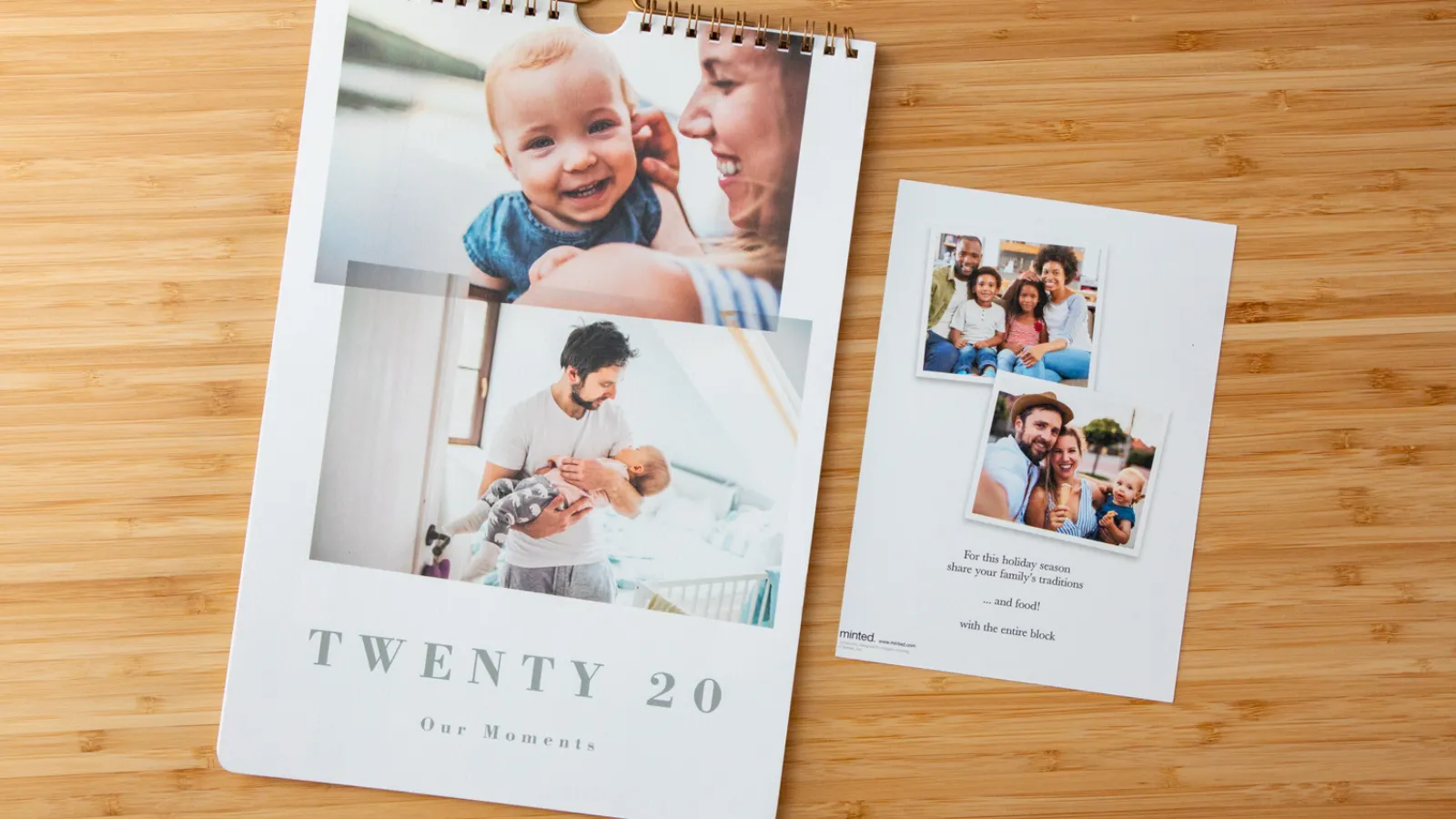
Minted Review: The Crowdsourced Design Platform With Genuine Artist Quality — And a Customer Service Decline Worth Knowing
Sixteen thousand independent artists and a community vote before anything gets printed — a genuine filter, not a marketplace. Proof your order: one batch arrived carrying another family's photographs.
Lifestyle
Lifestyle
Minted Review: The Crowdsourced Design Platform With Genuine Artist Quality — And a Customer Service Decline Worth Knowing
Sixteen thousand independent artists and a community vote before anything gets printed — a genuine filter, not a marketplace. Proof your order: one batch arrived carrying another family's photographs.
 Lifestyle
Hill House Home Honest Review — Is the Aesthetic Worth the Price?
The percale sheets are the Hill House Home product I'd recommend most confidently.
Lifestyle
Lifestyle
Hill House Home Honest Review — Is the Aesthetic Worth the Price?
The percale sheets are the Hill House Home product I'd recommend most confidently.