Best Smart Home Products Worth Buying — Technology That Actually Makes Life Better
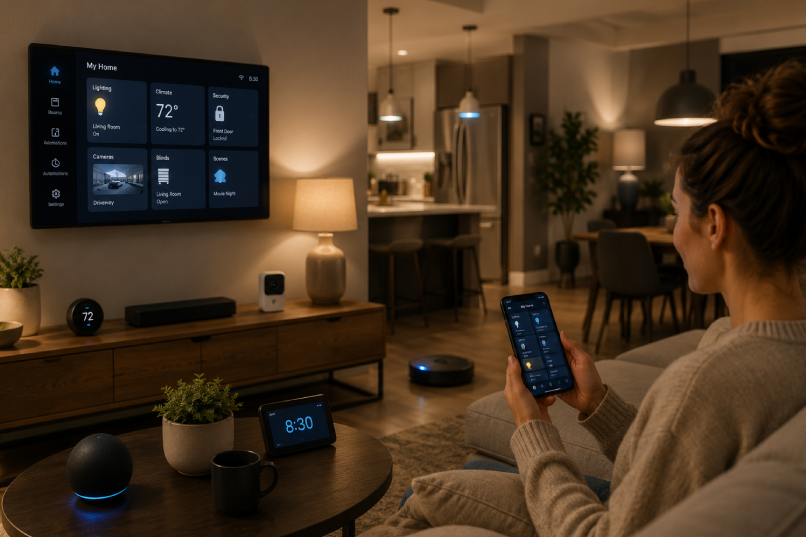
Smart home technology falls into two categories. The first is technology that genuinely changes the daily experience of being at home — that automates something that previously required effort, that provides information that improves decisions, or that creates an environment that's better calibrated to human needs. The second is technology that sounds useful in a product description and turns out to require more attention to maintain than it would have taken to simply do the thing manually.
The distinction is important because the smart home category is enormous and the marketing quality is consistently better than the product quality for a significant proportion of what it contains. Voice-activated devices that require specific phrasing to work reliably. Connected systems that depend on a single platform working correctly. Automation that saves thirty seconds and requires thirty minutes of troubleshooting when it breaks.
The products below are in the first category — the ones that provide genuine daily benefit with a friction level appropriate to that benefit.
Products
Pooky Smart Lighting Compatible Bulbs
 Buy Now
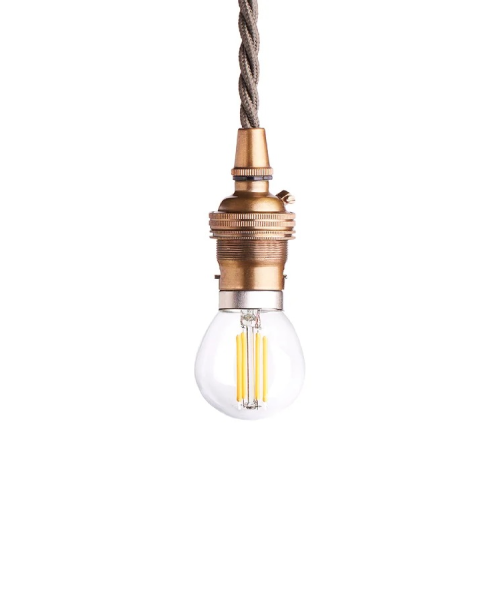
Pooky recommends and stocks specific smart bulbs compatible with their lamp range — the dimmable, color-temperature-adjustable LED bulbs that work with major smart home platforms to allow scheduled lighting that changes from cool daylight temperature during the day to warm amber in the evening without manual adjustment. The combination of Pooky's design quality in the lamp itself and smart bulb functionality in the fitting produces both the aesthetic quality of a well-designed lamp and the practical quality of lighting that responds to time of day automatically.
- Price: From £8 for compatible bulbs
- Available at: Pooky (pooky.com) for recommendations; smart bulbs from major retailers
- Best for: Those who want the aesthetic quality of Pooky lamps with the practical benefit of lighting that adjusts automatically throughout the day
Eight Sleep Pod Cover
 Buy Now
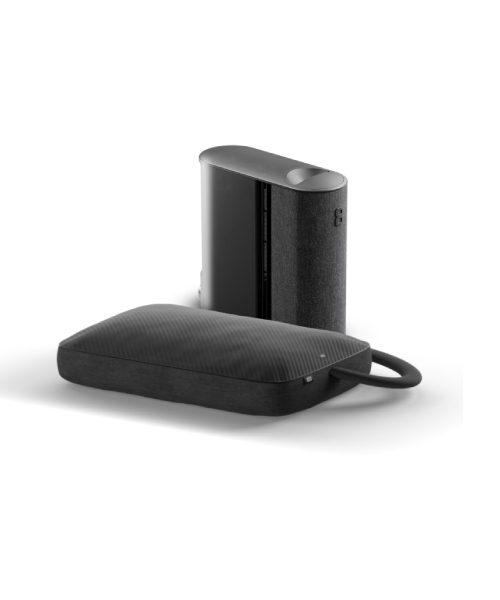
Eight Sleep produces the sleep technology product that most directly improves sleep quality through automation — the mattress cover that actively heats and cools each side of the bed to the specific temperature that produces optimal sleep for each person. The Pod Cover connects to an app that uses sleep data to automatically adjust temperature through the night rather than maintaining a fixed temperature that may be right at 10pm and wrong at 3am. For those who struggle with sleep temperature regulation and whose partner has different temperature preferences, the Eight Sleep Pod is the specific technology that addresses both problems simultaneously.
- Price: From $1,995 for the Pod 4 Cover
- Available at: Eight Sleep (eightsleep.com)
- Best for: Those who struggle with sleep temperature regulation, particularly couples with different temperature preferences — the sleep technology that actively manages rather than passively responds
Hume Health Smart Scale
 Buy Now
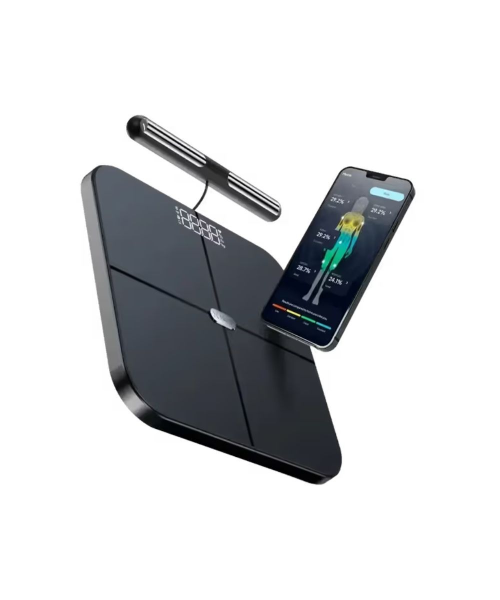
Hume Health produces the smart health monitoring devices that provide meaningful data rather than just adding connectivity to basic functions. The smart scale tracks not just weight but body composition metrics over time, integrating with the app to show trends rather than individual measurements — which is the data that's actually useful for health management rather than the daily weight number that most people use incorrectly.
- Price: £199
- Available at: Hume Health (humehealth.com)
- Best for: Those who want body composition tracking alongside weight — the scale that provides health trend data rather than daily weight measurements
What Smart Home Technology Is Actually Worth
The evaluation framework worth applying to any smart home purchase: what specifically will this do automatically that I'm currently doing manually, how frequently does that manual task occur, and is the reduction in effort proportionate to the cost and the maintenance overhead the technology introduces?
Applied consistently, this framework eliminates most smart home purchases that don't produce genuine value — the smart speaker that's mostly redundant with a phone, the connected appliance that requires an app to perform a function the appliance performed well without one, the automation that saves seconds and requires periodic troubleshooting when it fails.
The purchases that pass the test consistently: sleep temperature management that adjusts automatically through the night without manual intervention (Eight Sleep). Lighting that transitions from daytime to evening temperature without requiring the switch (smart bulbs with scheduling). Health monitoring that provides trend data rather than isolated measurements (Hume Health). Coffee production that starts at the scheduled time without requiring someone to be in the kitchen (DeLonghi app integration).
The Platform Question
Smart home technology works best when it operates within a single platform ecosystem — Apple HomeKit, Google Home, or Amazon Alexa. Cross-platform integration is possible but introduces additional complexity and additional failure points. The smart home investment that adds products across multiple platforms without a bridging hub often produces a smart home that's smart in theory and unreliable in practice.
The most practical approach: choose the platform that the household's primary devices already use (iPhone users typically Apple HomeKit, Android users typically Google Home), and buy smart home products that are explicitly compatible with that platform rather than assuming compatibility from "works with voice assistants" claims that may mean something more limited than the phrase implies.
Conclusion
Smart home products worth buying are those where the automation produces genuine daily benefit rather than the performance of technological sophistication. Pooky's smart bulb integration provides the lighting automation that changes how rooms feel throughout the day without manual adjustment. Eight Sleep's Pod Cover is the sleep technology that most consistently improves measurable sleep quality through temperature management. Hume Health's scale provides health trend data in a format that's actually actionable. And DeLonghi's app-integrated coffee production automates the morning timing that matters. The smart home that works well is not the most connected home — it's the home where each connected element is solving a real problem.
Every product here was chosen by an editor from the public record — verified buyer reviews, independent testing and the brand’s own documentation — before any commercial conversation happened. If you buy through a link on this page we may earn a commission, at no cost to you, and it never decides what we recommend. Read the full policy.
Editorial Team
Every recommendation on Decor Imperial is researched by our editors from the public record — verified buyer reviews, independent testing, owner communities and the brand’s own documentation — before it appears here. We earn a commission when you buy through our links; no brand sees a review before it is published, and none has ever changed one.
Keep Reading
All stories Home & Decors
McGee & Co Review: A Catalogue That Coheres, and Furniture That Does Not Arrive
The Studio McGee catalogue is built so that everything in it sits together, and on décor and textiles the buyers agree. Large furniture is the problem: a $6,000 bed unshipped at six months.
Home & Decors
Home & Decors
McGee & Co Review: A Catalogue That Coheres, and Furniture That Does Not Arrive
The Studio McGee catalogue is built so that everything in it sits together, and on décor and textiles the buyers agree. Large furniture is the problem: a $6,000 bed unshipped at six months.
 Home & Decors
Boutique Rugs Review: Exactly as Pictured, Until You Need to Return One
Buyers keep saying the rug looked exactly like the photograph, which is not the norm in this category. Returns are where it falls down — one damaged rug took three months to refund in part.
Home & Decors
Home & Decors
Boutique Rugs Review: Exactly as Pictured, Until You Need to Return One
Buyers keep saying the rug looked exactly like the photograph, which is not the norm in this category. Returns are where it falls down — one damaged rug took three months to refund in part.
 Home & Decors
Parachute Home Review: The Luxury Bedding Brand That Polarises on Durability
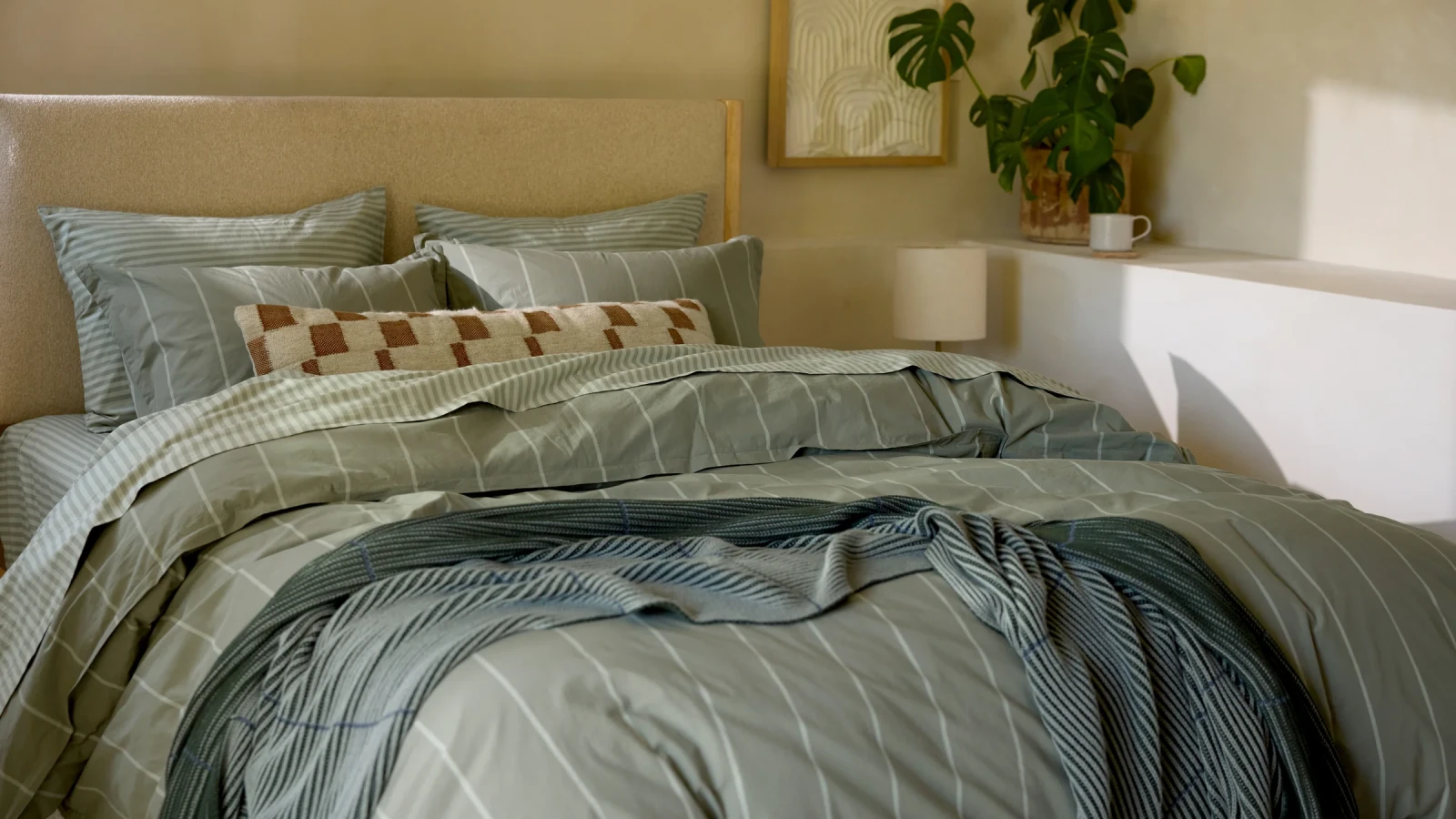
Brushed cotton buyers talk about these as the best sheets they have owned. Linen is the risk: one $476 set developed holes at two and a half years and customer service declined to help.
Home & Decors
Home & Decors
Parachute Home Review: The Luxury Bedding Brand That Polarises on Durability
Brushed cotton buyers talk about these as the best sheets they have owned. Linen is the risk: one $476 set developed holes at two and a half years and customer service declined to help.