Best Sleep Health Apps Worth Using — When Data Actually Helps You Sleep Better
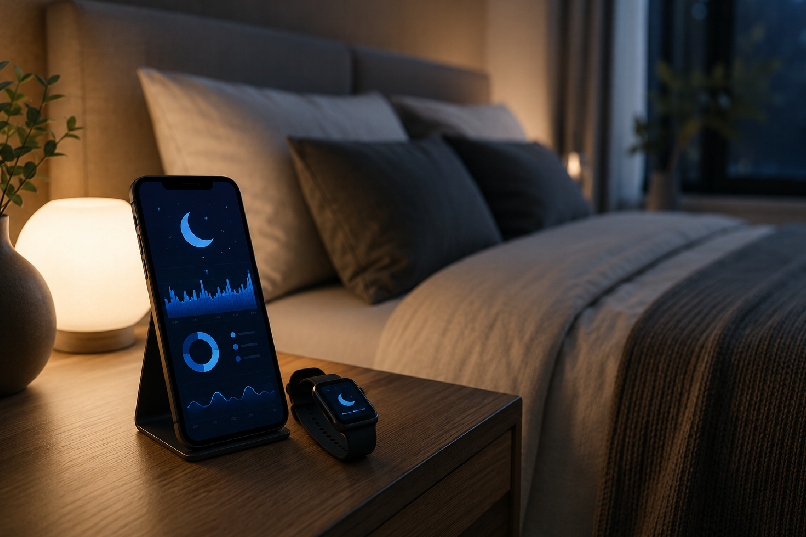
Sleep tracking apps have a credibility problem that's worth addressing before discussing which ones are worth using. The problem is this: tracking sleep doesn't improve sleep. The data that a sleep app generates is only valuable if it changes something — if it identifies a pattern that leads to a behavioral change that improves sleep quality. Apps that produce detailed sleep stage breakdowns and impressive-looking graphs without connecting that data to actionable insight are not improving sleep; they're producing interesting content about sleep.
The apps worth using are those where the data connection to actionable improvement is clear and specific. The app that tells you that your sleep quality is consistently lower on nights when you've had alcohol after 8pm is providing actionable data. The app that tells you that your HRV is lower than your baseline and recommends prioritizing recovery today is providing actionable data. The app that tells you that you spent 23% of last night in deep sleep — without any context about whether that's appropriate for your age and sleep patterns or what to do about it if it isn't — is providing interesting content.
Products
Hume Health App with Smart Scale
The Hume Health app works in conjunction with their smart scale to track body composition over time alongside the sleep data from their under-mattress sensor. The specific value of the integrated approach: the relationship between body composition trends, exercise consistency, and sleep quality becomes visible in a way that isolated tracking doesn't allow. The app's strength is in correlations — showing how changes in one health variable affect others — which provides the actionable context that individual tracking without correlation doesn't generate.
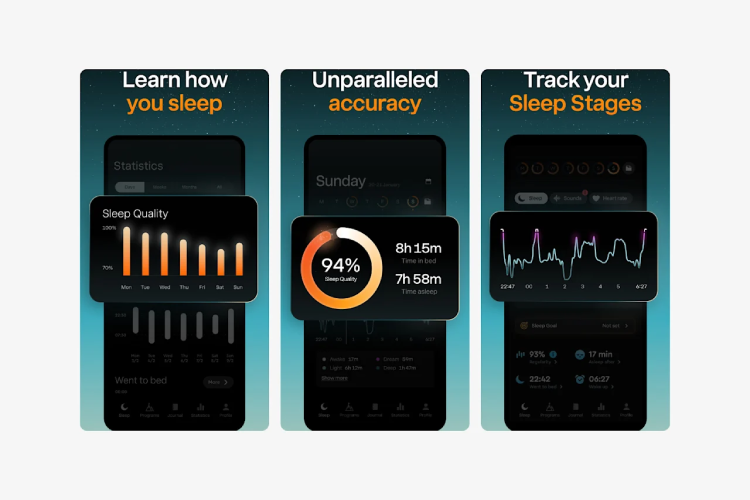
- Available at: Hume Health (humehealth.com)
- Best for: Those who want integrated health tracking — sleep, body composition, and the correlations between them — in a single app environment
Eight Sleep App with Pod Integration
The Eight Sleep app is the most sophisticated sleep-specific app available in the consumer market, specifically because it controls the Pod's temperature management through the night and directly affects sleep quality rather than only observing it. The autopilot feature — which adjusts bed temperature through the night based on sleep stage data — produces the feedback loop where the app's data actively changes the conditions that affect sleep rather than just reporting on them. The sleep health scores and trend data are secondary to this active management function.
- Available at: Eight Sleep (eightsleep.com)
- Best for: Pod owners who want the full active temperature management and sleep analytics — the app that controls the sleep environment rather than just tracking it
Simba Sleep App
The Simba app connects with their Simba Orbit smart sleep tracker — a small device that sits on the bedside table and uses radar technology to detect movement and breathing patterns during sleep. The app provides sleep quality scores, sleep stage data, and trend analysis over time. The specific Simba app advantage is the simplicity of the hardware — no wearable, no mattress installation — and the accuracy that radar-based sleep detection provides over accelerometer-based wrist tracking.
- Available at: Simba Sleep (simbasleep.com)
- Best for: Those who want sleep tracking without a wearable or under-mattress hardware — the radar-based detection that provides accurate sleep stage data from a bedside position
Hume Health Solo Performance App
Hume Health's Solo Performance app is specifically designed for those who approach sleep improvement from a performance optimization perspective — athletes, executives, and others who track sleep quality as part of a broader health performance framework. The app provides the same sleep data as the standard Hume app with additional performance-oriented metrics including readiness scores, recovery tracking, and the specific sleep variables most associated with next-day cognitive and physical performance.
- Available at: Hume Health (humehealth.com)
- Best for: Those who approach sleep as a performance variable rather than a health baseline — athletes and performance-oriented individuals who want the sleep-to-performance connection tracked explicitly
What Sleep Data Is Actually Useful
The hierarchy of sleep data usefulness, from most to least actionable:
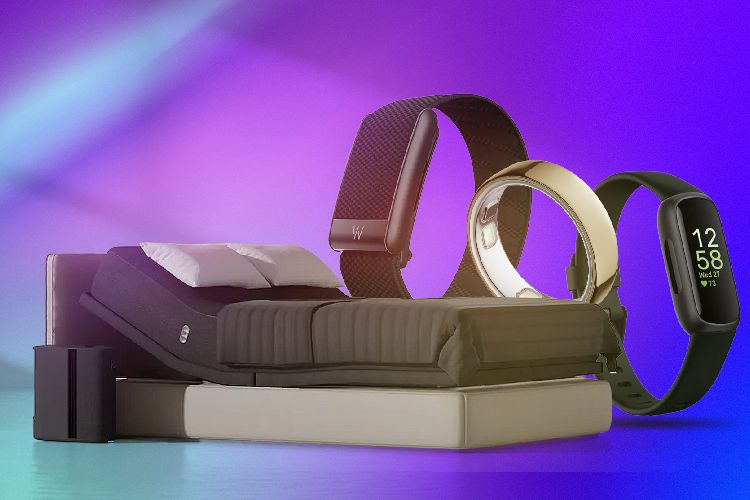
Trend data is the most useful. The pattern over weeks and months — the consistent reduction in sleep quality on certain days of the week, the correlation between specific behaviors and sleep quality, the gradual improvement or decline over a period — provides the context that single-night data doesn't. Most sleep apps produce trend data but most users look at single-night scores rather than trends.
Sleep onset time is highly actionable. How long it takes to fall asleep responds to the most controllable behaviors — light exposure in the hour before bed, alcohol consumption, stress management, bedroom temperature. If sleep onset is consistently longer than fifteen to twenty minutes, the app data points toward specific behavioral changes.
Time in deep and REM sleep is somewhat actionable. These stages are influenced by sleep duration (more total sleep tends to produce more of both), alcohol (suppresses REM specifically), and temperature (too warm reduces deep sleep). But the normal range is wide enough that single-night comparisons are less useful than trend data.
Heart rate variability during sleep is useful for recovery assessment. Lower HRV than baseline indicates incomplete recovery and may suggest a day where high-intensity training or important cognitive work should be managed more conservatively.
Detailed sleep stage breakdowns on individual nights are the least actionable data that most apps emphasize most heavily. The breakdown between light, deep, and REM sleep on a single night has too many variables and too much natural variation to be meaningfully actionable beyond the trend context.
Conclusion
Sleep health apps worth using are those where the data connection to actionable improvement is clear rather than merely interesting. Eight Sleep's app is the most impactful because it controls the sleep environment through the Pod rather than only tracking it. Hume Health's integrated approach provides the correlations between health variables that individual tracking doesn't generate. Simba's radar-based tracking provides accurate non-wearable sleep data in the simplest hardware format. And Hume's Solo Performance app serves the performance-oriented user who approaches sleep as a recovery variable rather than a health baseline. Use the trend data rather than single-night scores, focus on the variables that respond to behavioral change, and sleep tracking becomes a genuinely useful tool rather than an interesting hobby.
Every product here was chosen by an editor from the public record — verified buyer reviews, independent testing and the brand’s own documentation — before any commercial conversation happened. If you buy through a link on this page we may earn a commission, at no cost to you, and it never decides what we recommend. Read the full policy.
Editorial Team
Every recommendation on Decor Imperial is researched by our editors from the public record — verified buyer reviews, independent testing, owner communities and the brand’s own documentation — before it appears here. We earn a commission when you buy through our links; no brand sees a review before it is published, and none has ever changed one.
Keep Reading
All stories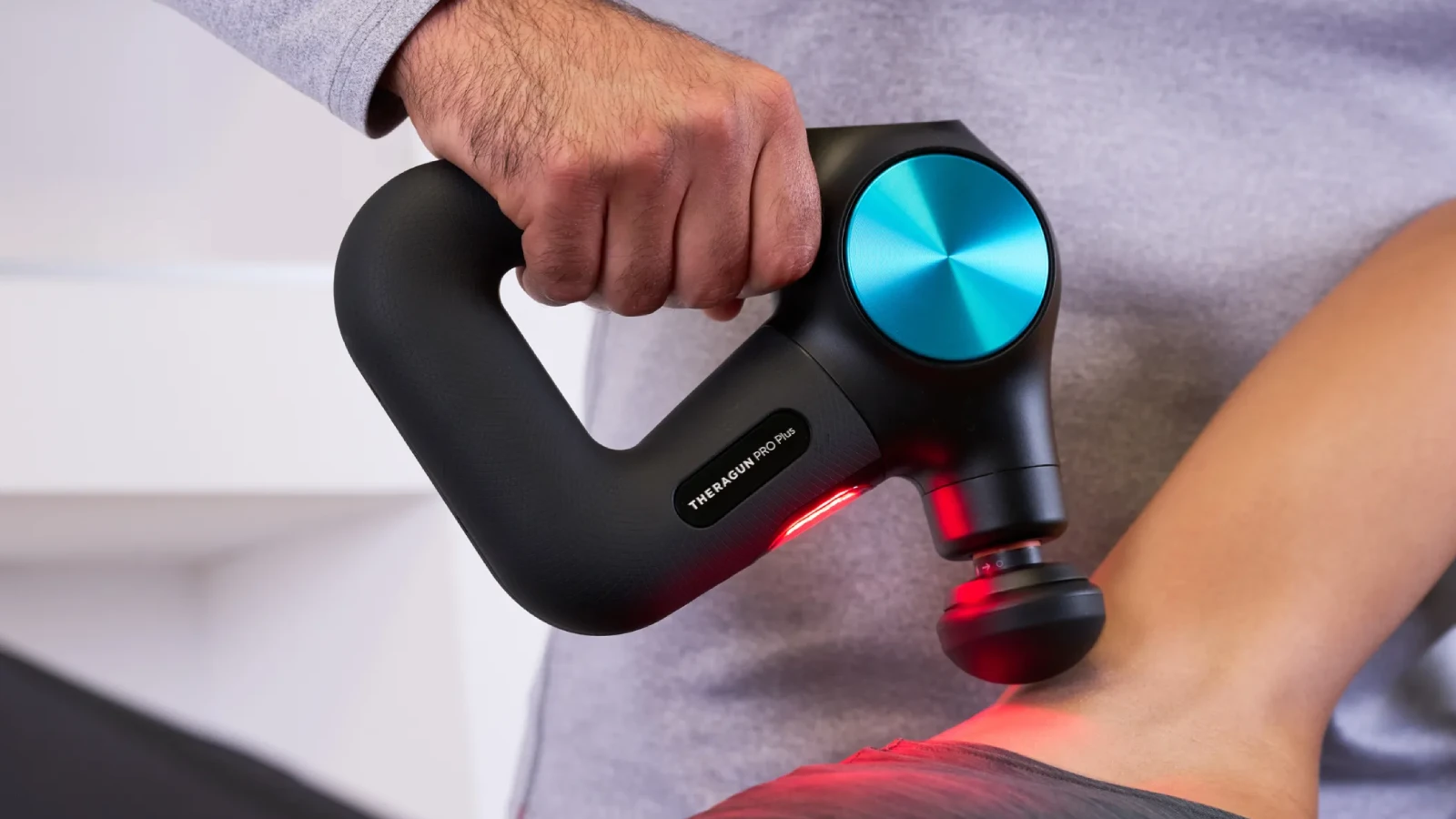 SLEEP & WELLNESS
Therabody Review: The Category-Defining Percussion Massager With a Quality Consistency Concern
Five years of daily use on one Theragun Pro, and the owner still reaches for it. The cheaper line has not held up: a Prime Plus failed at three months and its replacement soon after.
SLEEP & WELLNESS
SLEEP & WELLNESS
Therabody Review: The Category-Defining Percussion Massager With a Quality Consistency Concern
Five years of daily use on one Theragun Pro, and the owner still reaches for it. The cheaper line has not held up: a Prime Plus failed at three months and its replacement soon after.
 SLEEP & WELLNESS
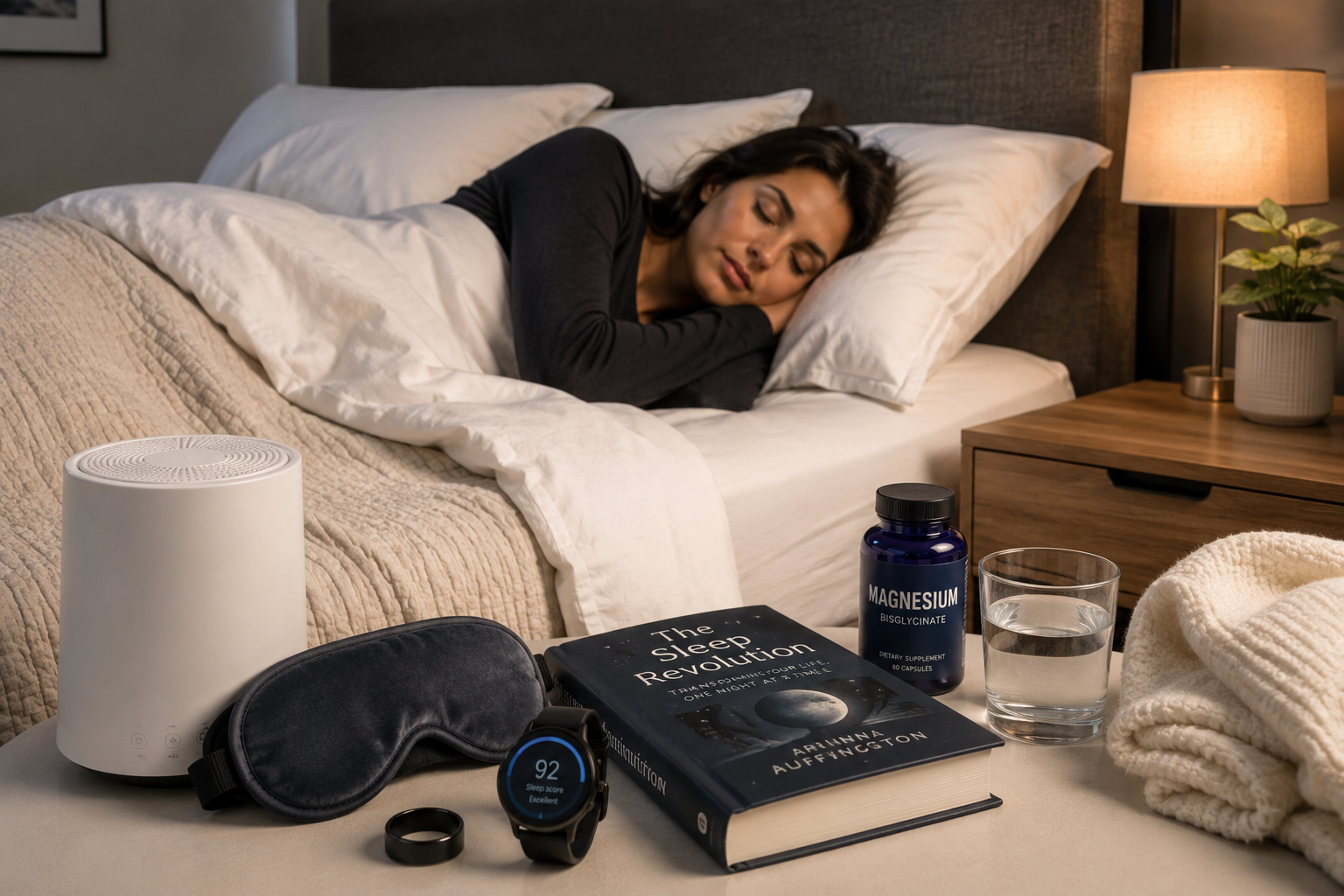
Best Sleep Investment Worth Making — Where to Spend for Genuine Improvement
Sleep investment is worth thinking about as a category because the returns are both immediately felt — the morning after a good night is immediately different from the morning after a poor one — and cumulatively
SLEEP & WELLNESS
SLEEP & WELLNESS
Best Sleep Investment Worth Making — Where to Spend for Genuine Improvement
Sleep investment is worth thinking about as a category because the returns are both immediately felt — the morning after a good night is immediately different from the morning after a poor one — and cumulatively
 SLEEP & WELLNESS
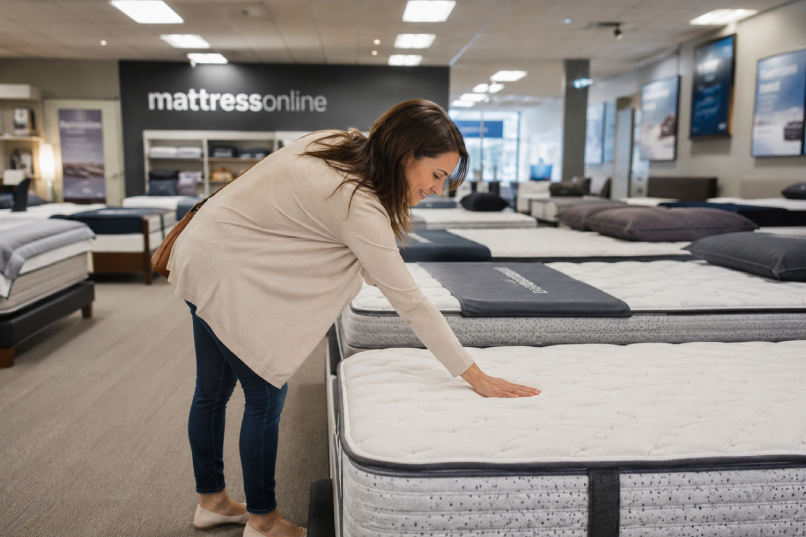
Mattress Online Honest Review — Is the Multi-Brand Retailer Worth Using?
Silentnight is one of the UK's most established mattress manufacturers with production history stretching back decades and a quality track record that the DTC brands haven't accumulated.
SLEEP & WELLNESS
SLEEP & WELLNESS
Mattress Online Honest Review — Is the Multi-Brand Retailer Worth Using?
Silentnight is one of the UK's most established mattress manufacturers with production history stretching back decades and a quality track record that the DTC brands haven't accumulated.