Best Pillows Worth Buying for Better Sleep — The Variable Most People Get Wrong
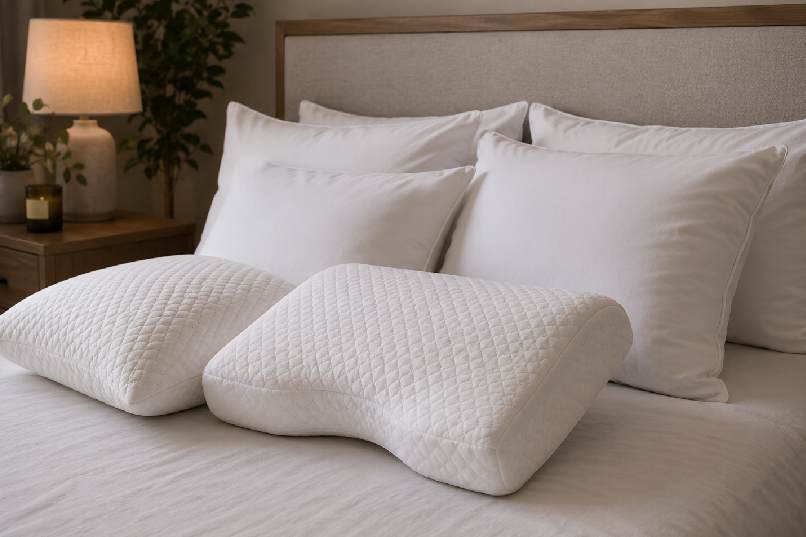
The pillow is the most frequently replaced bedding item in most households and the one most often replaced with another inadequate version. The cycle — current pillow becomes uncomfortable, a new pillow is purchased based on description or price, the new pillow is also inadequate within weeks or months — is common because the specific question of what makes a pillow right for a specific sleeper is rarely asked systematically before purchasing.
What makes a pillow right is a combination of loft height (the distance between the mattress surface and the head, which should maintain neutral spine alignment for the specific sleep position and shoulder width), firmness (which determines whether the loft is maintained through the night or compresses as the fill settles), and temperature management (which determines whether the pillow surface retains heat around the head and neck or allows it to dissipate). Getting all three right for the specific sleeper is the pillow question. Most pillow purchases guess at one variable while ignoring the others.
Products
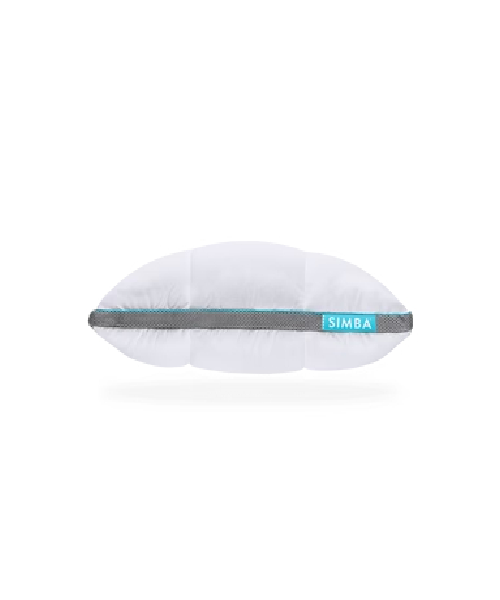
Simba Hybrid Pillow
 Buy Now
The Simba Hybrid pillow uses the Aerocoil micro-spring layer from the mattress range in a pillow format — the springs maintain loft through the night in a way that fiber and foam fills don't, which means the pillow is at the same support height when the alarm goes off as when the head first rested on it. The adjustable fill system allows removing or adding fill to set the loft at the level appropriate for the specific sleep position and shoulder width. The Simbatex layer addresses temperature retention, which is the most consistent pillow complaint for warm sleepers.
- Available at: Simba Sleep (simbasleep.com)
- Best for: Side sleepers who need consistent loft height throughout the night, warm sleepers who find standard pillows retain heat, and those who've been unable to find the right loft height with standard fills
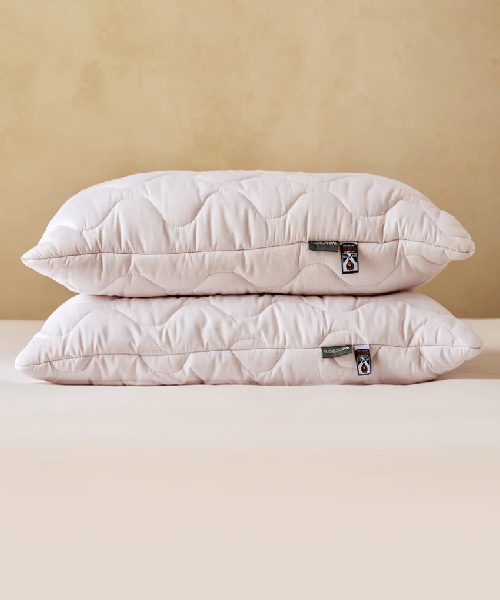
The Wool Room Natural Wool Pillow
 Buy Now
The Wool Room's wool pillow is the natural fiber alternative for those who want the temperature management benefit of wool in the pillow as well as the duvet. The wool fill provides the same moisture management and temperature responsiveness as the duvet fill — it absorbs rather than traps the warmth generated by the head during sleep, which is the specific benefit for those who find their pillow consistently warm through the night. The fill is medium-firm and suits back and side sleepers in most cases.
- Available at: The Wool Room (thewoolroom.com)
- Best for: Warm sleepers who find their current pillow consistently warm during the night — the natural fiber alternative that manages head temperature rather than retaining it
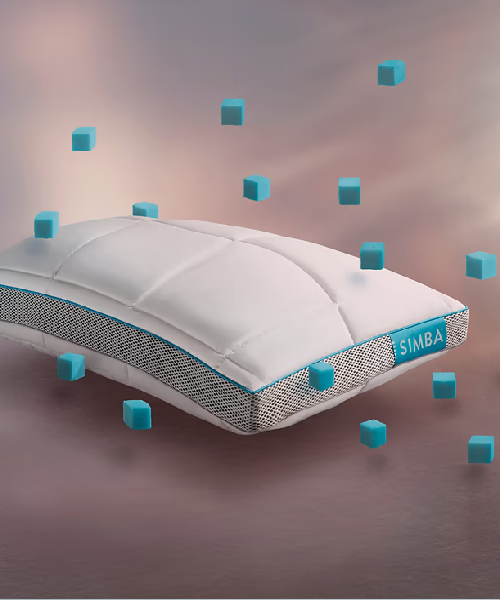
Simba Hybrid Firm Pillow
 Buy Now
The firm version of the Simba pillow is specifically for back sleepers, whose neutral spine alignment requires more loft height to maintain the cervical spine's natural position than side sleepers need. The increased spring density in the firm version maintains the higher loft required without the compression that most high-loft soft pillows develop over a night's use. Back sleepers who've experienced neck stiffness on waking are most likely to benefit from the specific loft consistency this provides.
- Available at: Simba Sleep (simbasleep.com)
- Best for: Back sleepers who need higher, more consistent loft — the firm option for those whose current pillow compresses to an inadequate height overnight
Loft Height by Sleep Position
The most important pillow variable for most people is loft height — the distance the pillow raises the head above the mattress surface. The correct loft height maintains neutral cervical spine alignment (the natural curve of the neck maintained without compression or excessive extension) for the specific sleep position.
Side sleepers need the most loft — enough to fill the space between the shoulder and the head, which is typically 10–15cm depending on shoulder width. A pillow that's too low for a side sleeper allows the head to drop toward the mattress, creating neck tension. A pillow that's too high pushes the head away from the mattress, creating the same tension in the opposite direction.
Back sleepers need moderate loft — enough to support the cervical curve without pushing the head too far forward. The neck in back sleeping is naturally closer to the mattress than in side sleeping, so the pillow needs less height but more specific support at the neck itself rather than the head.
Stomach sleepers need the least loft and are generally advised not to sleep on their stomachs at all from a spinal alignment perspective. If stomach sleeping is a preferred position, the lowest-loft pillow available or no pillow at all produces the least spinal strain.
The Compression Problem
Most pillow disappointments come from compression — the pillow that's at the right loft height initially and loses that height as the fill settles during the night, leaving the head progressively lower than the correct alignment. This is the specific problem that the Simba Hybrid pillow's spring layer addresses.
Materials that resist compression: micro-spring layers (Simba), memory foam (resists compression but retains heat), natural latex (excellent loft maintenance and temperature neutral but heavy and expensive). Materials that compress: polyester fiberfill (the most common and most consistently disappointing), standard wool fill (compresses more than synthetic but recovers between uses), and down (beautiful loft initially, consistent compression through use).
Conclusion
The pillow worth buying is the one that maintains the correct loft height for the specific sleep position through the full night and manages head temperature in the way the sleeper needs. The Simba Hybrid pillow addresses both the loft consistency and temperature management problems with its spring layer and Simbatex foam. The Wool Room and Duckworth wool pillows address temperature management specifically for warm sleepers in a natural fiber format. And the Simba Firm provides the higher, more consistent loft that back sleepers require. The pillow assessment starts with the sleep position and the current pillow's failure mode — compression, wrong height, heat retention — and the product choice follows from that specific problem rather than from general quality claims.
Every product here was chosen by an editor from the public record — verified buyer reviews, independent testing and the brand’s own documentation — before any commercial conversation happened. If you buy through a link on this page we may earn a commission, at no cost to you, and it never decides what we recommend. Read the full policy.
Editorial Team
Every recommendation on Decor Imperial is researched by our editors from the public record — verified buyer reviews, independent testing, owner communities and the brand’s own documentation — before it appears here. We earn a commission when you buy through our links; no brand sees a review before it is published, and none has ever changed one.
Keep Reading
All stories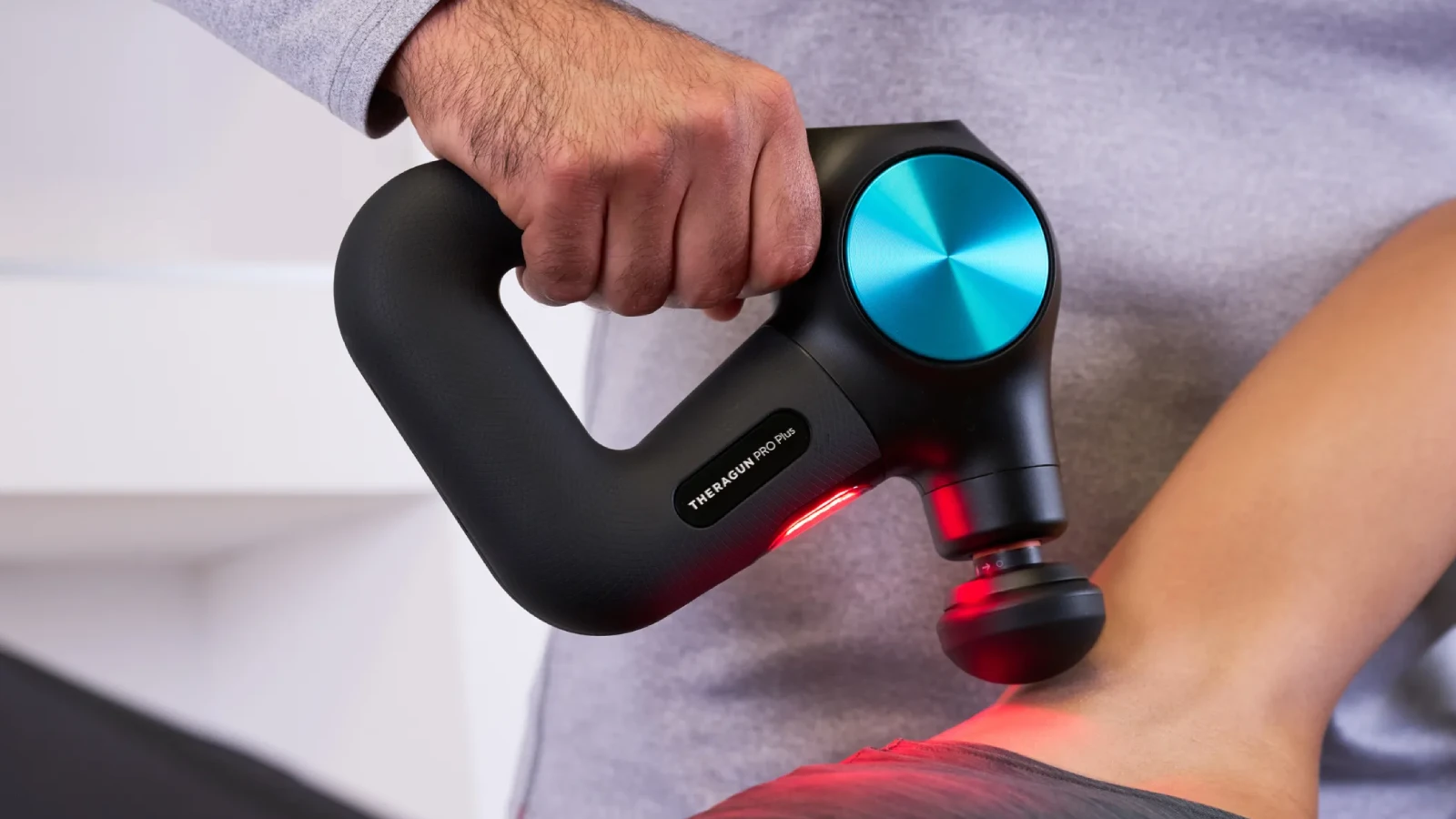 SLEEP & WELLNESS
Therabody Review: The Category-Defining Percussion Massager With a Quality Consistency Concern
Five years of daily use on one Theragun Pro, and the owner still reaches for it. The cheaper line has not held up: a Prime Plus failed at three months and its replacement soon after.
SLEEP & WELLNESS
SLEEP & WELLNESS
Therabody Review: The Category-Defining Percussion Massager With a Quality Consistency Concern
Five years of daily use on one Theragun Pro, and the owner still reaches for it. The cheaper line has not held up: a Prime Plus failed at three months and its replacement soon after.
 SLEEP & WELLNESS
Best Sleep Investment Worth Making — Where to Spend for Genuine Improvement
Sleep investment is worth thinking about as a category because the returns are both immediately felt — the morning after a good night is immediately different from the morning after a poor one — and cumulatively
SLEEP & WELLNESS
SLEEP & WELLNESS
Best Sleep Investment Worth Making — Where to Spend for Genuine Improvement
Sleep investment is worth thinking about as a category because the returns are both immediately felt — the morning after a good night is immediately different from the morning after a poor one — and cumulatively
 SLEEP & WELLNESS
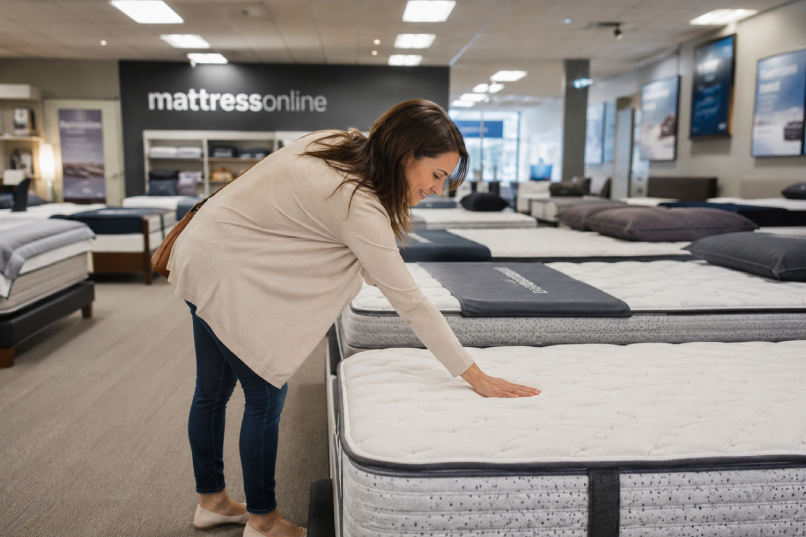
Mattress Online Honest Review — Is the Multi-Brand Retailer Worth Using?
Silentnight is one of the UK's most established mattress manufacturers with production history stretching back decades and a quality track record that the DTC brands haven't accumulated.
SLEEP & WELLNESS
SLEEP & WELLNESS
Mattress Online Honest Review — Is the Multi-Brand Retailer Worth Using?
Silentnight is one of the UK's most established mattress manufacturers with production history stretching back decades and a quality track record that the DTC brands haven't accumulated.