Best Natural Sleep Aids Worth Trying — What Actually Helps
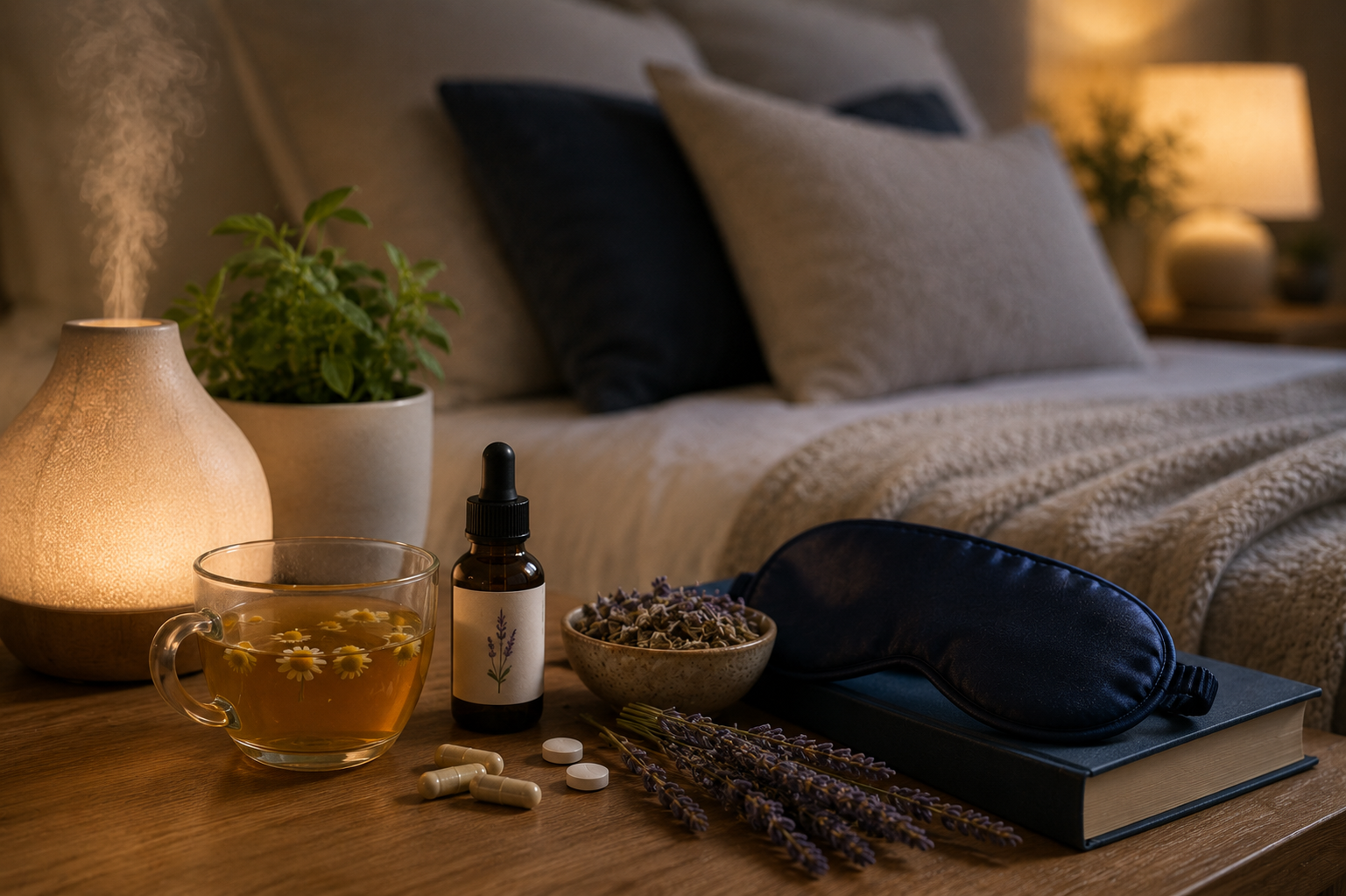
Natural sleep aids occupy the specific territory between the sleep hygiene advice that doesn't require any product and the prescription sleep medication that requires medical involvement. They're the things people try when the behavioral interventions haven't produced sufficient improvement and the medication route feels like more intervention than the problem warrants.
The honest evaluation of this category requires acknowledging upfront that the evidence base for most natural sleep aids is less robust than the marketing implies. The supplement that "improves sleep quality" in a company-funded study with thirty participants who knew they were taking the supplement is providing a different level of evidence from the interventions with hundreds of replicated studies and consistent effect sizes. Most natural sleep aids are in the former category. A small number are in the latter.
Products
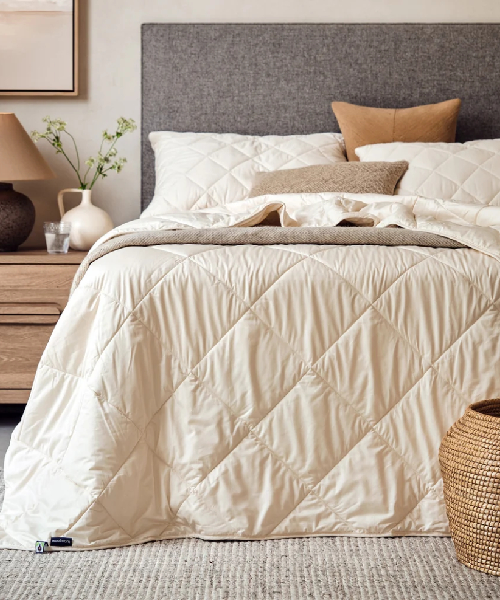
The Wool Room Natural Fiber Bedding System
 Buy Now
The Wool Room's bedding is included here because the evidence for natural fiber temperature regulation improving sleep quality is among the strongest available for any sleep intervention without a pharmaceutical mechanism. The wool duvet, wool pillow, and wool mattress topper together constitute a natural sleep aid in the most literal sense — a natural material intervention that produces measurable improvement in sleep temperature stability and, through that, in sleep quality.
- Available at: The Wool Room (thewoolroom.com)
- Best for: Warm sleepers whose sleep disruption is temperature-related — the natural material intervention with the most robust evidence of any product in this category
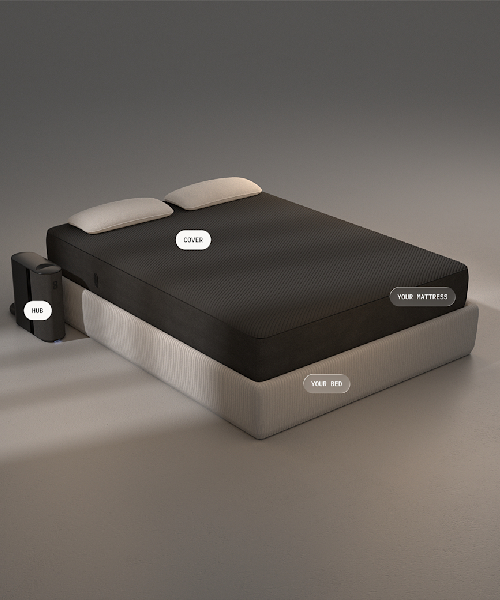
Eight Sleep Pod Natural Sleep Support
 Buy Now
Eight Sleep's Pod is categorized as natural sleep aid here in the sense that the active temperature management it provides is addressing the same temperature regulation variable that the Wool Room's natural fiber approach addresses — through technology rather than material properties. For those for whom the natural fiber approach is insufficient, the Pod is the next level of the same intervention.
- Available at: Eight Sleep (eightsleep.com)
- Best for: Those for whom passive natural fiber temperature management is insufficient — the technology escalation of the same natural intervention
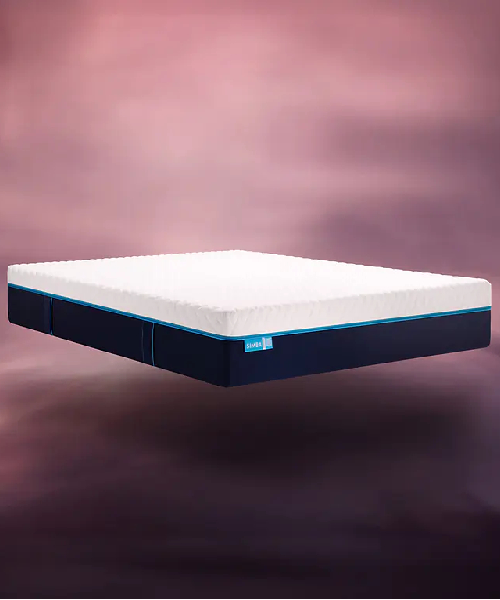
Simba Sleep Environment System
 Buy Now
The Simba mattress, pillow, and duvet used together constitute a sleep environment system where each element is designed to support the others — the mattress's temperature management, the pillow's loft consistency, and the duvet's thermal regulation all working together. While not a "sleep aid" in the supplement sense, this integrated approach to the sleep environment produces the conditions under which the body's natural sleep processes function most effectively, which is the most genuinely natural sleep improvement available.
- Available at: Simba Sleep (simbasleep.com)
- Best for: Those who want a complete sleep environment system rather than individual product improvements — the integrated approach to sleep quality
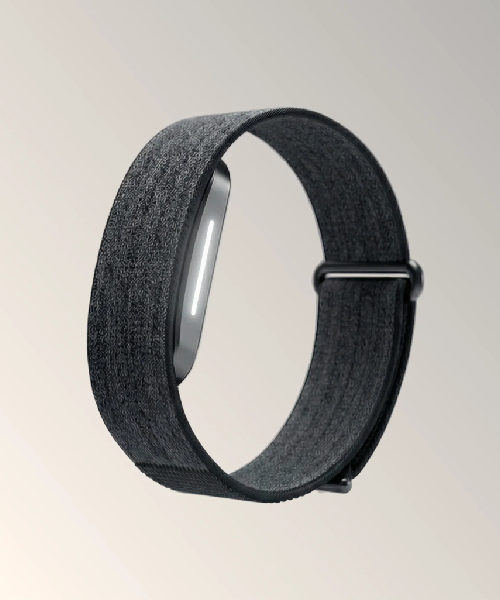
Hume Health Monitoring for Natural Sleep Optimization
 Buy Now
Hume Health's monitoring provides the data infrastructure for natural sleep optimization — the ability to see which natural behavioral changes (earlier wind-down, room temperature adjustment, different sleep timing) produce measurable sleep quality improvement versus which don't. Natural sleep improvement without data is guessing. With data, it's identification of what specifically works for the individual sleeper.
- Available at: Hume Health (humehealth.com)
- Best for: Those who want to optimize their natural sleep improvement approach with data rather than general recommendations — the monitoring that makes natural sleep optimization specific rather than generic
The Evidence for Natural Sleep Interventions
The interventions with the most consistent evidence behind them, in rough order of evidence strength:
Consistent sleep and wake timing. The strongest evidence of any behavioral intervention — more robust than any supplement or product. The body's circadian rhythm responds to consistency more than to any other single input. Same wake time every day (including weekends) produces measurable improvement in sleep quality.
Temperature management at the sleep surface. Strong evidence, particularly for warm sleepers. The body's need for core temperature reduction during sleep onset is well-documented, and interventions that support this — appropriate bedding, appropriate room temperature — produce measurable improvement.
Light exposure management. Strong evidence that blue-spectrum light in the hours before bed delays sleep onset by suppressing melatonin. Warm-spectrum lighting in the pre-sleep period and darkness during sleep produce measurable improvement.
Magnesium supplementation. Moderate evidence — better than most supplements, not as strong as the behavioral interventions. Magnesium glycinate at 200-400mg before sleep has some evidence for improving sleep onset and sleep quality in those with magnesium deficiency, which is common.
Melatonin supplementation. Evidence for sleep onset timing improvement (useful for jet lag and shift work) rather than sleep quality improvement. Often used where sleep quality is the concern when the specific mechanism — delayed sleep phase or circadian disruption — isn't addressed.
Lavender aromatherapy. Some evidence for mild sleep onset improvement, effect size modest, primarily from anxiety reduction mechanism rather than direct sleep effect.
Most other natural sleep supplements have insufficient evidence to make specific recommendations.
Conclusion
Natural sleep aids that genuinely help in 2026 are primarily the environmental and behavioral interventions rather than the supplement category — the temperature management that natural fiber bedding provides, the light environment management that warm-spectrum dimmable lighting supports, and the monitoring that data provides for optimizing specific natural interventions for the individual sleeper. The supplement category is honest in having weaker evidence than most of its marketing implies, with magnesium being the best-supported exception. The sleep environment system — The Wool Room's bedding, Simba's integrated sleep surface, Pooky's lighting, Hume's monitoring — constitutes the comprehensive natural approach to sleep quality improvement that the evidence most consistently supports.
Every product here was chosen by an editor from the public record — verified buyer reviews, independent testing and the brand’s own documentation — before any commercial conversation happened. If you buy through a link on this page we may earn a commission, at no cost to you, and it never decides what we recommend. Read the full policy.
Editorial Team
Every recommendation on Decor Imperial is researched by our editors from the public record — verified buyer reviews, independent testing, owner communities and the brand’s own documentation — before it appears here. We earn a commission when you buy through our links; no brand sees a review before it is published, and none has ever changed one.
Keep Reading
All stories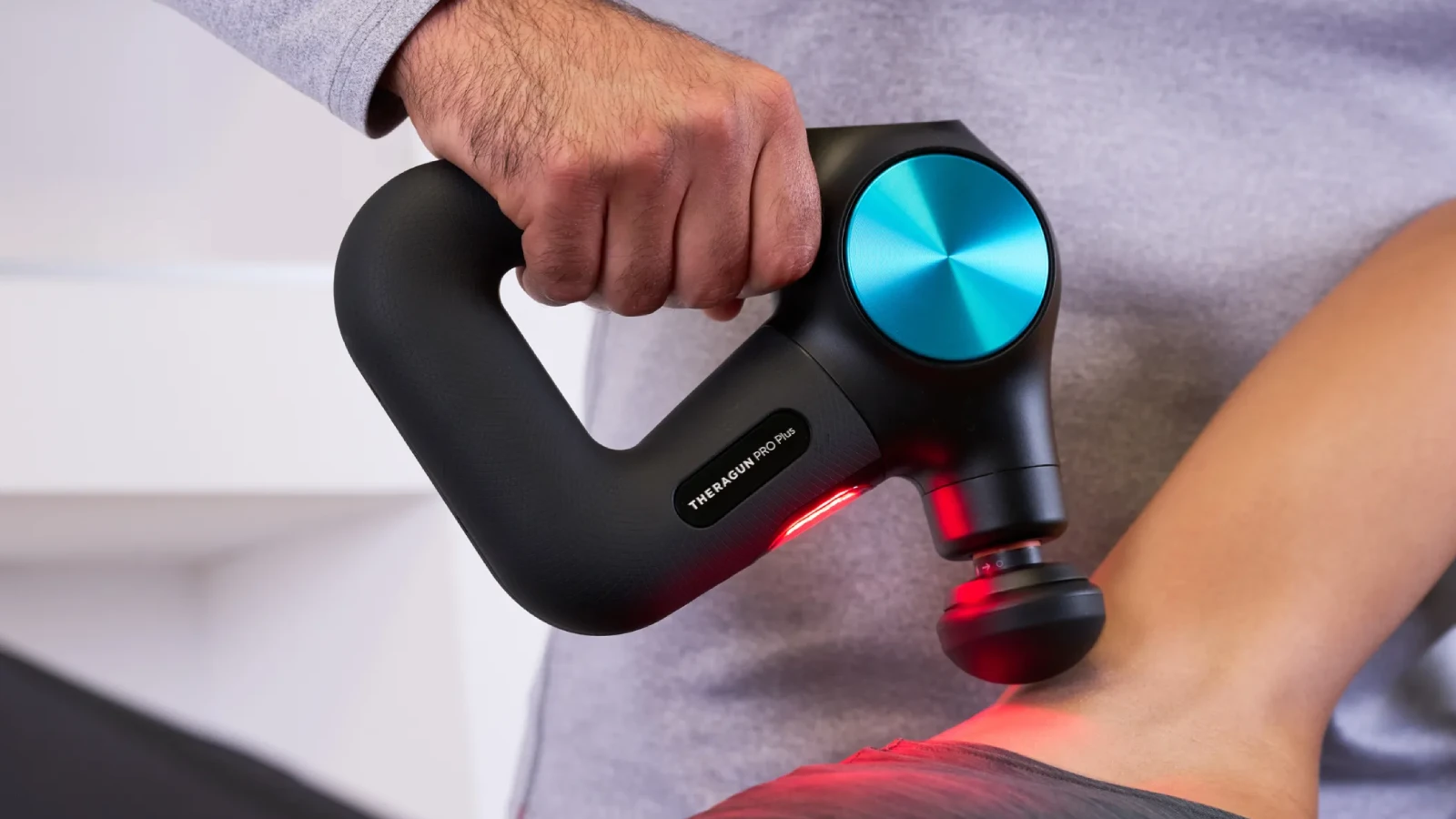 SLEEP & WELLNESS
Therabody Review: The Category-Defining Percussion Massager With a Quality Consistency Concern
Five years of daily use on one Theragun Pro, and the owner still reaches for it. The cheaper line has not held up: a Prime Plus failed at three months and its replacement soon after.
SLEEP & WELLNESS
SLEEP & WELLNESS
Therabody Review: The Category-Defining Percussion Massager With a Quality Consistency Concern
Five years of daily use on one Theragun Pro, and the owner still reaches for it. The cheaper line has not held up: a Prime Plus failed at three months and its replacement soon after.
 SLEEP & WELLNESS
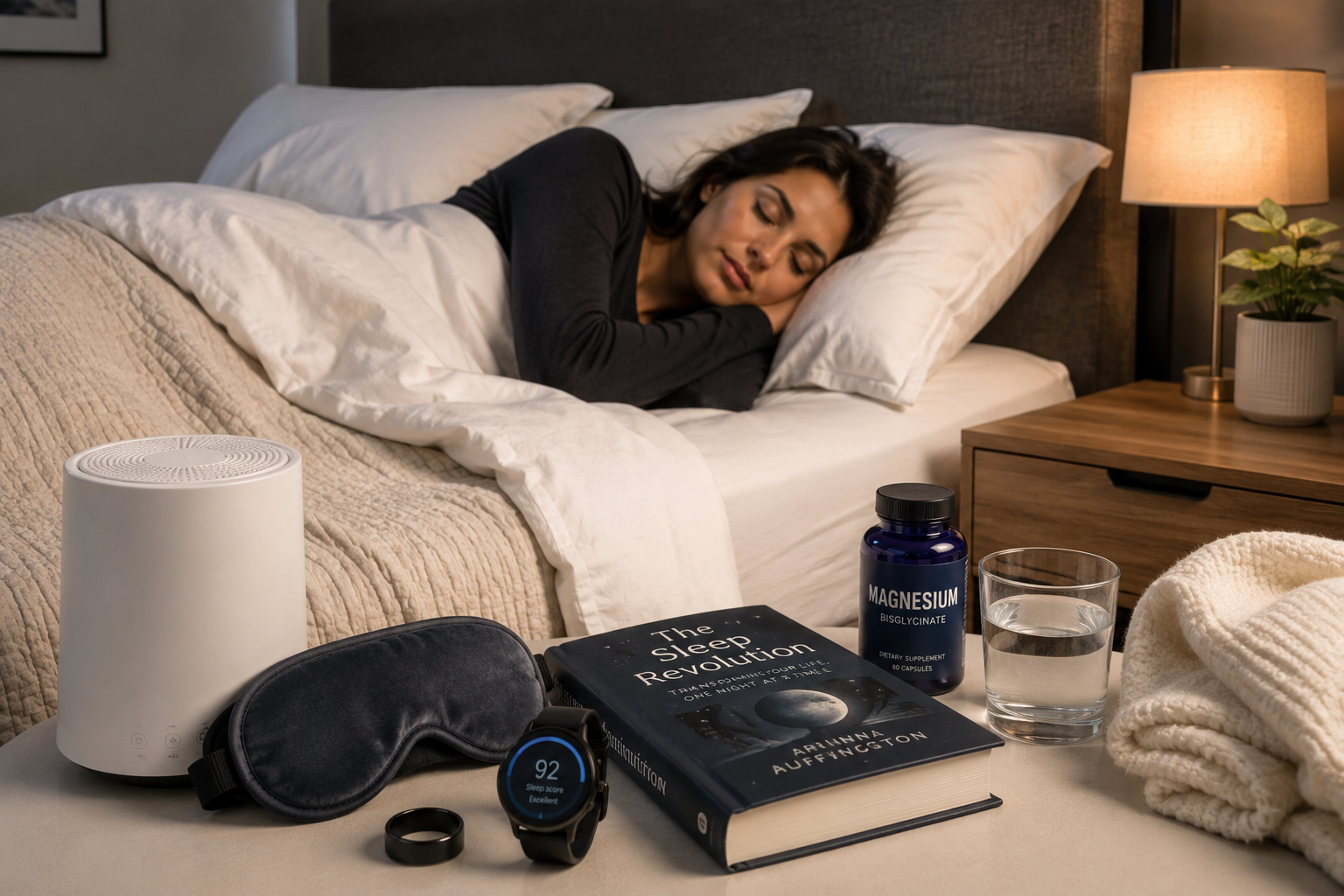
Best Sleep Investment Worth Making — Where to Spend for Genuine Improvement
Sleep investment is worth thinking about as a category because the returns are both immediately felt — the morning after a good night is immediately different from the morning after a poor one — and cumulatively
SLEEP & WELLNESS
SLEEP & WELLNESS
Best Sleep Investment Worth Making — Where to Spend for Genuine Improvement
Sleep investment is worth thinking about as a category because the returns are both immediately felt — the morning after a good night is immediately different from the morning after a poor one — and cumulatively
 SLEEP & WELLNESS
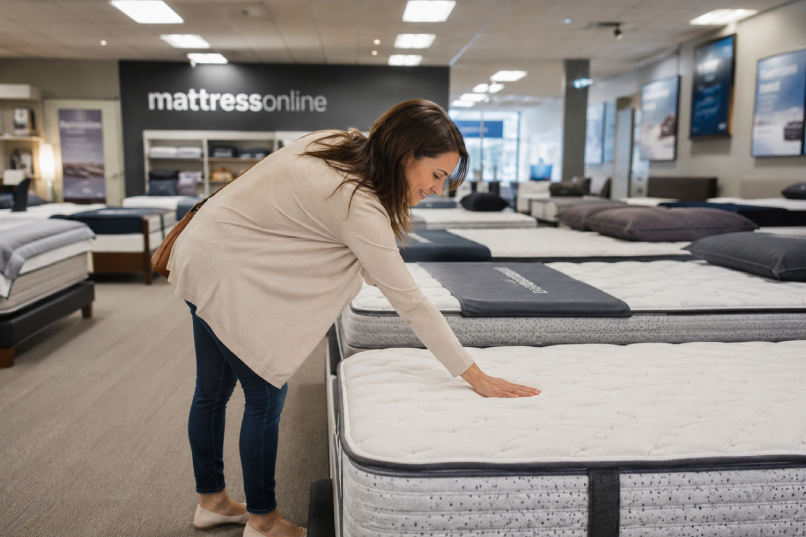
Mattress Online Honest Review — Is the Multi-Brand Retailer Worth Using?
Silentnight is one of the UK's most established mattress manufacturers with production history stretching back decades and a quality track record that the DTC brands haven't accumulated.
SLEEP & WELLNESS
SLEEP & WELLNESS
Mattress Online Honest Review — Is the Multi-Brand Retailer Worth Using?
Silentnight is one of the UK's most established mattress manufacturers with production history stretching back decades and a quality track record that the DTC brands haven't accumulated.