Best Mattress Worth Buying — The Purchase That Changes Everything About Sleep
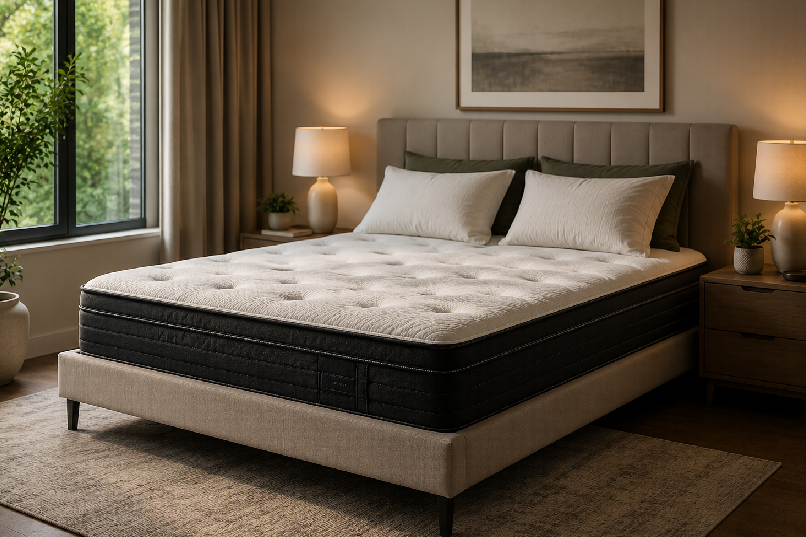
The mattress is the furniture piece with the highest daily use of anything in the home and consistently the one that receives the least informed purchasing decision. Most people buy a mattress because the previous one has become untenable, in a state of relative urgency, in a showroom where the decision is made after lying still on each option for approximately ninety seconds in an environment that shares almost nothing with the actual conditions of sleep.
The result is that most people own a mattress that isn't well-matched to their sleep needs, have replaced it at least once for the same reason, and are vaguely dissatisfied with their sleep quality without connecting that dissatisfaction specifically to the surface they're sleeping on.
The mattress that changes sleep quality does so through specific mechanisms: appropriate support for the spine's natural alignment in the sleeper's primary sleep position, pressure relief at the hips and shoulders for side sleepers, temperature management that prevents the heat accumulation that wakes warm sleepers in the early hours, and sufficient motion isolation for those sharing the bed. No single mattress is optimal for all of these simultaneously, which is why understanding which factors matter most for the specific sleeper is the foundational decision before any brand or product evaluation.
Products
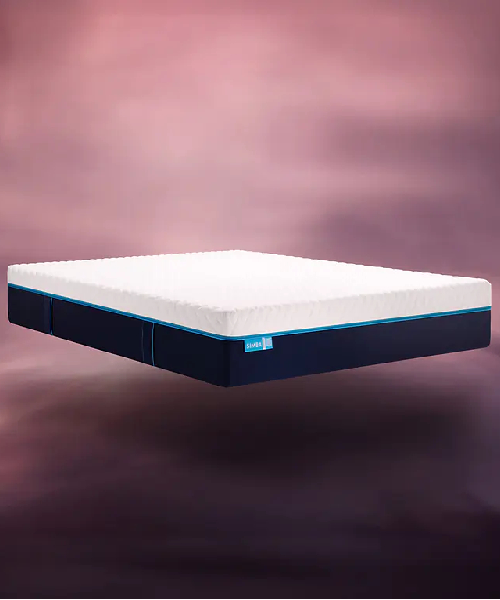
Simba Sleep Hybrid Pro
 Buy Now
Simba is the UK hybrid mattress brand with the most consistent reputation for genuine product quality across a sustained period, and the Hybrid Pro is the product that earns that reputation most clearly. The construction — Simbatex foam comfort layer, memory foam transitional layer, and 2,500 Aerocoil micro-springs in a double — addresses pressure relief and support simultaneously in a way that single-material mattresses don't. The Simbatex specifically is designed for temperature management: the open-cell structure allows air circulation that standard memory foam prevents, which addresses the most consistent memory foam complaint of sleeping warm. The 200-night trial is the most generous in the mainstream mattress market.
- Available at: Simba Sleep (simbasleep.com)
- Best for: Side and combination sleepers who want pressure relief and support in a single mattress, particularly those who have found memory foam too warm — the hybrid that addresses both concerns
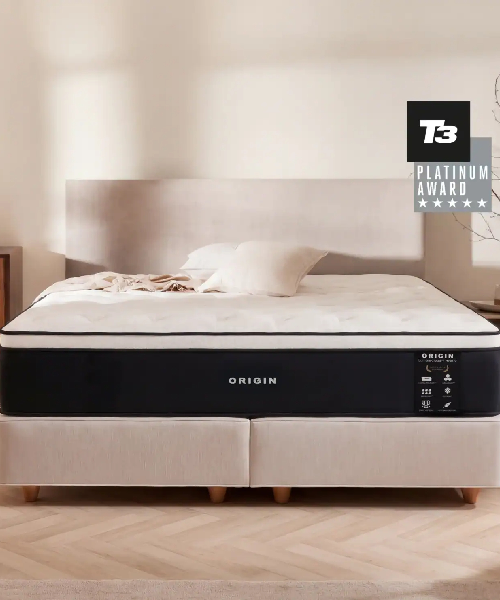
Origin Mattress
 Buy Now
Origin produces mattresses at price points that consistently deliver above what the price suggests, with the specific advantage of direct-to-consumer economics that remove the retail markup layer. The Origin Hybrid uses individually wrapped pocket springs with multiple foam layers in a construction that's competitive with Simba at a price that's typically £200–£400 lower for comparable sizes. The 100-night trial is less generous than Simba's but adequate for genuine evaluation.
- Available at: Origin Mattress (originmattress.co.uk)
- Best for: Those who want hybrid mattress quality at a price point below the premium brands — the value option that competes on performance rather than marketing
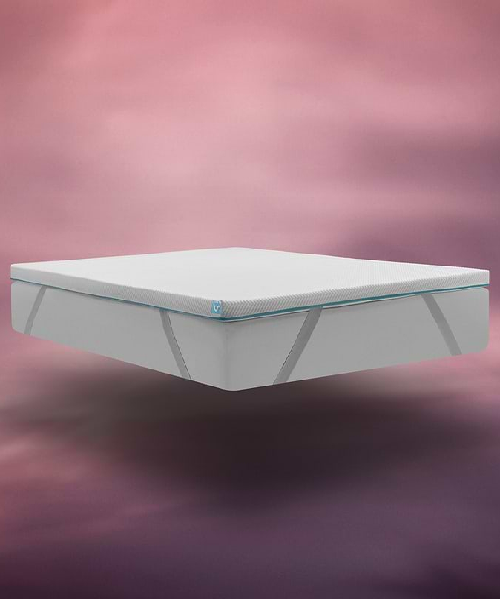
Simba Sleep Hybrid Essential
 Buy Now
For those who want the Simba approach at a lower price point, the Hybrid Essential is the entry to the Simba range. The spring count is lower than the Pro and the comfort layer is less sophisticated, but the core hybrid construction — springs plus foam — and the 200-night trial remain. For sleepers whose needs are straightforward and who don't require the specific temperature management and pressure relief optimization of the Pro, the Essential provides the Simba quality at a more accessible price.
- Available at: Simba Sleep (simbasleep.com)
- Best for: Those who want Simba's quality and trial period at a more accessible price — the entry point that provides the hybrid construction without the full Pro specification
Mattress Online Curated Selection
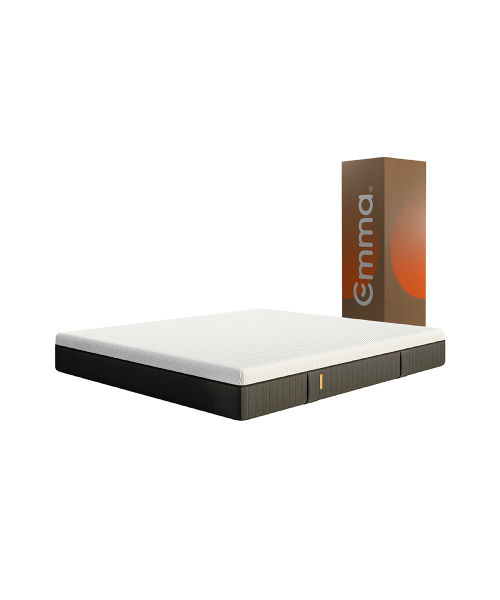 Buy Now
Mattress Online is the retailer that stocks a curated range from established traditional mattress brands — Silentnight, Sealy, Sleepeezee — alongside newer hybrid options, allowing comparison across multiple manufacturers in one place rather than navigating individual brand websites. For those who want the reassurance of established brand quality or who want to compare multiple specifications side by side, Mattress Online provides the most complete comparison resource available online.
- Available at: Mattress Online (mattressonline.co.uk)
- Best for: Those who want to compare multiple brands and specifications before committing — the retailer that provides the broadest comparison across established and newer brands
The Mattress Decision Framework
The mattress decision that produces genuine improvement in sleep quality starts with understanding which sleep variable is currently limiting quality — because different mattress properties address different problems.
Back pain on waking typically indicates a support problem — the mattress is either too soft (allowing the spine to sag into the sleeping position) or too firm (creating pressure points that the body compensates for through muscle tension). The specific type of back pain — lower back versus between the shoulders versus neck — indicates which area of the spine is being supported inadequately.
Waking warm in the early hours indicates a temperature management problem — the mattress surface is retaining heat that the body needs to dissipate. This is most common with dense memory foam mattresses and is the specific complaint that Simba's Simbatex addresses.
Partner disturbance — waking when the other person moves — indicates a motion isolation problem. Pocket spring mattresses isolate motion better than open coil springs. Memory foam isolates motion better than either. The tradeoff with high motion isolation materials is often higher temperature retention.
The Trial Period — The Most Important Commercial Feature
A mattress trial period is the most important commercial feature in the mattress category because a mattress can only be genuinely evaluated by sleeping on it — not by lying on it in a showroom for three minutes. The body needs two to four weeks to adapt to a new mattress support structure before any meaningful assessment is possible, which means the trial needs to be long enough to allow that adaptation period and still have time remaining for genuine evaluation.
Simba's 200-night trial is the most generous available in the mainstream market. Origin's 100-night trial provides adequate time for evaluation after the adaptation period. Any mattress sold without a trial period of at least 60 nights is a mattress that the brand is not confident enough in to allow genuine evaluation — which tells you something about the brand's own assessment of the product.
The Archers Sleepcentre Consultation Approach
For those whose sleep problems are specific enough that a standardized product recommendation feels inadequate — chronic back problems, significant partner disturbance, very specific temperature preferences — the Archers Sleepcentre consultation approach is worth knowing about.
Archers is a UK sleep specialist retailer with physical showrooms and genuine consultation expertise. Their sleep consultants assess sleep position, body weight distribution, temperature preferences, and specific pain or comfort concerns before recommending from a range of manufacturers. This consultation-first approach produces more accurate recommendations for complex sleep needs than any algorithm or online quiz, and the ability to try recommended mattresses in a showroom before purchasing adds an evaluation dimension that online-only purchasing doesn't provide.
Conclusion
The mattress worth buying is the one matched to the specific sleep problems that need solving — the Simba Hybrid Pro for those who need both pressure relief and temperature management, Origin for those who want hybrid quality at a more accessible price, Simba Essential for straightforward sleep needs within the Simba trial period, and Mattress Online for those who want to compare multiple established brands before deciding. Use the full trial period, track sleep quality rather than comfort impression, and give the mattress at least three to four weeks before forming an opinion. The mattress that produces genuinely better mornings after a month of sleeping on it is the mattress worth keeping.
Every product here was chosen by an editor from the public record — verified buyer reviews, independent testing and the brand’s own documentation — before any commercial conversation happened. If you buy through a link on this page we may earn a commission, at no cost to you, and it never decides what we recommend. Read the full policy.
Editorial Team
Every recommendation on Decor Imperial is researched by our editors from the public record — verified buyer reviews, independent testing, owner communities and the brand’s own documentation — before it appears here. We earn a commission when you buy through our links; no brand sees a review before it is published, and none has ever changed one.
Keep Reading
All stories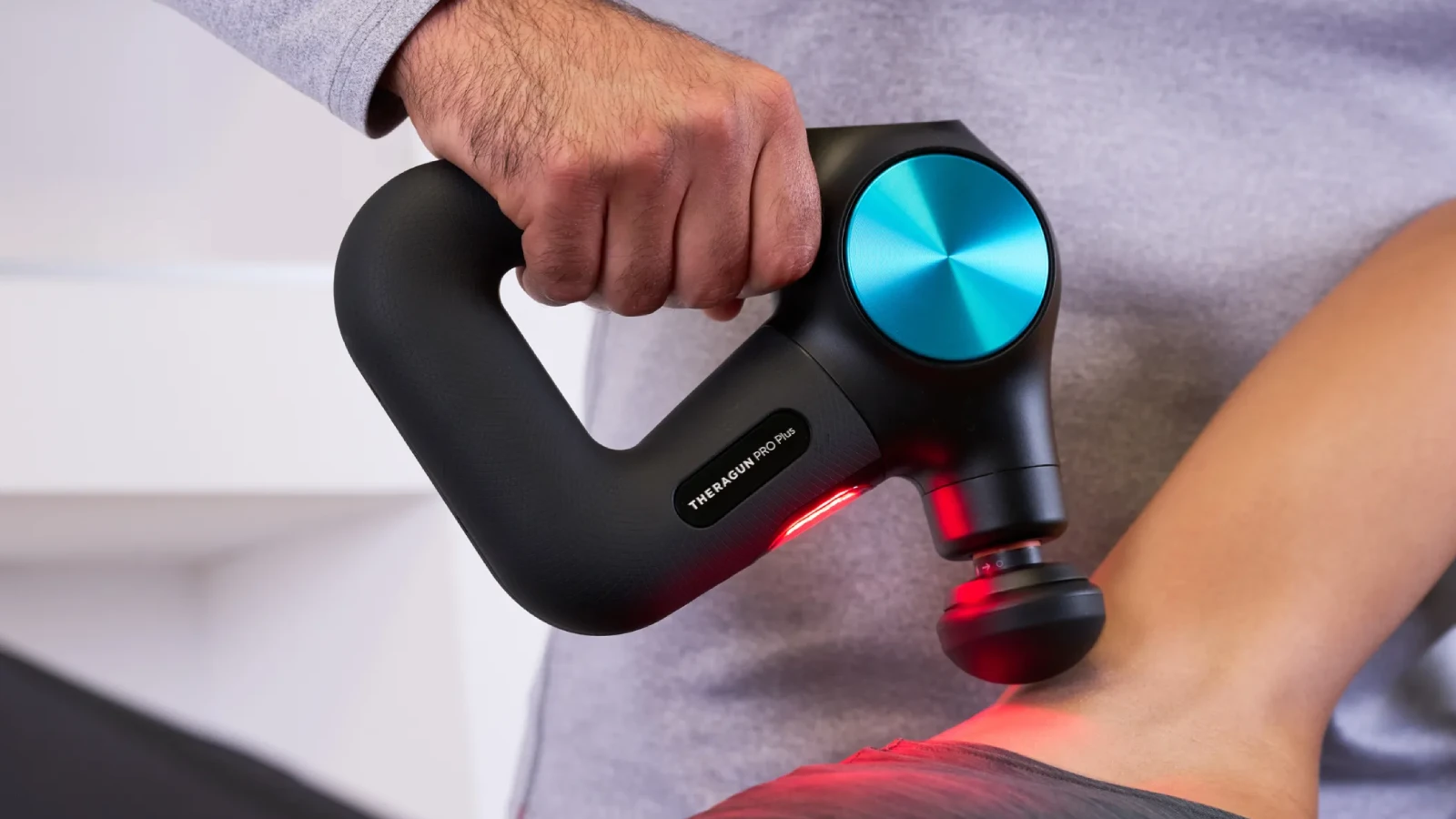 SLEEP & WELLNESS
Therabody Review: The Category-Defining Percussion Massager With a Quality Consistency Concern
Five years of daily use on one Theragun Pro, and the owner still reaches for it. The cheaper line has not held up: a Prime Plus failed at three months and its replacement soon after.
SLEEP & WELLNESS
SLEEP & WELLNESS
Therabody Review: The Category-Defining Percussion Massager With a Quality Consistency Concern
Five years of daily use on one Theragun Pro, and the owner still reaches for it. The cheaper line has not held up: a Prime Plus failed at three months and its replacement soon after.
 SLEEP & WELLNESS
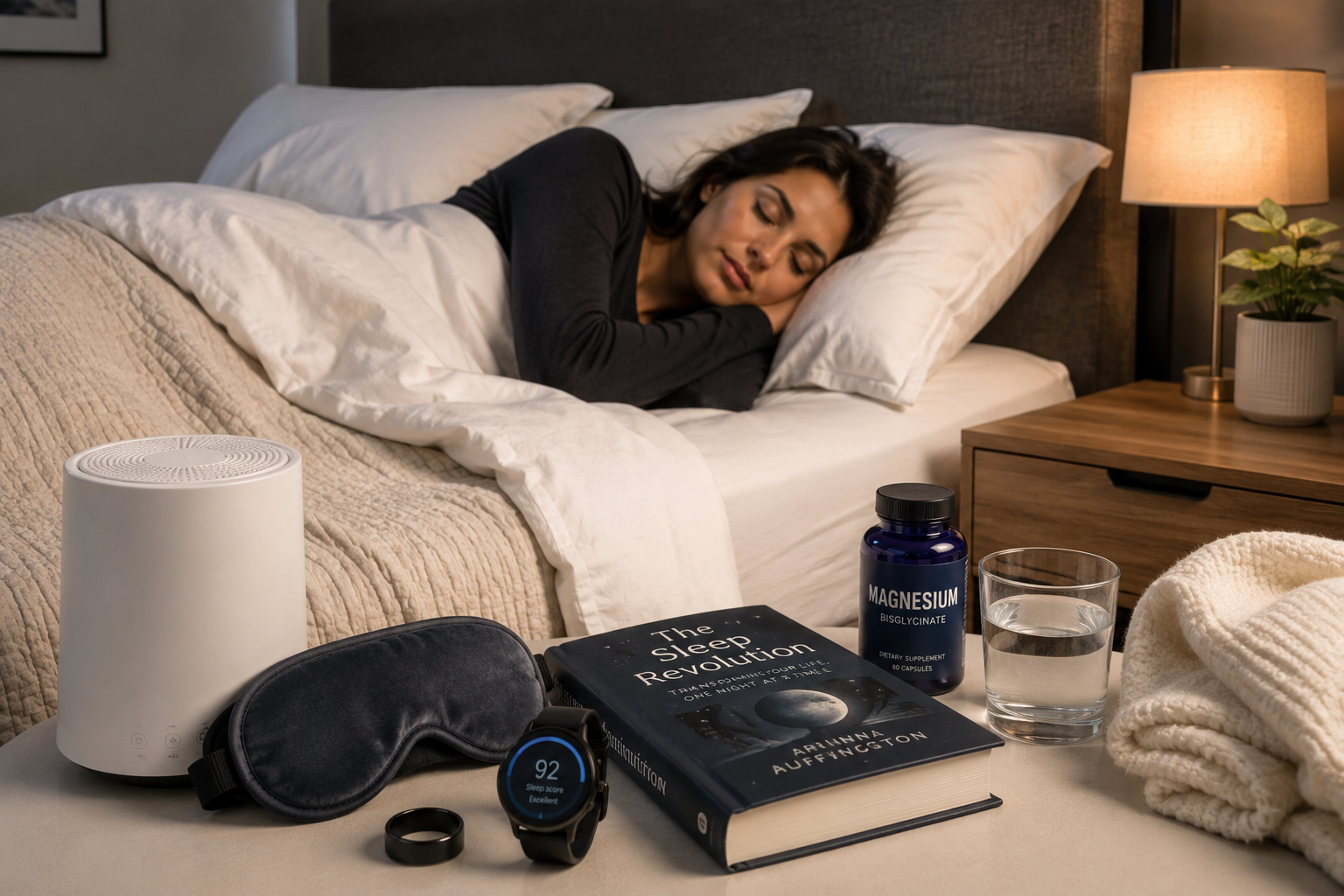
Best Sleep Investment Worth Making — Where to Spend for Genuine Improvement
Sleep investment is worth thinking about as a category because the returns are both immediately felt — the morning after a good night is immediately different from the morning after a poor one — and cumulatively
SLEEP & WELLNESS
SLEEP & WELLNESS
Best Sleep Investment Worth Making — Where to Spend for Genuine Improvement
Sleep investment is worth thinking about as a category because the returns are both immediately felt — the morning after a good night is immediately different from the morning after a poor one — and cumulatively
 SLEEP & WELLNESS
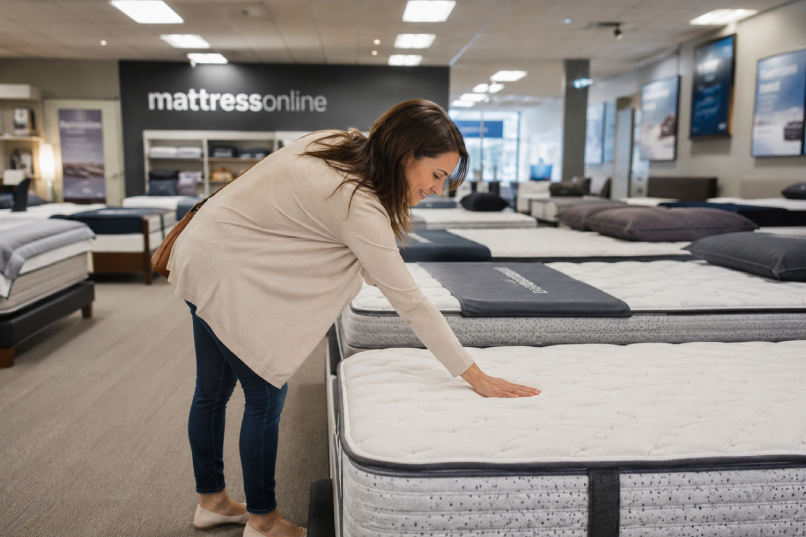
Mattress Online Honest Review — Is the Multi-Brand Retailer Worth Using?
Silentnight is one of the UK's most established mattress manufacturers with production history stretching back decades and a quality track record that the DTC brands haven't accumulated.
SLEEP & WELLNESS
SLEEP & WELLNESS
Mattress Online Honest Review — Is the Multi-Brand Retailer Worth Using?
Silentnight is one of the UK's most established mattress manufacturers with production history stretching back decades and a quality track record that the DTC brands haven't accumulated.