Best Home Renovation Ideas Worth Trying — The Changes That Make the Biggest Difference

The word renovation implies structural change — the new kitchen, the extended living room, the loft conversion. These are genuine improvements that add value and space. They're also expensive, disruptive, and time-consuming in ways that most home improvement content understates. The six-week kitchen renovation that takes four months. The bathroom refresh that reveals underlying plumbing issues. The extension that produced planning permission anxiety for nine months before a spade entered the ground.
None of this is an argument against renovation when it's genuinely warranted. It's context for the observation that the improvements that change how a home is actually experienced from day to day are often not the structural ones. They're the decisions that affect how rooms look and feel in the everyday moments — the evening light, the morning coffee, the sofa that's finally the right fabric — and they're available at a fraction of renovation cost and disruption.
Products
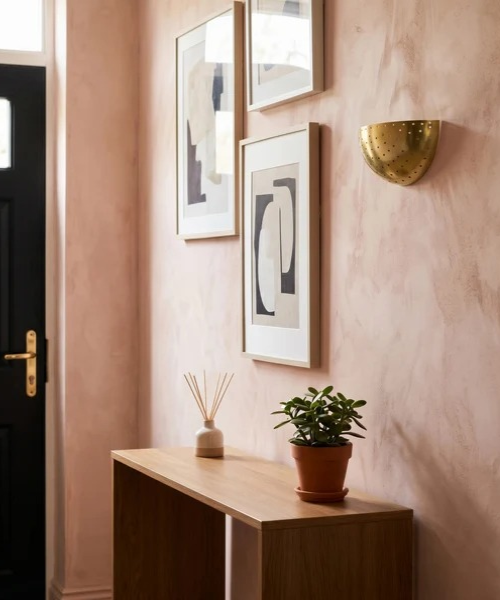
Pooky Full Lighting Refresh
 Buy Now
A whole-home lighting refresh — replacing inadequate or ugly fixtures with Pooky lamps in every room where lighting is a current problem — is the renovation-equivalent change available without a contractor. The impact of getting every room's lighting right simultaneously produces the specific feeling that the home has been genuinely improved rather than incrementally adjusted. The investment is significant but is a fraction of any structural renovation and produces results that are felt every evening.
- Price: £65–£500 per room depending on pieces selected
- Available at: Pooky (pooky.com)
- Best for: Those who want the whole-home transformation that full lighting replacement produces — the room-by-room improvement that collectively changes the home's evening experience
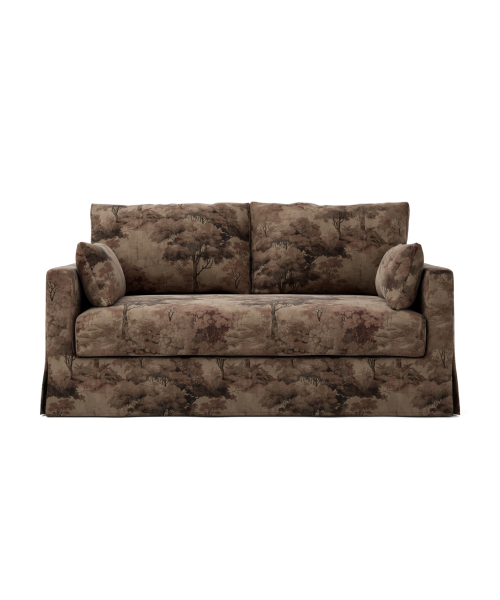
Bemz Multi-Room Sofa Transformation
 Buy Now
For homes with multiple IKEA sofas — a common situation given the modular flexibility of the IKEA sofa range — the Bemz transformation across multiple sofas simultaneously is the equivalent of a soft furnishings renovation. Every seating surface in the home in a coherent natural fiber palette produces the specific quality of a home that's been considered as a whole rather than assembled room by room.
- Price: £250–£1,000+ depending on number and configuration of sofas
- Available at: Bemz (bemz.com)
- Best for: Those with multiple IKEA sofas who want a coherent transformation across the home rather than isolated improvements room by room
Wallshoppe Home Art Program
 Buy Now
Wallshoppe's home art program allows planning art for multiple rooms simultaneously — identifying the gaps, selecting coordinated prints, and producing the whole-home art installation that makes every room feel complete. The investment across several rooms is a fraction of bespoke art or gallery purchases and produces the coherence of a home where art has been deliberately placed rather than accumulated.
- Price: From $200 for multi-room programs
- Available at: Wallshoppe (wallshoppe.com)
- Best for: Those who want art in multiple rooms and want the coherence of a planned program rather than isolated individual purchases
The Non-Structural Renovations Worth Prioritizing
The home improvements that produce the most consistent satisfaction without structural change, in rough order of impact:
Lighting transformation. Already covered, but the hierarchy holds — lighting change produces the most visible daily improvement of any non-structural home change. Getting the lighting right in every room is the renovation that most people notice first when entering a well-designed home without being able to identify why it feels better.
Sofa transformation. The Bemz approach changes the visual register of the living room and any other room with an IKEA sofa at a cost that's typically 15-30% of a sofa replacement. For the living room specifically, this is the equivalent of replacing the furniture without the cost or the disruption.
Full paint refresh. Repainting every room in the home, with deliberate color choices rather than default magnolia or whatever was already there, is the structural-adjacent change that transforms how a home reads both visually and emotionally. Paint costs £25–£80 per room in materials and a weekend's work per room — the lowest-cost-per-impact renovation available.
Art program. Empty walls make rooms feel temporary regardless of the quality of everything else. An art program that places appropriate, well-scaled, considered pieces in every room completes the renovation that furniture and lighting started.
The Renovation That's Actually Worth the Structural Investment
When structural renovation is warranted — when the space genuinely doesn't work and no product or decorative change can address it — the renovations with the most consistent return on investment are the ones that change how natural light works in the home, that add usable space rather than reconfiguring existing space, or that address functional failures (poor bathroom, inadequate kitchen) that affect daily life most directly.
The kitchen and bathroom renovations have the strongest track record of adding value proportionate to cost. The extension has a more variable record — when it adds genuinely usable space in the right configuration, it transforms how the home works; when it adds space that isn't naturally used, it adds cost without proportionate benefit.
Conclusion
The home renovation ideas worth trying in 2026 are as often the non-structural ones as the structural ones. Pooky's full lighting refresh changes the home's evening experience more completely than most structural changes. Bemz's multi-room sofa transformation changes the visual quality of the home's social spaces at renovation impact for a fraction of renovation cost. Wallshoppe's art program completes the rooms that lighting and furniture alone leave unfinished. And the kitchen product upgrade changes how the kitchen reads and functions within the existing layout. The renovation worth doing is the one that addresses the actual limitation — and often the actual limitation is a product decision rather than a structural one.
Every product here was chosen by an editor from the public record — verified buyer reviews, independent testing and the brand’s own documentation — before any commercial conversation happened. If you buy through a link on this page we may earn a commission, at no cost to you, and it never decides what we recommend. Read the full policy.
Editorial Team
Every recommendation on Decor Imperial is researched by our editors from the public record — verified buyer reviews, independent testing, owner communities and the brand’s own documentation — before it appears here. We earn a commission when you buy through our links; no brand sees a review before it is published, and none has ever changed one.
Keep Reading
All stories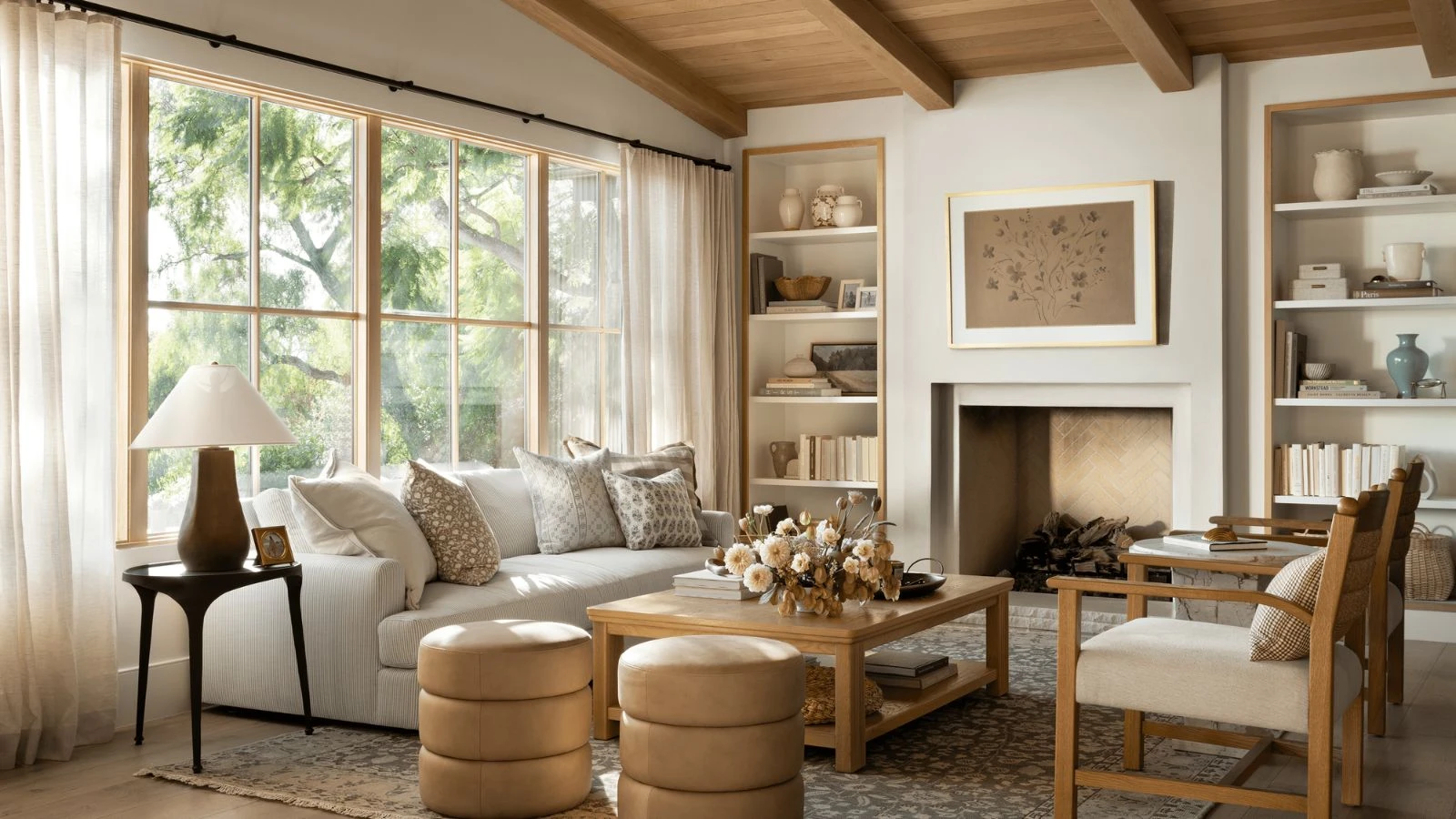 Home & Decors
McGee & Co Review: A Catalogue That Coheres, and Furniture That Does Not Arrive
The Studio McGee catalogue is built so that everything in it sits together, and on décor and textiles the buyers agree. Large furniture is the problem: a $6,000 bed unshipped at six months.
Home & Decors
Home & Decors
McGee & Co Review: A Catalogue That Coheres, and Furniture That Does Not Arrive
The Studio McGee catalogue is built so that everything in it sits together, and on décor and textiles the buyers agree. Large furniture is the problem: a $6,000 bed unshipped at six months.
 Home & Decors
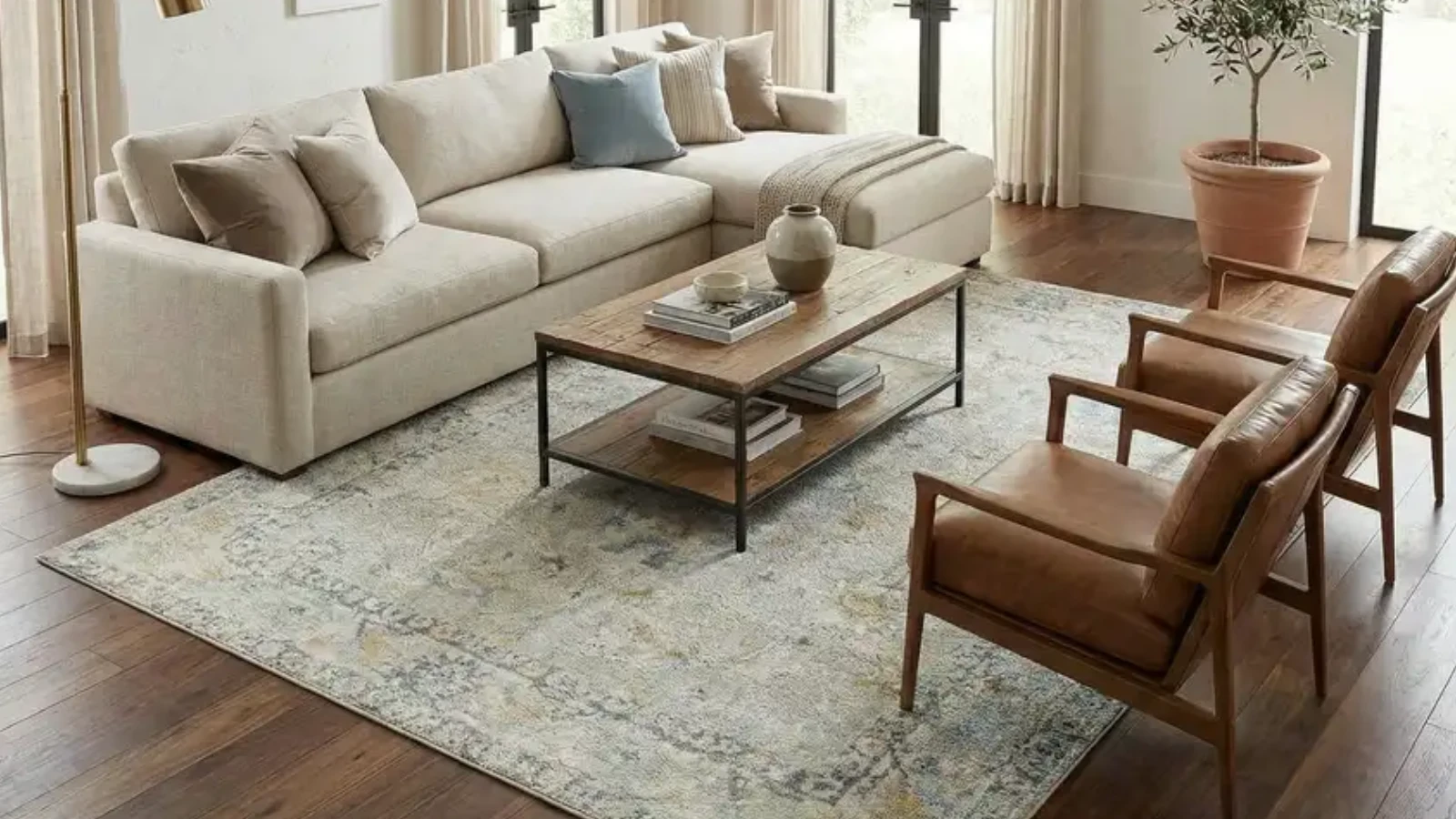
Boutique Rugs Review: Exactly as Pictured, Until You Need to Return One
Buyers keep saying the rug looked exactly like the photograph, which is not the norm in this category. Returns are where it falls down — one damaged rug took three months to refund in part.
Home & Decors
Home & Decors
Boutique Rugs Review: Exactly as Pictured, Until You Need to Return One
Buyers keep saying the rug looked exactly like the photograph, which is not the norm in this category. Returns are where it falls down — one damaged rug took three months to refund in part.
 Home & Decors
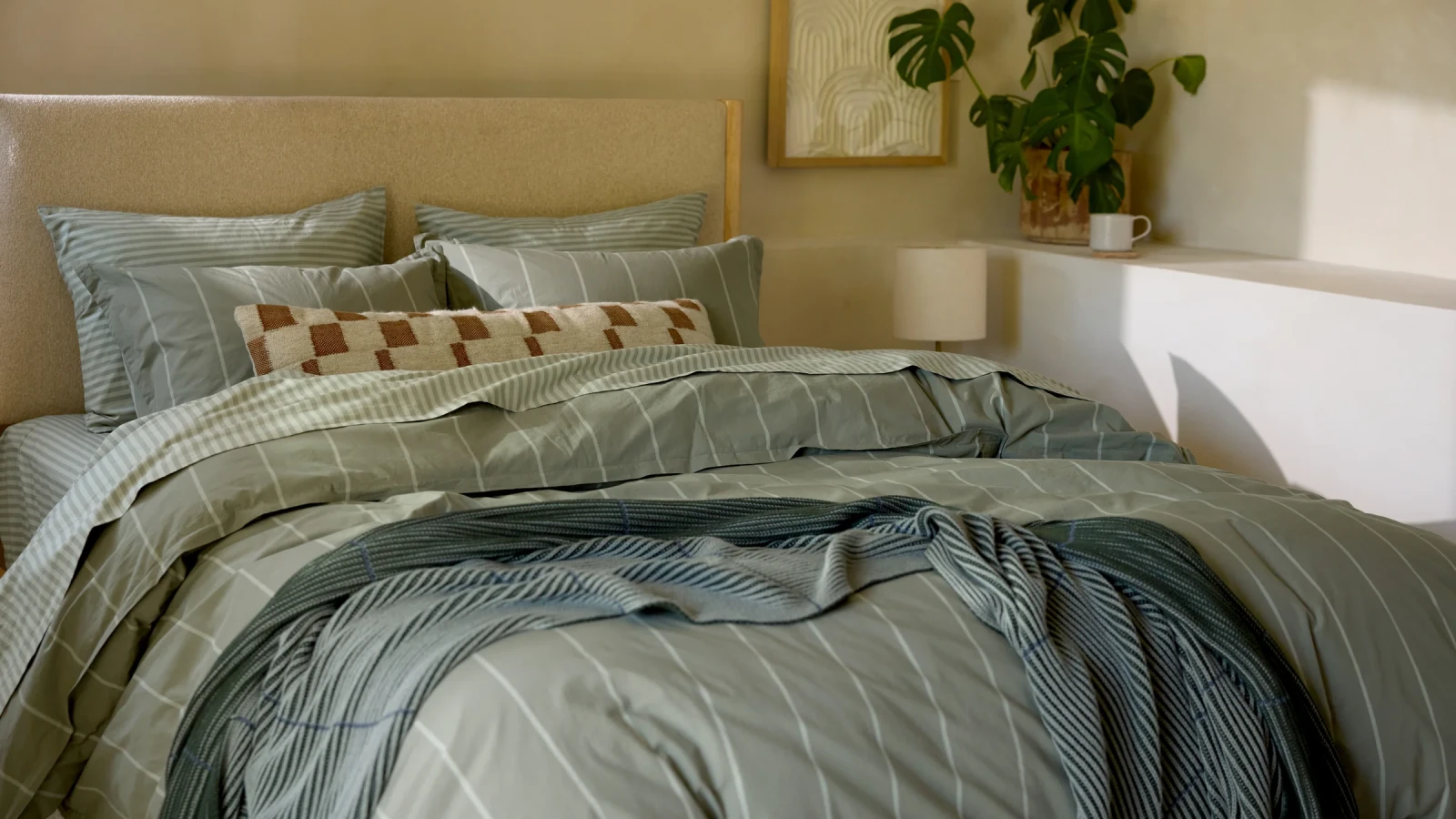
Parachute Home Review: The Luxury Bedding Brand That Polarises on Durability
Brushed cotton buyers talk about these as the best sheets they have owned. Linen is the risk: one $476 set developed holes at two and a half years and customer service declined to help.
Home & Decors
Home & Decors
Parachute Home Review: The Luxury Bedding Brand That Polarises on Durability
Brushed cotton buyers talk about these as the best sheets they have owned. Linen is the risk: one $476 set developed holes at two and a half years and customer service declined to help.