Best Home Decor Ideas Worth Trying — What Actually Makes Rooms Better
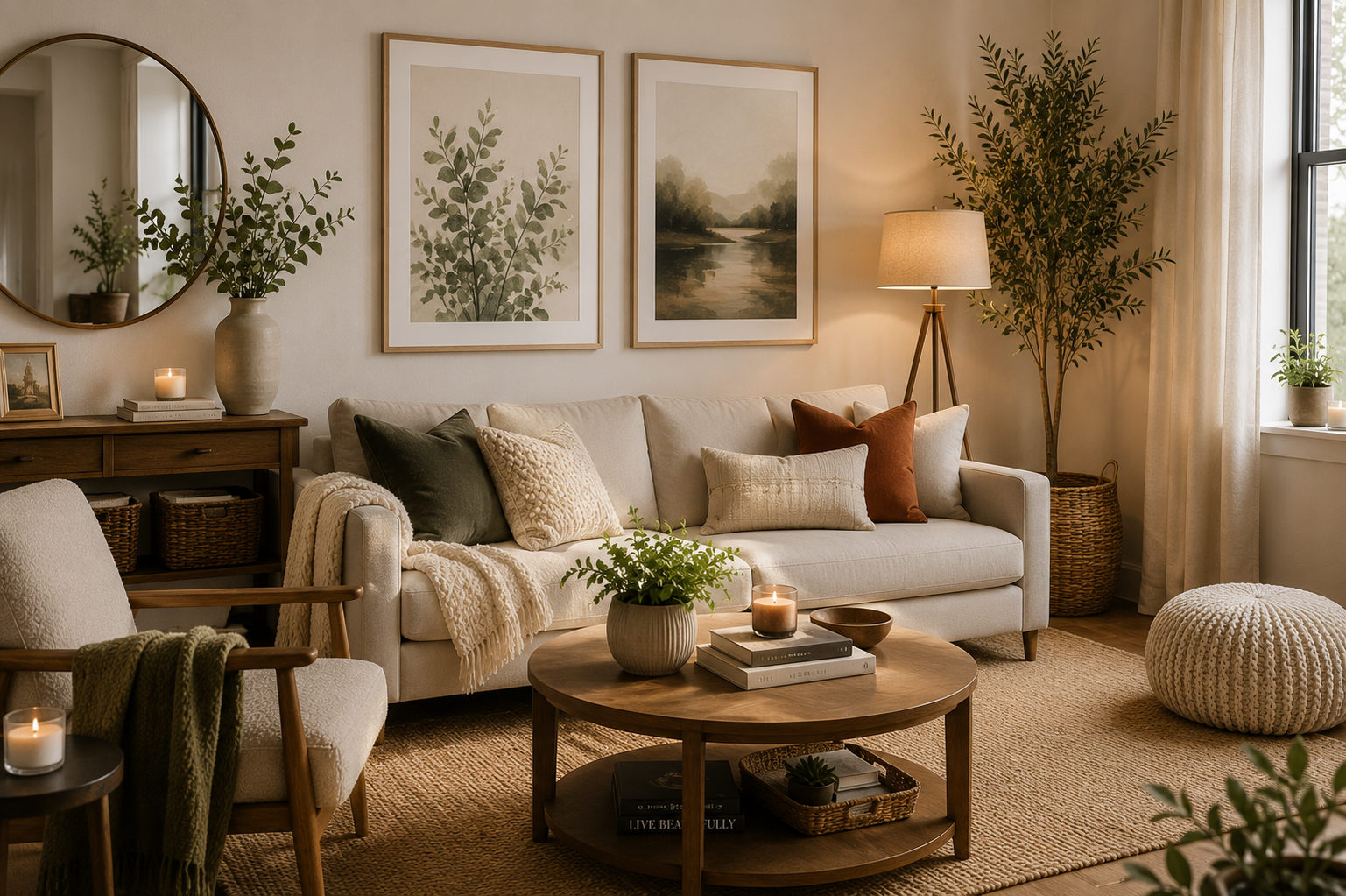
The home decor conversation has a tendency toward the aspirational and the expensive — the renovation that transforms everything, the furniture investment that changes how a room works, the interior designer brief that produces a cohesive vision. These things are real and valuable. They're also not the most consistent route to a home that feels significantly better to live in.
The changes that produce the most consistent improvement per effort and per pound spent are usually smaller and more specific than renovation-scale thinking. They're the decisions that address the actual gaps — the corner that doesn't work, the lighting that's been wrong for years, the sofa that's fine but could be transformed, the wall that's been blank since moving in. Getting these right produces the specific satisfaction of a home that responds to attention, and most of them don't require a contractor.
Products
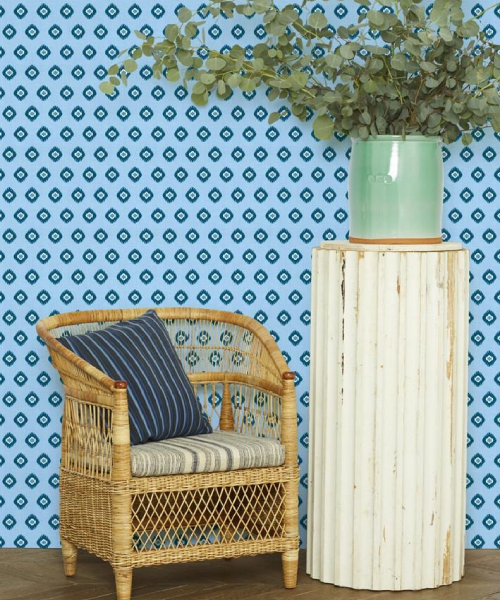
Wallshoppe Statement Print
 Buy Now
A single large Wallshoppe print in the right place does more for a room than most accessory purchases combined. The wall is the largest canvas in any room and the one most consistently undertreated. One genuinely good, properly scaled print creates the focal point that makes a room feel designed — the thing the eye goes to that gives the room a clear center of visual gravity.
- Price: From $85
- Available at: Wallshoppe (wallshoppe.com)
- Best for: Any room that lacks a visual focal point — the single purchase that anchors a space and gives it a reason to read as considered rather than assembled
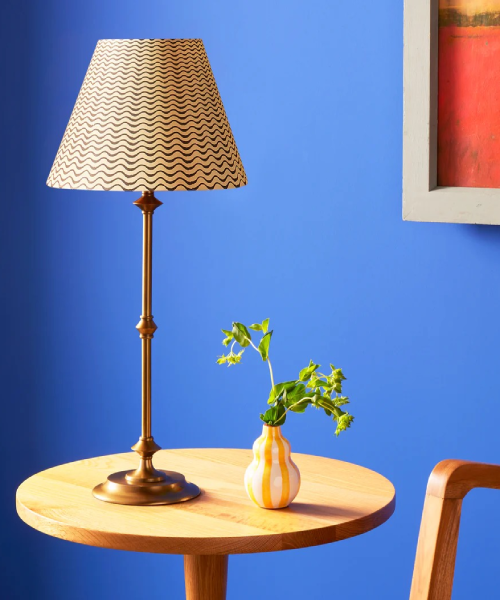
Pooky Table Lamp
 Buy Now
A Pooky lamp in any room immediately changes how that room feels in the evenings. The quality of the shade fabric, the warmth of the ceramic or glass base, and the specific light quality through proper linen rather than synthetic material — these distinctions are felt rather than described. A Pooky lamp in the right location is the addition that guests notice and ask about.
- Price: From £65
- Available at: Pooky (pooky.com)
- Best for: Any room that's lit exclusively by overhead light — the lamp that introduces the warmth and atmosphere that overhead lighting alone can't produce
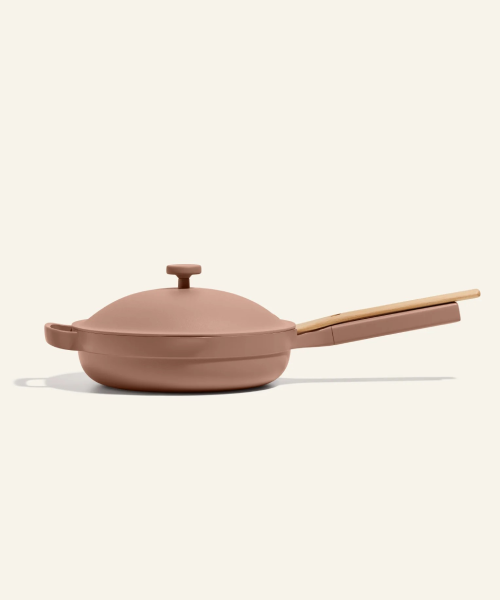
Our Place Always Pan in Displayed Storage
 Buy Now
The Our Place Always Pan in any of the brand's considered colorways is beautiful enough to display on a kitchen surface or hanging rail rather than storing in a cabinet. The color range — the warm terracotta, the sage, the spice, the char — is specifically designed to look right in kitchen environments. Displaying quality cookware treats the kitchen as a designed space rather than a purely functional one, which changes how the room reads considerably.
- Price: $165 / £145
- Available at: Our Place (fromourplace.com)
- Best for: Kitchens where displaying quality cookware contributes to the room's visual interest — the piece that's as much about how the kitchen looks as how it cooks
Bemz Throw Pillow Cover Set
 Buy Now
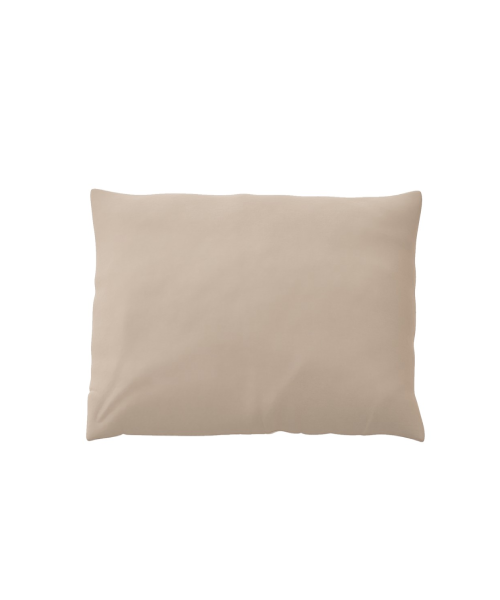
Beyond their sofa covers, Bemz produces a range of cushion covers in their natural fiber fabrics that allow refreshing soft furnishings without replacing furniture. New cushion covers on the sofa or chairs change the visual language of a room in the same way a new cover changes the sofa — immediately and at a fraction of the cost of buying new furniture. The Bemz fabric quality means the cushion covers have the same considered quality as their sofa covers.
- Price: From £35 per cover
- Available at: Bemz (bemz.com)
- Best for: Refreshing the soft furnishing palette of any room without replacing furniture — the lowest-cost visual update that produces immediate and visible results
The Hierarchy of Home Decor Changes
Not all home decor changes produce equal results, and understanding which types of change produce the most visible improvement for the investment is what allows spending deliberately rather than accumulating things that individually seem like good ideas and collectively don't add up to a better room.
The changes with the most consistent impact per investment, in rough order of transformative effect:
Lighting. Already covered in detail, but the hierarchy holds: lighting change produces more room transformation per pound than almost anything else. The lamp that changes how an evening room feels is noticed every single evening. The new cushion is noticed less frequently.
Art and wall treatment. The first large print on the right wall. The gallery arrangement that creates a zone. The mirror that doubles light in a dark hallway. These are visual changes that affect how the room reads to anyone who enters it, which makes them high-visibility investments.
Soft furnishings. New cushion covers, a throw, a rug — these change the color and texture palette of a room without requiring new furniture. The rug specifically is the decor element that defines a seating zone and grounds furniture in a way that bare floor doesn't.
Hardware and small fixtures. Replacing cabinet handles, door knobs, and similar small hardware is the change with the highest impact-to-cost ratio available in most homes. The kitchen that gets new hardware looks noticeably more deliberate without any structural change. Typically costs £30–£100 for an entire kitchen or bathroom.
Plants. Already covered in previous discussions, but their place in the hierarchy is real — a well-placed plant or group of plants changes how a room feels in terms of life and color in ways that are difficult to replicate with objects.
The Rooms Worth Prioritizing
Not every room in a house deserves equal attention, and understanding which rooms to prioritize helps direct the investment where it produces the most value.
The living room is the room that produces the most impact from improvement because it's the room that receives the most deliberate use and social visibility. Guests form impressions of the home based primarily on the living room. The family spends the most intentional time there. Getting the living room right — the lighting, the sofa, the art, the rug — produces the most consistent satisfaction.
The bedroom is the room where the improvement that matters most is different from the living room — it's about quality rather than aesthetic impression. The bedding that produces better sleep, the lighting that supports wind-down, the organization that removes morning stress. These are improvements felt daily through the quality of rest rather than through aesthetic appreciation.
The kitchen has specific constraints — most improvement requires working with the existing layout and cabinetry — but within those constraints, the quality of the cookware, the organization of surfaces, and the small visual details like hardware and displayed objects produce a kitchen that feels like a designed room rather than a functional appliance arrangement.
The One Change Worth Making First in Any Room
The single highest-impact change available in most rooms, based on consistent observation: turning off the overhead light and adding lamps.
This doesn't require buying anything immediately. It requires turning off whatever is currently the main light source and using lamps that already exist in the room, or moving lamps from other rooms temporarily. The difference this makes in the evening is immediate, visible, and free. It demonstrates whether the room needs better lamps or whether it just needs the overhead turned off.
From that starting point, the specific gap becomes clear. The corner that needs a floor lamp. The reading area that needs a table lamp. The dining table that needs a pendant. The gap once identified is specific and addressable with a single purchase rather than a general sense that the room needs work.
Conclusion
Home decor improvement that works is improvement that addresses specific gaps rather than adding things generally. Wallshoppe prints address the specific gap of walls that lack visual focus. Pooky lamps address the specific gap of rooms that lack atmospheric evening lighting. Our Place displayed cookware addresses the specific gap of kitchens that look purely functional. And Bemz cushion covers address the specific gap of soft furnishing palettes that need refreshing. The room that's worth living in is one where someone has identified what it specifically needs and provided it — and none of these changes require renovation budgets or design professionals to achieve.
Every product here was chosen by an editor from the public record — verified buyer reviews, independent testing and the brand’s own documentation — before any commercial conversation happened. If you buy through a link on this page we may earn a commission, at no cost to you, and it never decides what we recommend. Read the full policy.
Editorial Team
Every recommendation on Decor Imperial is researched by our editors from the public record — verified buyer reviews, independent testing, owner communities and the brand’s own documentation — before it appears here. We earn a commission when you buy through our links; no brand sees a review before it is published, and none has ever changed one.
Keep Reading
All stories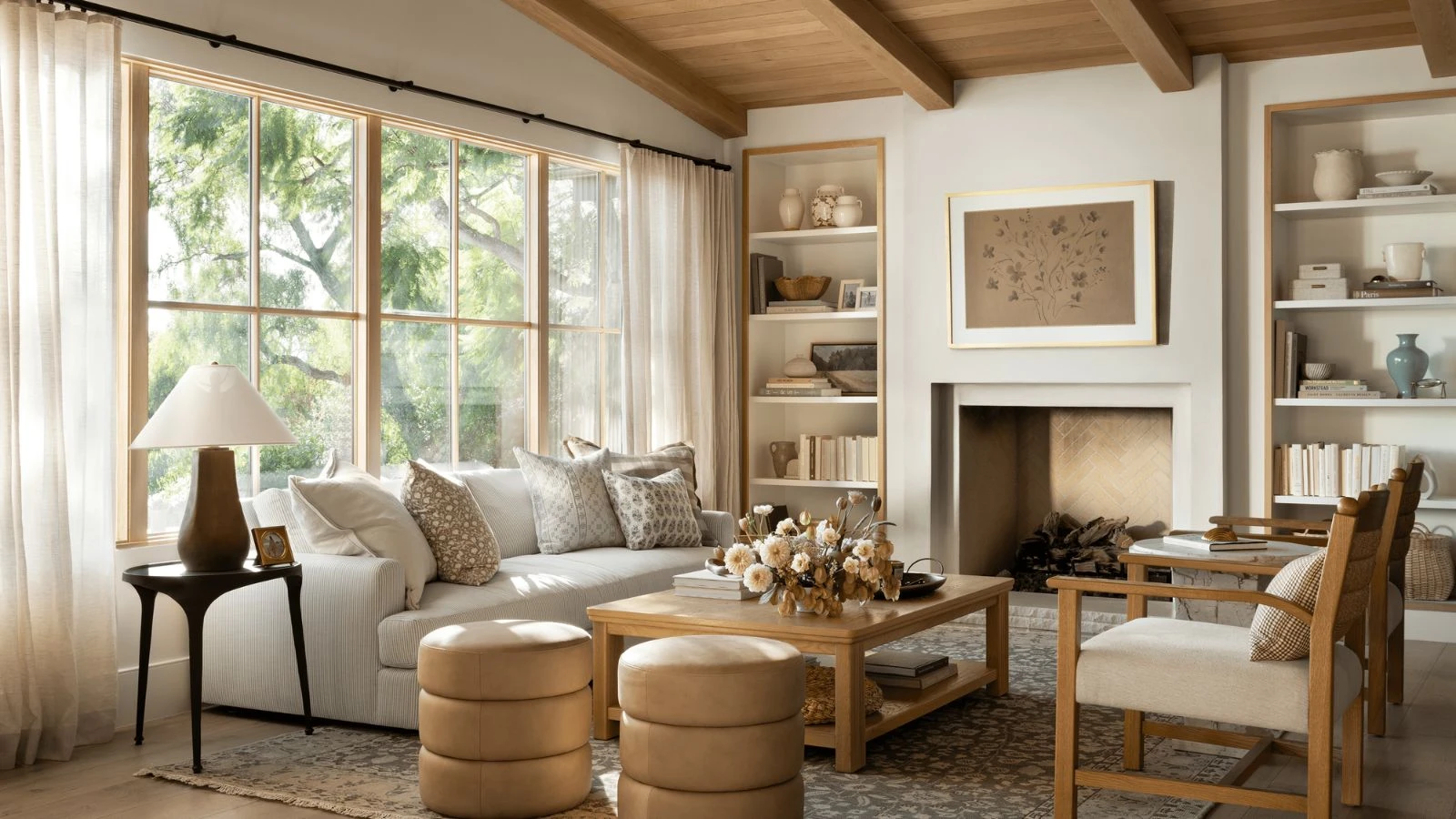 Home & Decors
McGee & Co Review: A Catalogue That Coheres, and Furniture That Does Not Arrive
The Studio McGee catalogue is built so that everything in it sits together, and on décor and textiles the buyers agree. Large furniture is the problem: a $6,000 bed unshipped at six months.
Home & Decors
Home & Decors
McGee & Co Review: A Catalogue That Coheres, and Furniture That Does Not Arrive
The Studio McGee catalogue is built so that everything in it sits together, and on décor and textiles the buyers agree. Large furniture is the problem: a $6,000 bed unshipped at six months.
 Home & Decors
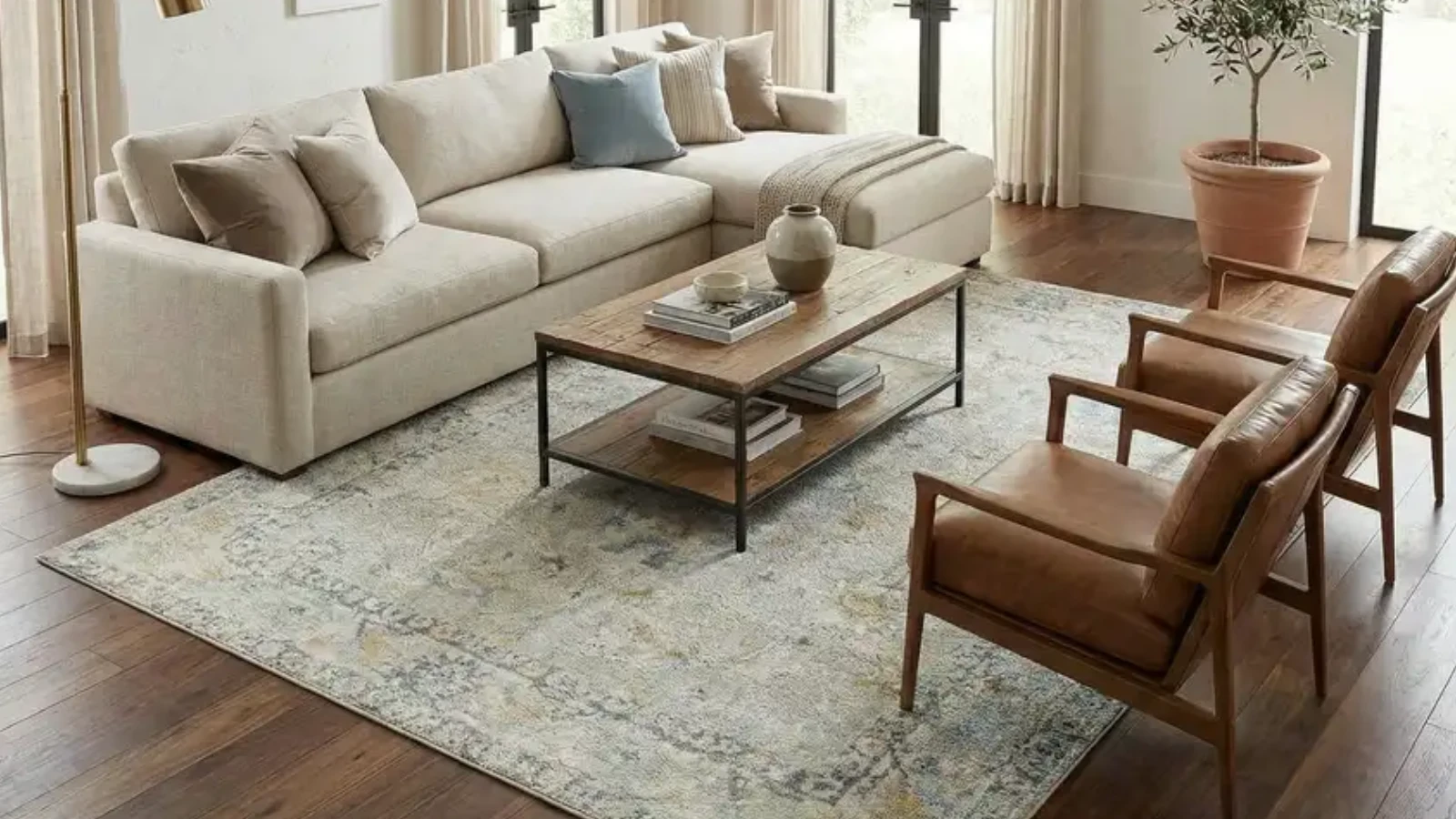
Boutique Rugs Review: Exactly as Pictured, Until You Need to Return One
Buyers keep saying the rug looked exactly like the photograph, which is not the norm in this category. Returns are where it falls down — one damaged rug took three months to refund in part.
Home & Decors
Home & Decors
Boutique Rugs Review: Exactly as Pictured, Until You Need to Return One
Buyers keep saying the rug looked exactly like the photograph, which is not the norm in this category. Returns are where it falls down — one damaged rug took three months to refund in part.
 Home & Decors
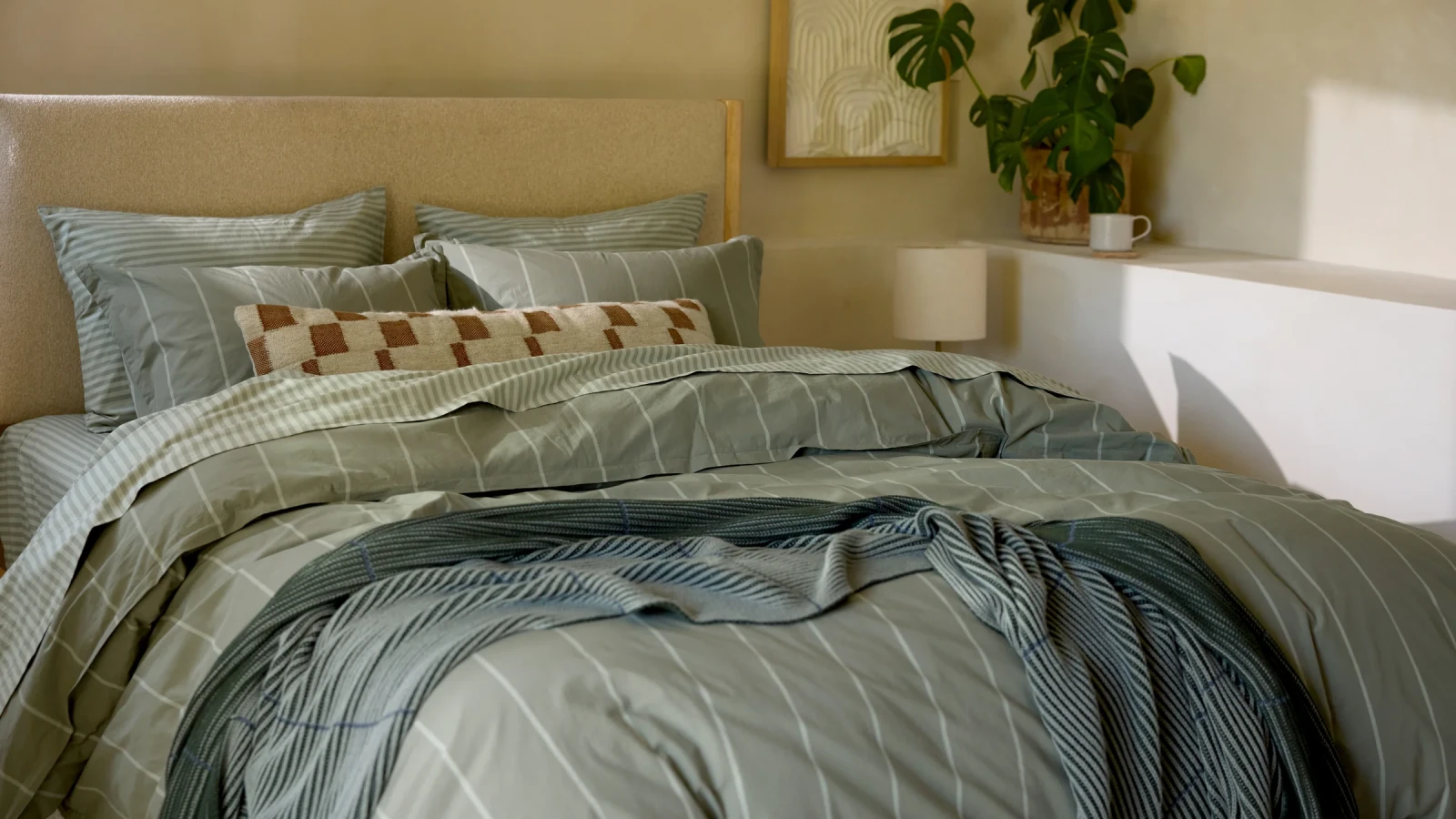
Parachute Home Review: The Luxury Bedding Brand That Polarises on Durability
Brushed cotton buyers talk about these as the best sheets they have owned. Linen is the risk: one $476 set developed holes at two and a half years and customer service declined to help.
Home & Decors
Home & Decors
Parachute Home Review: The Luxury Bedding Brand That Polarises on Durability
Brushed cotton buyers talk about these as the best sheets they have owned. Linen is the risk: one $476 set developed holes at two and a half years and customer service declined to help.