Best Family Products Worth Buying — The Annual Round-Up That's Actually Useful
The family products category is enormous and heavily marketed toward parents who are anxious about making the right choices for their children. Most of the marketing exploits this anxiety rather than informing it — the developmental toy that will accelerate learning, the screen-free system that will transform attention, the financial education tool that will produce the next generation of financially literate adults. Some of these claims have substance. Most are more modest than the marketing implies.
What follows is the honest annual round-up based on evidence of what genuinely improves daily family life rather than what has been most successfully marketed to parents this year.
Products
Yoto Player — Screen-Free Entertainment Winner
 Buy Now
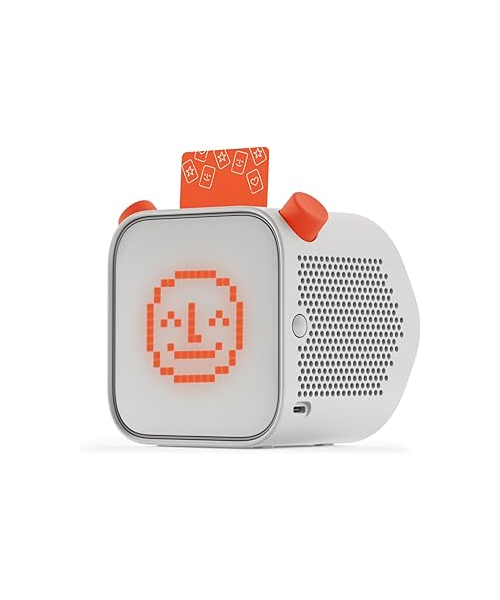
The Yoto Player earns the screen-free entertainment recommendation for the second year running because the two-year ownership evidence shows it continues to be used daily rather than becoming the novelty that most children's devices become after a few months. The specific qualities that produce this sustained engagement: the child's agency in selecting content through physical cards, the gradually building card collection that the child relates to as a personal library, and the sleep sounds functionality that makes it practically useful in the bedtime routine rather than purely recreational.
- Available at: Yoto (yotoplay.com), John Lewis, Amazon
- Best for: Children aged 2–12 — the device that produces sustained engagement beyond novelty through the physical card system and functional sleep content
Greenlight — Financial Education Winner
 Buy Now
Greenlight earns the financial education recommendation because the year-one evidence from families who engage actively with the system shows genuine financial literacy development — the concrete understanding of money as a finite resource, the connection between work and reward, the experience of savings goals being achieved through deferred spending. The $5.99 monthly cost produces the most consistent financial education outcome of any children's product at any price point when the system is actively used.
- Available at: Greenlight (greenlight.com)
- Best for: Families with children old enough to manage money who will engage actively with the system — the financial education tool that delivers through parental engagement
Guava Lotus — Travel Winner
 Buy Now
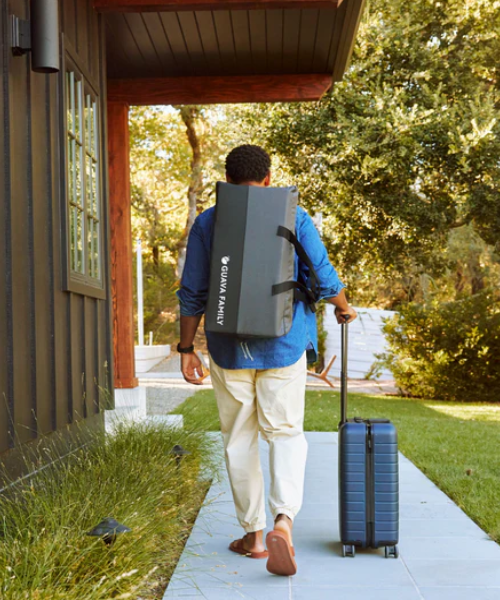
The Guava Lotus earns the family travel recommendation for its specific solution to the travel cot problem — the backpack format and sixty-second setup that change the logistics of family travel with young children more significantly than any other single product in the category. For families who travel regularly with children under three, the quality-of-life improvement compounds across every trip it accompanies.
- Available at: Guava Family (guavafamily.com)
- Best for: Regularly traveling families with children under three — the travel product with the highest quality-of-life improvement per dollar for this specific household profile
SkyBound/Zupapa Trampoline — Outdoor Time Winner
 Buy Now
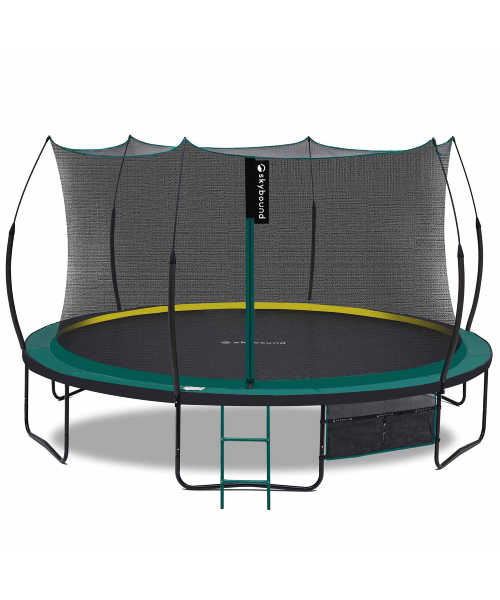
The garden trampoline earns the outdoor activity recommendation because the daily outdoor use it produces without adult facilitation is the specific outcome that every other outdoor activity investment is trying to achieve through more planning-dependent means. Children with trampolines go outside more than children without them, and that outdoor time produces the specific health, attention, and mood benefits that most parents are trying to engineer through scheduled activities. SkyBound for maximum durability; Zupapa for the value calculation.
- Available at: SkyBound (skyboundusa.com); Zupapa (Amazon)
- Best for: Families with garden space — the outdoor infrastructure investment with the highest daily-use return of any outdoor product
What Didn't Earn Its Recommendation This Year
The honest counterpart to the round-up: the family products that were heavily marketed but didn't produce consistent positive outcomes in the evidence from real family use.
Educational toys that promised specific developmental outcomes: most educational toy claims are more marketing than evidence, and the specific developmental benefits that justify premium prices are often achievable through unstructured play with lower-cost alternatives.
Subscription boxes for children: the novelty of the monthly arrival wears off faster for children than the subscription continues, and the specific value of each month's contents is variable enough that the subscription economics are harder to justify than the initial monthly price suggests.
Screen time management apps and devices: the evidence for these producing the intended screen time reduction is weak enough that the investment in managing screen time through products is less effective than the behavioral and environmental changes (removing screens from bedrooms, charging devices outside children's rooms) that require no product purchase.
The Family Investment Mindset
The family products worth buying are those that produce consistent daily value across the full ownership period — not just the novelty period. The Yoto still used daily after two years. The Greenlight still producing financial conversations after a year. The trampoline still the first place children go when they come home after school in the third season. These are the products that earn their price through consistent return rather than exciting initial impressions.
The family products that don't earn their price have the opposite pattern — the impressive initial engagement that declines to occasional use and then to the specific shame of an expensive purchase sitting unused. Understanding which pattern a product is likely to follow requires looking at the long-term ownership evidence rather than the first-month reviews.
Conclusion
The family products worth buying in 2026 are those with documented long-term engagement rather than impressive short-term novelty. Yoto earns the screen-free entertainment position through sustained daily use evidence. Greenlight earns the financial education position through the genuine behavioral changes active users report. The Guava Lotus earns the family travel position through the specific logistics improvement it produces for families who travel regularly. And the garden trampoline — SkyBound for maximum durability, Zupapa for the value calculation — earns the outdoor activity position through the daily use it produces without any adult facilitation. These are the products worth spending money on because they provide the return that their price requires across the full ownership period rather than just the first month.
Every product here was chosen by an editor from the public record — verified buyer reviews, independent testing and the brand’s own documentation — before any commercial conversation happened. If you buy through a link on this page we may earn a commission, at no cost to you, and it never decides what we recommend. Read the full policy.
Editorial Team
Every recommendation on Decor Imperial is researched by our editors from the public record — verified buyer reviews, independent testing, owner communities and the brand’s own documentation — before it appears here. We earn a commission when you buy through our links; no brand sees a review before it is published, and none has ever changed one.
Keep Reading
All stories Lifestyle
NordicTrack Review: iFIT Changes Everything, the Support Record Does Not
iFIT is the reason people who never stuck at running stick at it. Then there is the company behind the machine — a Better Business Bureau rating of 1.3 stars.
Lifestyle
Lifestyle
NordicTrack Review: iFIT Changes Everything, the Support Record Does Not
iFIT is the reason people who never stuck at running stick at it. Then there is the company behind the machine — a Better Business Bureau rating of 1.3 stars.
 Lifestyle
Minted Review: The Crowdsourced Design Platform With Genuine Artist Quality — And a Customer Service Decline Worth Knowing
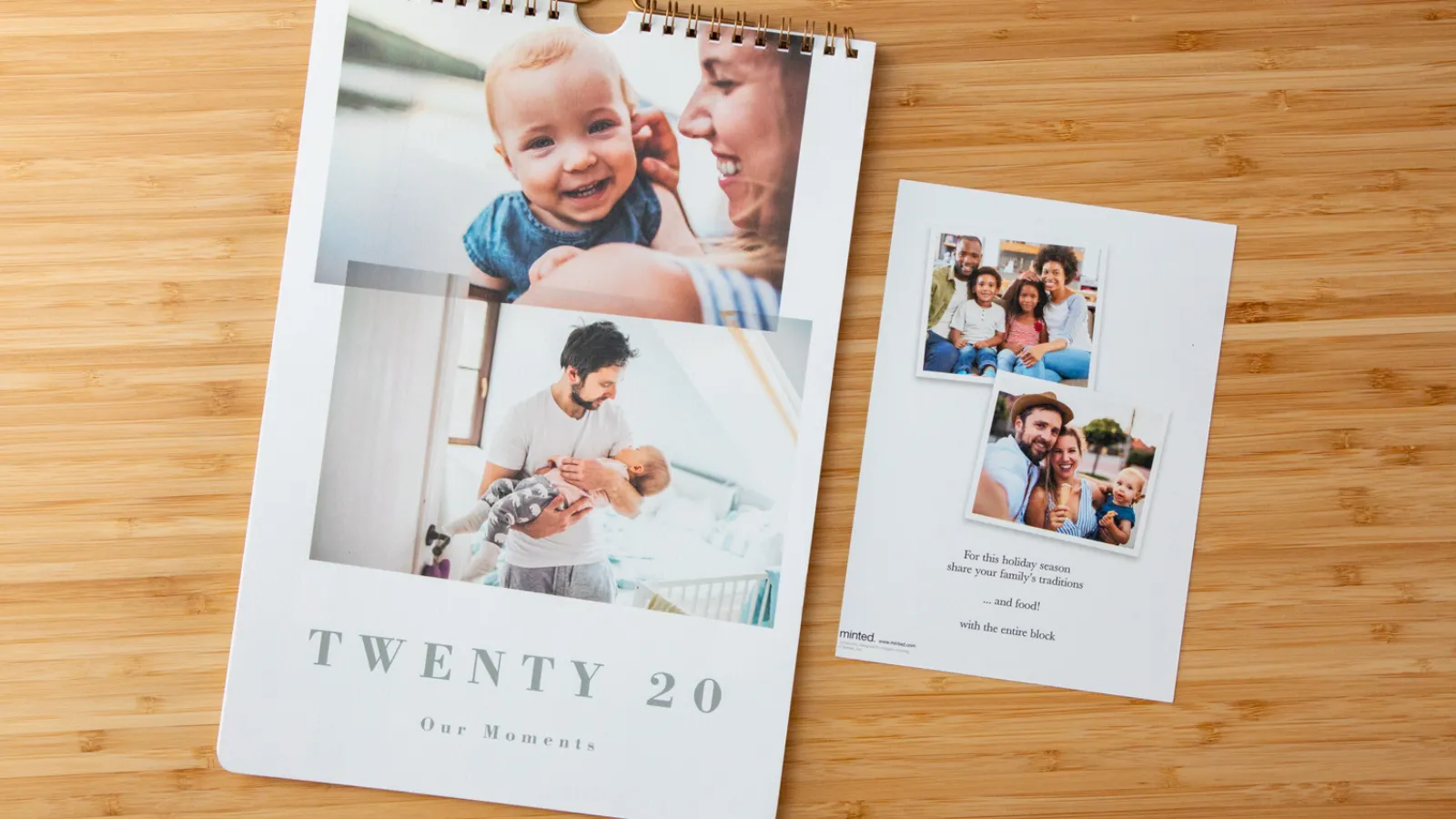
Sixteen thousand independent artists and a community vote before anything gets printed — a genuine filter, not a marketplace. Proof your order: one batch arrived carrying another family's photographs.
Lifestyle
Lifestyle
Minted Review: The Crowdsourced Design Platform With Genuine Artist Quality — And a Customer Service Decline Worth Knowing
Sixteen thousand independent artists and a community vote before anything gets printed — a genuine filter, not a marketplace. Proof your order: one batch arrived carrying another family's photographs.
 Lifestyle
Hill House Home Honest Review — Is the Aesthetic Worth the Price?
The percale sheets are the Hill House Home product I'd recommend most confidently.
Lifestyle
Lifestyle
Hill House Home Honest Review — Is the Aesthetic Worth the Price?
The percale sheets are the Hill House Home product I'd recommend most confidently.