Best Bedding for Hot Sleepers Worth Buying — What Actually Keeps You Cool Through the Night
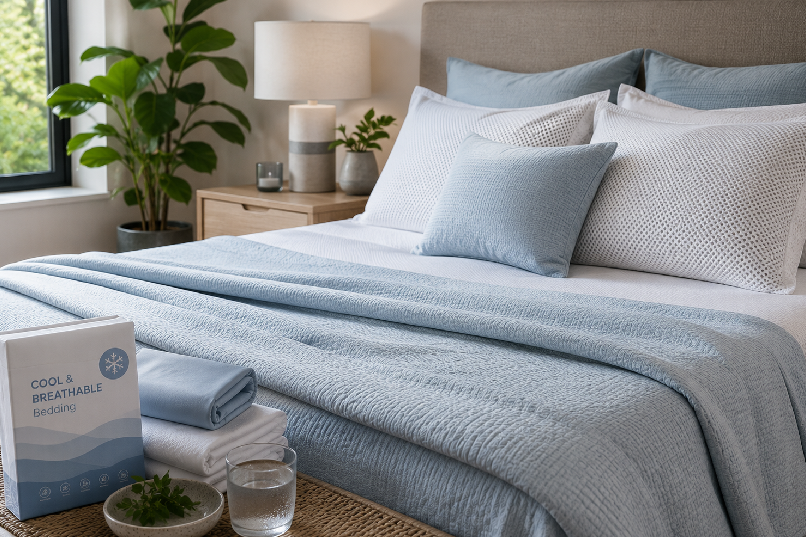
Hot sleeping is one of the most consistently mismanaged sleep quality problems because the solutions most people try — a lighter duvet, kicking off the covers, sleeping with a window open — address the symptom rather than the mechanism. The symptom is waking too warm. The mechanism is that the bedding system isn't managing heat and moisture at the sleep surface, so heat accumulates until it's uncomfortable enough to wake the sleeper.
A lighter duvet reduces the total insulation, which helps in the sense that less insulation produces less warmth. But it doesn't address moisture management — the specific combination of body heat and perspiration accumulating against the skin that produces the clammy warmth that characterizes hot sleeping. The bedding that genuinely solves this is not just lighter — it actively manages the moisture and heat at the sleep surface rather than passively reducing insulation.
Products
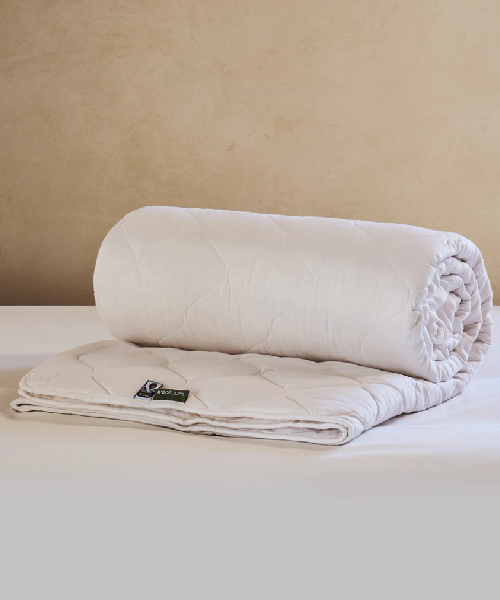
The Wool Room 4.5 Tog Summer Wool Duvet
 Buy Now
The 4.5 tog wool duvet is the specific product that addresses hot sleeping through material properties rather than just reduced insulation. The wool fill manages moisture at the sleep surface — absorbing up to 30% of its weight in moisture before feeling damp and releasing it gradually as temperature changes — which prevents the clammy heat accumulation that synthetic duvets produce. At 4.5 tog the insulation level is appropriate for warm weather without being the thermal barrier that heavier options create, and the active moisture management makes this 4.5 tog duvet more effective for hot sleepers than a comparable synthetic duvet at the same weight.
- Available at: The Wool Room (thewoolroom.com)
- Best for: Hot sleepers who want the most effective natural fiber solution for summer and warm nights — the low-tog wool duvet that manages moisture as well as reducing insulation
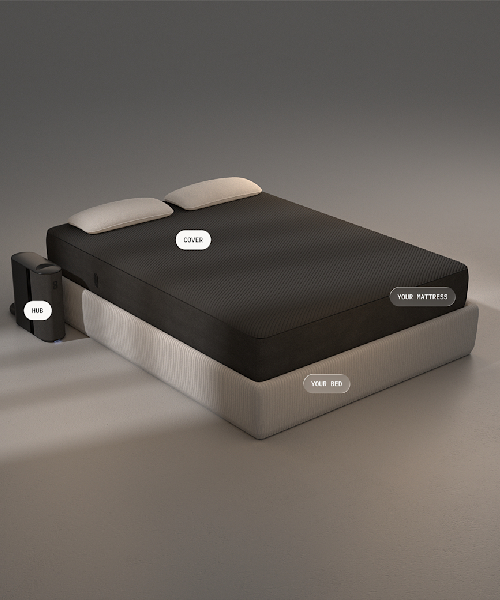
Eight Sleep Pod for Active Cooling
 Buy Now
The Eight Sleep Pod is the technology solution for hot sleeping that goes beyond any passive bedding intervention — the active cooling channels in the Pod cover reduce the sleep surface temperature to a set point and maintain it through the night regardless of body heat generation. For hot sleepers whose temperature problem persists through passive bedding changes, the Pod is the direct intervention at the source rather than an attempt to manage the symptom with progressively lighter bedding.
- Available at: Eight Sleep (eightsleep.com)
- Best for: Hot sleepers for whom passive natural fiber management is insufficient — the active cooling solution for significant sleep temperature problems
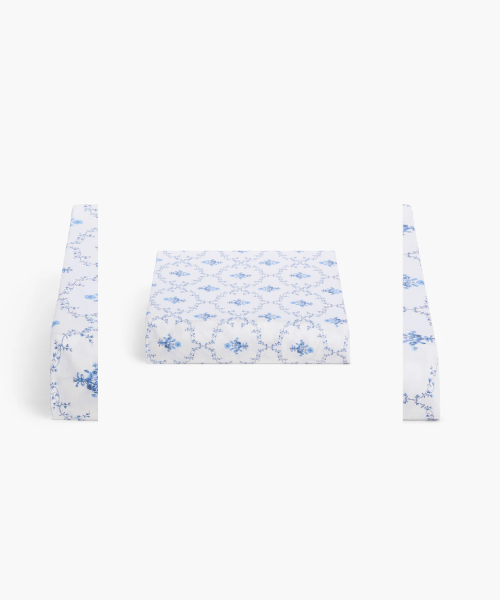
Hill House Home Percale Sheets for Hot Sleepers
 Buy Now
The percale weave is specifically the right sheet choice for hot sleepers because the one-over-one-under plain weave is the most breathable cotton construction available in mainstream bedding. Sateen, by comparison, has a tighter surface weave that reduces breathability — appropriate for cool sleepers who want a slightly warmer sheet, not appropriate for hot sleepers. Hill House Home's percale in the lightest weight option provides the maximum breathability available from quality cotton sheets.
- Available at: Hill House Home (hillhousehome.com)
- Best for: Hot sleepers who want the most breathable quality cotton sheets — the percale weave that maximizes airflow compared to sateen alternatives
The Hot Sleeping Mechanism — Why Simple Solutions Fail
The reason that kicking off the covers or sleeping with a lighter synthetic duvet often doesn't produce the sleep quality improvement that hot sleepers expect is that these solutions address insulation without addressing moisture management.
During sleep, the body generates heat through normal metabolic activity. This heat needs to dissipate to maintain the lower core body temperature that deep sleep requires. In the right bedding system, the heat dissipates through the bedding layer and into the ambient room air. In the wrong bedding system, the heat accumulates between the body and the bedding — and is joined by the perspiration that the body produces as it attempts to cool itself — creating the clammy warmth that wakes hot sleepers.
A lighter synthetic duvet reduces the insulation but doesn't provide any mechanism for managing the moisture that accumulates. The result is that hot sleepers are often still waking warm despite using a very light duvet because the moisture management problem persists regardless of the tog rating.
Wool addresses this through fibre properties that allow moisture absorption — the wool draws the moisture away from the skin surface rather than allowing it to accumulate. This is the mechanism that makes a 9 tog wool duvet sometimes more comfortable for a hot sleeper than a 4.5 tog synthetic, which seems counterintuitive until the moisture management mechanism is understood.
Room Temperature vs Bedding Temperature
The ambient room temperature and the sleep surface temperature are related but distinct variables, and optimizing one without the other produces partial improvement.
The ideal ambient bedroom temperature for sleep is generally cited as 16–19°C. This provides the cool environment that supports core body temperature reduction during sleep onset. A warm room — above 20°C — makes sleep onset harder and increases the likelihood of waking during the night.
The sleep surface temperature — what the body is in contact with through the bedding — is influenced by the ambient temperature but also by the bedding's own thermal properties. A room at 17°C with a high-insulation synthetic duvet can still produce a warm sleep surface because the duvet traps body heat against the skin. A room at 17°C with a wool duvet at the right tog produces a sleep surface that stays comfortably cool because the wool manages the moisture and heat rather than trapping it.
The intervention priority: room temperature first (cool the room to the optimal range), then bedding (choose the material that manages rather than traps heat). The Eight Sleep Pod is the intervention that manages the sleep surface temperature independently of both room temperature and bedding material.
Conclusion
The best bedding for hot sleepers in 2026 is the bedding that manages moisture and heat at the sleep surface rather than simply reducing insulation. The Wool Room's 4.5 tog summer wool duvet provides the natural fiber moisture management that synthetic alternatives at any tog rating don't offer. Duckworth's fine-staple Rambouillet wool provides the same mechanism with the additional comfort of the finest natural wool fibre. Eight Sleep's active cooling Pod addresses the problem at its source for those whose temperature disruption is significant enough to require technology rather than material intervention. And Hill House Home's percale sheets provide the maximum sheet breathability available in quality cotton. Used together — the wool duvet, the percale sheets, and if needed the Pod — these products constitute the most effective hot sleeper bedding system available without pharmaceutical intervention.
Every product here was chosen by an editor from the public record — verified buyer reviews, independent testing and the brand’s own documentation — before any commercial conversation happened. If you buy through a link on this page we may earn a commission, at no cost to you, and it never decides what we recommend. Read the full policy.
Editorial Team
Every recommendation on Decor Imperial is researched by our editors from the public record — verified buyer reviews, independent testing, owner communities and the brand’s own documentation — before it appears here. We earn a commission when you buy through our links; no brand sees a review before it is published, and none has ever changed one.
Keep Reading
All stories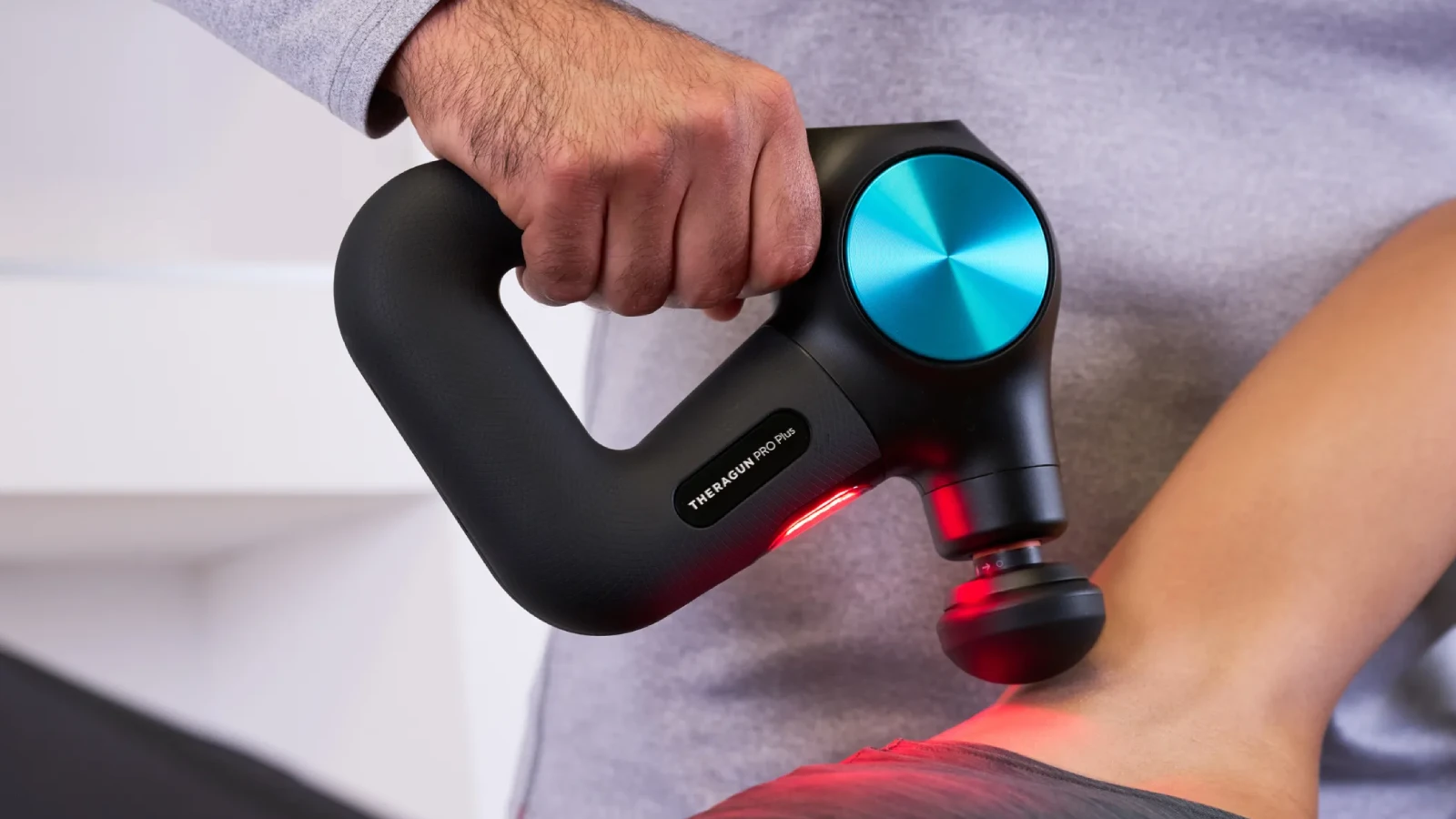 SLEEP & WELLNESS
Therabody Review: The Category-Defining Percussion Massager With a Quality Consistency Concern
Five years of daily use on one Theragun Pro, and the owner still reaches for it. The cheaper line has not held up: a Prime Plus failed at three months and its replacement soon after.
SLEEP & WELLNESS
SLEEP & WELLNESS
Therabody Review: The Category-Defining Percussion Massager With a Quality Consistency Concern
Five years of daily use on one Theragun Pro, and the owner still reaches for it. The cheaper line has not held up: a Prime Plus failed at three months and its replacement soon after.
 SLEEP & WELLNESS
Best Sleep Investment Worth Making — Where to Spend for Genuine Improvement
Sleep investment is worth thinking about as a category because the returns are both immediately felt — the morning after a good night is immediately different from the morning after a poor one — and cumulatively
SLEEP & WELLNESS
SLEEP & WELLNESS
Best Sleep Investment Worth Making — Where to Spend for Genuine Improvement
Sleep investment is worth thinking about as a category because the returns are both immediately felt — the morning after a good night is immediately different from the morning after a poor one — and cumulatively
 SLEEP & WELLNESS
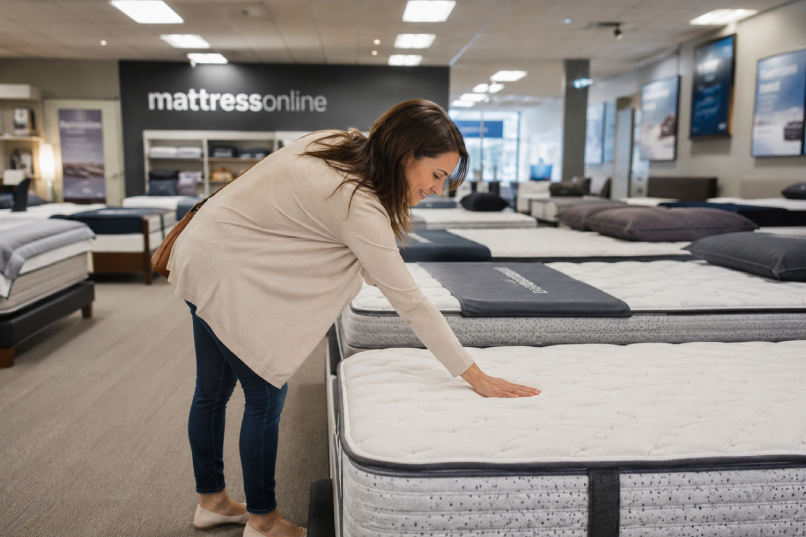
Mattress Online Honest Review — Is the Multi-Brand Retailer Worth Using?
Silentnight is one of the UK's most established mattress manufacturers with production history stretching back decades and a quality track record that the DTC brands haven't accumulated.
SLEEP & WELLNESS
SLEEP & WELLNESS
Mattress Online Honest Review — Is the Multi-Brand Retailer Worth Using?
Silentnight is one of the UK's most established mattress manufacturers with production history stretching back decades and a quality track record that the DTC brands haven't accumulated.