Color Drenching Bedroom Ideas for a Cozy Room That Doesn’t Feel Too Dark

Introduction

Color drenching is one of those trends that looks amazing when someone else does it.


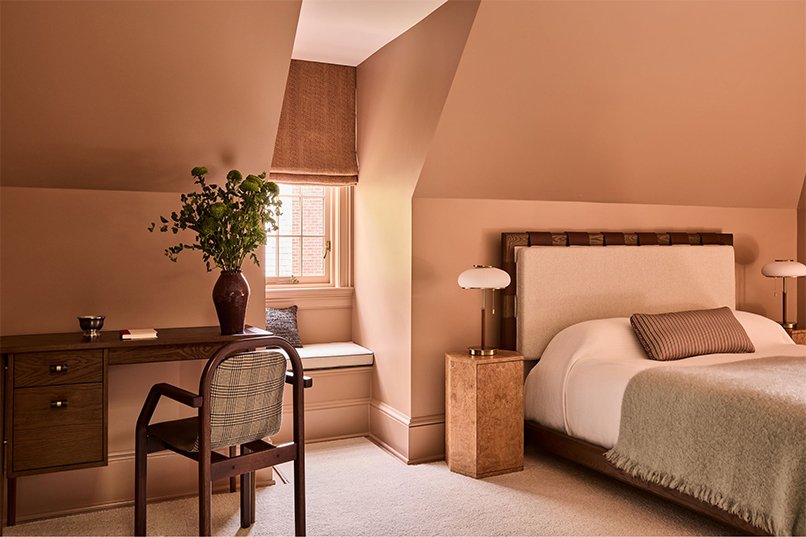
You see a bedroom painted in one soft olive, deep blue, warm brown, or dusty rose. The walls match the trim. The door disappears into the color. Sometimes even the ceiling is painted too. The whole room looks calm, cozy, and expensive.


Then you think about doing it in your own bedroom, and suddenly it feels like a big decision.


Because paint is not like changing a pillow cover. If you pick the wrong color, you have to live with it every morning, every night, and every time the room is messy. And bedrooms are rarely perfect in real life. There’s usually a charger near the bed, a laundry pile somewhere, a chair holding clothes, and maybe one corner you keep pretending you’ll organize soon.


That’s why color drenching bedroom ideas need to be practical. The goal is not just to follow a trend. The goal is to make your bedroom feel warmer, softer, and more finished without making it feel like a dark box.


Color drenching can look beautiful. You just have to choose the color slowly and think about the whole room, not only the walls.

Quick Answer

Color drenching means using one color across the walls, trim, doors, and sometimes the ceiling.


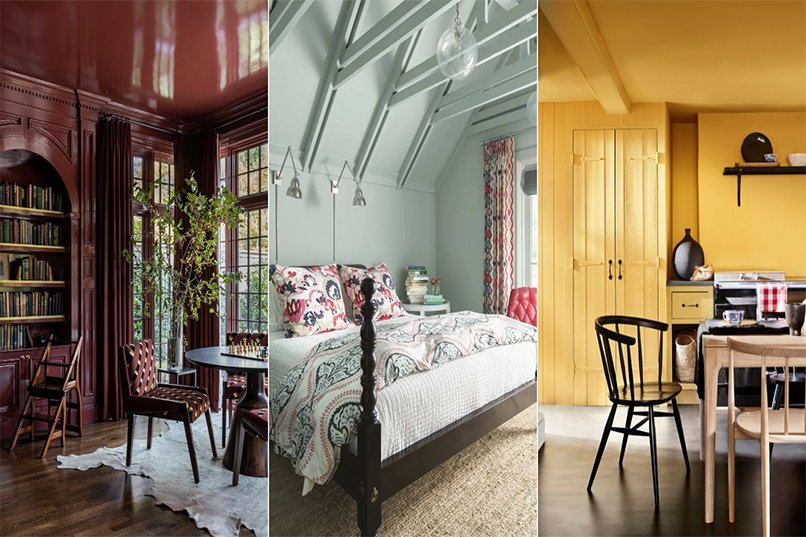
For a bedroom, softer shades usually work best. Sage, dusty blue, warm taupe, olive, clay, mushroom, muted burgundy, and chocolate brown can all feel cozy when styled well.


If you’re nervous, start with the walls and trim first. You can always paint the ceiling later if the room feels right.

Color Drenching Bedroom Ideas for a Cozy Room That Doesn’t Feel Too Dark

Why This Topic Is Trending Right Now

People are getting bored of bedrooms that feel too plain.


White walls are safe. Gray walls are safe. Beige is easy. But sometimes a safe bedroom still feels unfinished, even after you add bedding, lamps, and wall art.


Color drenching feels different because it gives the whole room one clear mood. Instead of one accent wall doing all the work, the color wraps around the space. It can make a basic room feel more thoughtful, even if the furniture is simple.


It also fits the way people want bedrooms to feel right now. Less cold. Less showroom. More cozy. More personal. More like a place where you can actually rest at the end of the day.


But people are also cautious, and that makes sense. A bold paint trend can look beautiful online and feel completely different in a small bedroom with one window and normal furniture.


So this trend is not just about picking a pretty color. It’s about choosing a color you can live with.

Pick a Color That Feels Good in Real Life

The color is the biggest decision.


With color drenching, you’re not adding a little pop of color. You’re using the color everywhere, or almost everywhere. So it has to be something you’ll still like when the room is not styled perfectly.


Soft, muted colors are usually easier to live with.


Sage green feels calm.
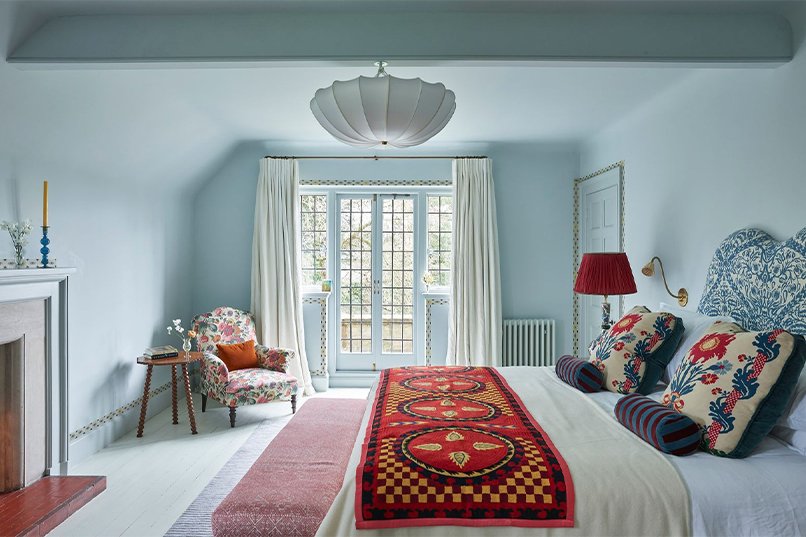
Dusty blue feels restful.
Mushroom and taupe feel warm but still neutral. 


Olive green feels cozy and a little moody.
Clay and terracotta bring warmth without going too dark.
Chocolate brown can feel rich if the room has good light.
Muted burgundy can feel romantic, but it needs balance.


Very bright colors are harder in a bedroom. A strong red, bright yellow, or sharp blue might look fun for a few days, but it can feel tiring when you’re trying to relax.


A bedroom color should not fight with you. It should make the room feel easier to be in.


Paint samples are really important here. Don’t choose from a tiny card at the store and hope for the best. Paint a bigger patch on at least two walls. Then look at it in the morning, afternoon, and at night.


A color can change a lot. Beige can turn pink. Green can look gray. Blue can feel colder than expected. Brown can look beautiful in daylight and too heavy at night.


The sample will tell you what the color actually does in your room.

You Don’t Have to Paint the Ceiling Right Away

A lot of people think color drenching means painting absolutely everything.


Walls. Trim. Door. Ceiling. Built-ins. Everything.


That is one way to do it, but it’s not the only way.


If you’re nervous, start smaller. Paint the walls and trim the same color first. This already gives the bedroom a smoother look because the trim doesn’t cut the room into pieces.


Then you can decide about the door. Painting the door the same color can make the room feel more finished, especially if the white door feels too bright against the walls.


The ceiling is the boldest part. When the ceiling matches the walls, the room can feel wrapped and cozy. It can be beautiful, especially in a bedroom with warm lamps and soft bedding.


But it can also feel like too much if the room is small, low, or dark.


So don’t rush it.


Live with the walls and trim for a little while. See how the room feels at night. If the ceiling starts looking too bright or disconnected, then think about painting it too.


You can also paint the ceiling a lighter version of the wall color. That gives a softer look without making the room feel too closed in.


Color drenching doesn’t have to be dramatic to work. Sometimes the quieter version looks better in a real home.

The Paint Finish Makes a Difference

Paint finish is not the exciting part, but it matters.


When the whole room is one color, the finish keeps everything from looking flat.


For bedroom walls, matte or eggshell usually looks soft and calm. It doesn’t reflect too much light, and it feels nicer than a shiny wall.


For trim and doors, satin is often a better choice because it’s easier to wipe and gives just a little bit of contrast. The color can still be the same, but the slight change in finish makes the room feel more layered.


For ceilings, flat or matte is usually safest. A shiny ceiling can reflect light strangely, especially at night.


This is one of those small details that makes a color drenched bedroom look intentional instead of rushed.


If you’re unsure, ask the paint store what finish they recommend for each surface. It’s better than guessing and regretting it later.

Color Drenching Bedroom Ideas for a Cozy Room That Doesn’t Feel Too Dark

Let the Bedding Calm the Room Down

Once the walls are painted, the bed becomes even more important.


The bed is the biggest soft surface in the room. It can either balance the paint color or make the whole room feel too heavy.


If you choose a dark color for the walls, keep the bedding lighter. Cream, warm white, oatmeal, beige, soft tan, or washed linen can make the room feel softer.


If the walls are a lighter shade, you can bring in more depth with pillows, a quilt, or a throw blanket.


For example, olive walls with cream bedding can feel cozy and calm. Dusty blue walls with warm white bedding can feel peaceful. Chocolate brown walls with beige bedding and a soft lamp can feel rich without being too dark.


Try not to match everything too perfectly. If the walls are sage, you don’t need sage bedding, sage curtains, sage pillows, and sage art. That can start to feel flat.


Use texture instead.


A linen-style duvet, cotton quilt, waffle blanket, velvet pillow, or soft curtain can make the room feel layered without making it busy.


The bed should still feel like a bed. Comfortable. Relaxed. Not like a display you’re scared to touch.

Lighting Is What Makes the Color Feel Cozy

Lighting can completely change a color drenched bedroom.


A beautiful deep green can look warm and rich under a soft lamp. Under one cold ceiling bulb, it can look dull and heavy.


That’s why lamps matter so much.


Use bedside lamps if you can. If there’s no space, try wall sconces or plug-in lights. If one corner feels dark, add a small floor lamp.


Warm white bulbs are usually best for bedrooms. Not orange. Not icy white. Just soft enough that the paint color feels gentle at night.


If your room gets a lot of sunlight, you can handle deeper shades more easily. If your room is naturally dark, choose the color more carefully. You may still be able to use a moody shade, but you’ll need lighter bedding and better lamps.


Before you paint the whole room, check your sample at night with your actual bedroom lighting. This step matters more than people think.


A color that feels calm in daylight might feel too heavy after sunset. And bedrooms are used most at night, so nighttime matters.

Color Drenching Bedroom Ideas That Feel Easy to Live With

Sage green is one of the safest choices. It feels soft, calm, and natural. It works well with cream bedding, wood furniture, woven baskets, and simple curtains.


Dusty blue is good if you want a peaceful room. It has color, but it doesn’t feel too loud. Add warm wood or tan accents so it doesn’t go too cold.


Olive green is a little moodier. It can make a bedroom feel cozy and grounded, especially with warm lamps, cream bedding, and darker wood.


Mushroom or taupe is perfect if you want color drenching without going bold. These shades feel warm and quiet, but more interesting than plain white.


Clay or terracotta brings warmth. It works nicely with beige, cream, black, olive, and natural textures.


Chocolate brown is bold but beautiful when done carefully. Keep the bedding soft and light, and use warm lighting so it doesn’t feel too heavy.


Muted burgundy or wine can feel cozy and romantic. It works best when the rest of the room is simple. Too many patterns with burgundy can become too much quickly.


Smoky lavender is a softer option if you want something different but still restful. It looks lovely with warm white, taupe, and dark wood.


For small rooms, don’t automatically avoid color. Sometimes one continuous color can make the room feel calmer because there are fewer sharp breaks. Just choose a shade that feels soft in your lighting.
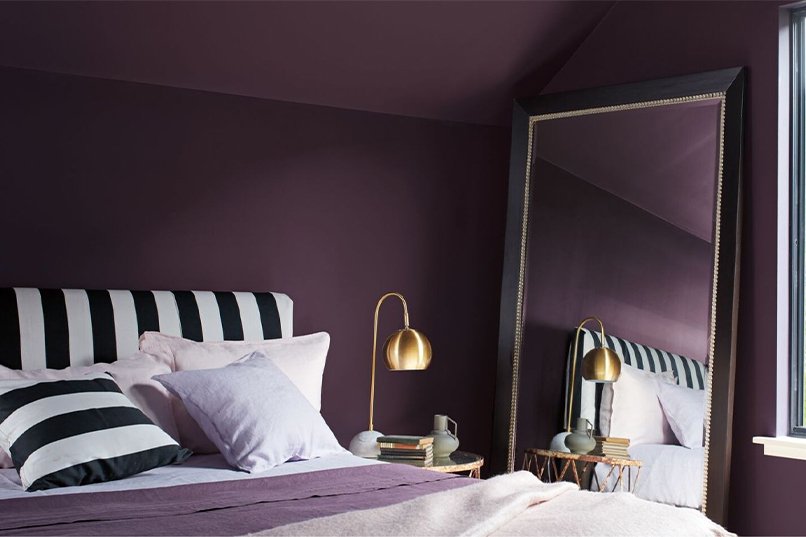
Color Drenching Bedroom Ideas for a Cozy Room That Doesn’t Feel Too Dark

Practical Tips for Color Drenching Bedroom Ideas

Test the paint before committing. A big sample on the wall is much better than guessing from a paint card.


Look at the sample in daylight and at night. Bedroom colors can change a lot.


Start with walls and trim if the ceiling feels scary. You can always paint more later.


Use the right finish. Matte or eggshell for walls, satin for trim and doors, flat for ceilings.


Keep the bedding simple so the paint color has room to breathe.


Add texture with curtains, rugs, throws, pillows, wood, baskets, and soft lampshades.


Don’t forget contrast. A little contrast keeps the room from feeling flat. That could be cream bedding, black frames, wood furniture, or brass lamps.


If you rent, try the look without paint by using bedding, curtains, rugs, and art in the same color family.


And take your time. Paint is not something you need to rush just because the trend is popular.

Common Mistakes to Avoid

The biggest mistake is choosing a color too quickly.


A bedroom is personal. You’re going to wake up in that color and fall asleep in that color. So don’t pick something only because it looked nice in someone else’s house.


Another mistake is going dark without enough lighting. Dark paint can feel beautiful, but it needs lamps. Otherwise, the room can feel flat and gloomy.


Don’t forget about your furniture. If your bed frame, dresser, floor, and paint color all fight each other, the room won’t feel right. Everything doesn’t need to match, but the tones should feel okay together.


Also, don’t over-decorate after painting. Color drenching already gives the room a strong look. If you add bold bedding, busy curtains, heavy art, and lots of decor, the room can feel crowded.


And don’t force the ceiling. If painting the ceiling makes you nervous, leave it for now. A room can still look lovely with only the walls, trim, and door painted.

Who This Is Best For

These color drenching bedroom ideas are best for anyone who wants a bedroom that feels warmer, moodier, or more pulled together.


It’s good for rooms that feel plain even after adding decor. Sometimes the problem is not the bedding or furniture. Sometimes the walls just feel disconnected from everything else.


It also works well if your bedroom has trim, doors, built-ins, or little details you want to blend in.


If you like cozy rooms but don’t want lots of decor everywhere, color drenching can be a smart choice. The paint does a lot of the work, so you can keep the rest of the room simple.

FAQs

1. What is color drenching in a bedroom?

Color drenching means painting the walls, trim, doors, and sometimes the ceiling in the same color or very similar shades.

2. Is color drenching good for small bedrooms?

Yes, it can work well in small bedrooms. A continuous color can make the room feel calmer. If you use a dark shade, balance it with warm lighting and lighter bedding.

3. Do I have to paint the ceiling too?

No. You can start with the walls and trim. Painting the ceiling gives a more wrapped feeling, but it’s optional.

4. What colors are best for color drenching a bedroom?

Sage, dusty blue, olive, taupe, mushroom, clay, chocolate brown, smoky lavender, and muted burgundy are good options. Softer colors are easier to live with.

5. Can I try color drenching without painting?

Yes. Use bedding, curtains, rugs, wall art, and decor in the same color family. It won’t be exactly the same, but it can create a similar cozy feeling.

Final Thoughts

Color drenching can make a bedroom feel beautiful, cozy, and more personal, but it works best when you don’t rush the color.


Start with a shade that feels good in your actual room. Test it in real light. Think about your bedding, lamps, curtains, and furniture before painting everything.


The best color drenching bedroom ideas are not about making the boldest room possible. They’re about making a bedroom that feels warm when the lamp is on, calm when you’re tired, and still nice when real life is happening.


A bedroom doesn’t need to look perfect in a photo. It needs to feel good when you’re living in it.

XOXO
signature
Subscribe so you don’t miss a post
Sign up with your email address to receive news and updates!

What do you think?

Your email address will not be published. Required fields are marked *

No Comments Yet.