
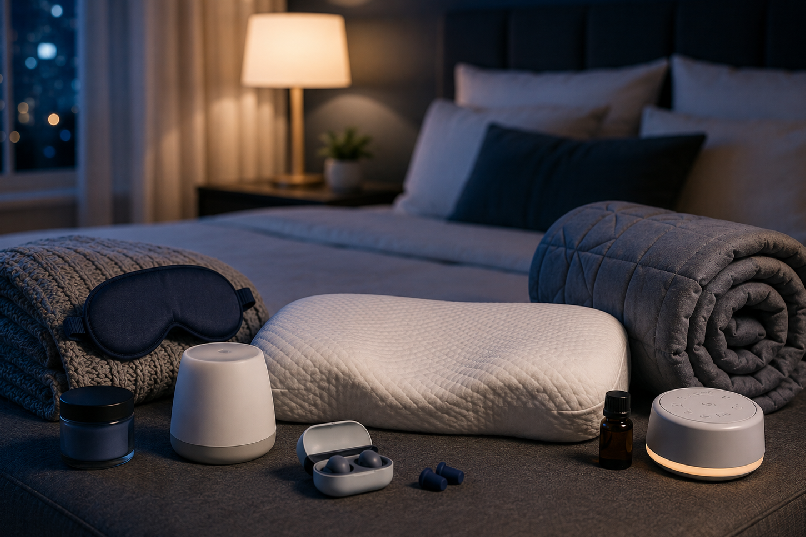
Sleep quality is determined by a combination of factors that most people approach one at a time without a framework for understanding which ones matter most. The mattress is the foundation. The bedding determines the temperature environment. The room light and sound affect how quickly sleep onset happens and how disrupted it is through the night. The pillow determines the head and neck position that affects both sleep quality and morning comfort.
Getting all of these right simultaneously produces sleep that’s genuinely different from the sleep that most people are having — deeper, less disrupted, more restorative. Getting one right while the others are wrong produces improvement limited by the remaining variables. The sleep product investments worth making are those that address the specific variables most limiting the quality of sleep in the specific household.
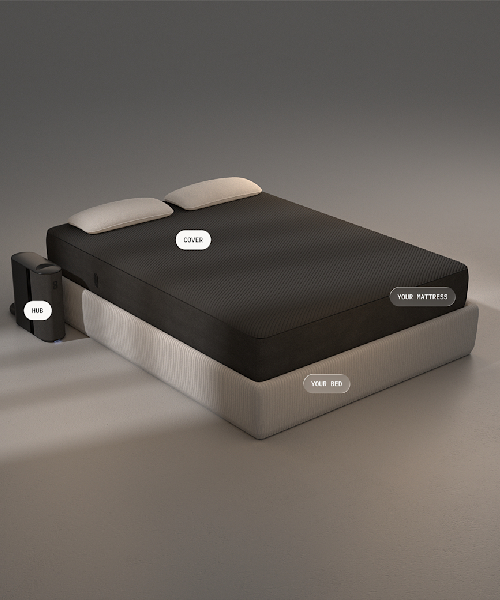
Eight Sleep is the sleep technology company whose Pod cover — a mattress topper with integrated water cooling and heating channels — actively manages the sleep surface temperature throughout the night based on individual sleep data. The technology goes beyond the passive temperature regulation of wool bedding into active temperature management: the system tracks sleep stages and body temperature through the night and adjusts the surface temperature to optimize sleep quality for each stage. For couples where one partner runs warm and one runs cold — a common household dynamic that creates a bedding negotiation — the Pod 5 Cover heats one side and cools the other independently.
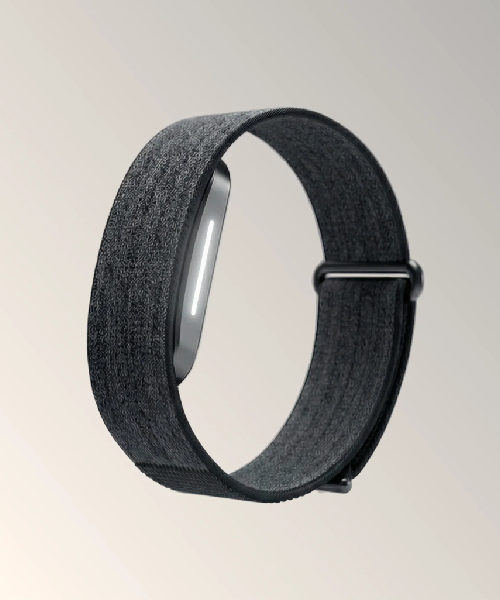
Hume Health produces the under-mattress sleep monitoring device that tracks sleep quality, heart rate variability, respiratory rate, and sleep stages without requiring the sleeper to wear anything. The non-wearable format is the specific advantage over fitness tracker sleep monitoring — wristband trackers disrupt sleep for some people and produce data affected by the wristband itself, while the Hume device measures without any contact. The app provides the longitudinal sleep data that reveals patterns rather than individual night snapshots.
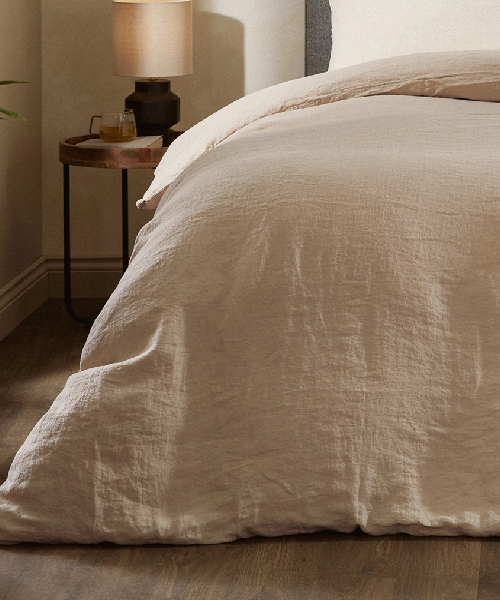
Already reviewed in detail, the Wool Room’s all-seasons combination earns its place in the broader sleep products context because the temperature regulation it provides addresses the most common cause of sleep disruption — waking warm — in a natural, non-technological format that requires no ongoing maintenance or subscription. The two-duvet system covers every temperature need through the year in a single purchase.
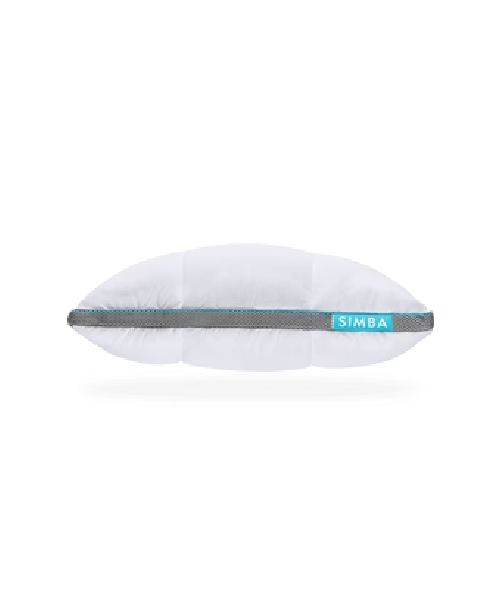
Simba extends their hybrid approach from mattresses to pillows with a pillow that uses a combination of Simbatex foam layers and a microspring layer. The result is a pillow that maintains its shape and support level through the full night — the specific failure of many pillows is that they compress during the night, changing the head position from the optimal position found when first lying down. The adjustable fill system allows customizing the pillow height for different sleep positions and head sizes.
Sleep hygiene — the collection of behaviors and environment conditions that support sleep quality — has a large body of evidence behind it and an even larger body of content that exaggerates the evidence or simplifies it into rules that don’t apply to everyone consistently.
Consistent sleep and wake times. The body’s circadian rhythm is set by consistency — the same wake time every day (including weekends) is the most powerful circadian synchronizer available and produces better sleep quality than any product or supplement.
Sleep environment darkness. Light exposure during sleep suppresses melatonin and reduces sleep quality, even with eyes closed. Genuine blackout — through blackout curtains or a quality sleep mask — is one of the most straightforward environmental sleep improvements available.
Sleep environment darkness. Light exposure during sleep suppresses melatonin and reduces sleep quality, even with eyes closed. Genuine blackout — through blackout curtains or a quality sleep mask — is one of the most straightforward environmental sleep improvements available.
Pre-sleep light exposure. Blue-spectrum light (screens, LED lighting at cool temperatures) suppresses melatonin production and delays sleep onset. Warm-spectrum light (the 2700K lamps that Pooky recommends) doesn’t have this effect to the same degree. Managing light environment in the hour before bed is one of the most consistent sleep onset interventions with evidence behind it.
The sleep technology category — Eight Sleep, Hume Health, and similar — produces genuine data and genuine interventions for those whose sleep problems are significant enough to justify the investment and for whom understanding the specific variables affecting their sleep is worth paying for.
The honest evaluation framework for sleep technology: is the sleep problem significant enough that the data and intervention will change behavior in ways that improve outcomes? If yes, the investment is justified. If the sleep problem is mild, the data interesting but not actionable, or the investment not proportionate to the severity of the problem, the simpler and less expensive interventions — the right duvet, the right pillow, the right room environment — address most sleep problems adequately.
Sleep products worth buying are those matched to the specific variable most limiting sleep quality in the specific household. Eight Sleep’s Pod addresses active temperature management for those whose sleep temperature disruption is significant enough to justify the investment. Hume Health’s monitor provides non-contact sleep data for those who want to understand what’s limiting their sleep quality without wearing a tracker. The Wool Room addresses the same temperature variable at lower cost through passive natural fiber regulation. And Simba’s hybrid pillow addresses the specific support consistency problem that many pillows fail at. The sleep improvement that produces the most consistent satisfaction is the one that addresses the actual limiting variable — and identifying that variable is the work worth doing before any product purchase.