
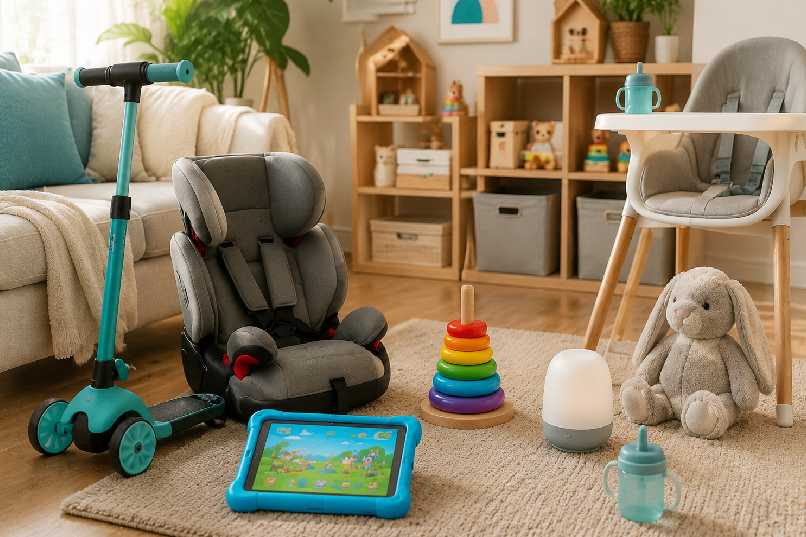
The children’s product market generates a remarkable volume of things that children don’t care about and parents buy. The developmental toy that the packaging promises will accelerate language acquisition and that functions as an interesting distraction for two weeks. The educational system that’s beautiful and systematic and that gets used three times before the child finds it less interesting than the cardboard box it came in. The screen management device that the parents are more attached to than the children are.
The products that actually make a difference share a specific quality: they fit into what children already want to do rather than requiring the child to want something different. The Yoto works because children already want to listen to stories. Greenlight works because children already want their own money. The trampoline works because children already want to jump.
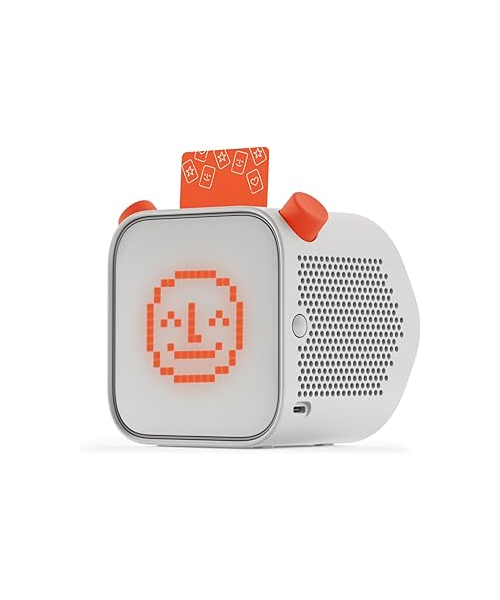
The Yoto Player’s core appeal to children is independence — the ability to choose and access content without requiring an adult to operate the device or unlock the screen or navigate the interface. This independence is something children consistently want and that most devices designed for children don’t fully provide. The Yoto provides it genuinely: the two-year-old who can select their audiobook card and insert it in the player is having an experience of competence and autonomy that affects their relationship with the device differently from a device that requires adult mediation.

The Greenlight card gives children real money in a real format with real spending power — and real limits. The spending controls are set by parents, the chore-earning is managed by parents, and the savings goals are established with parental guidance. But within those parameters, the child has genuine financial autonomy: the ability to make spending decisions with real money that produces real consequences. This is the experience that most children are ready for earlier than parents typically provide it, and the Greenlight system provides it in a structured, supervised format that manages the risk appropriately.
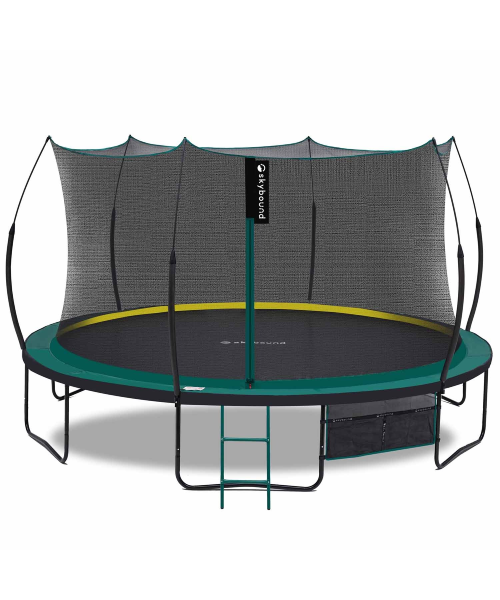
The garden trampoline provides outdoor freedom in the specific sense that the child can engage with it independently — without adult setup, facilitation, or participation. The four-year-old who can go to the trampoline when they want to, bounce for as long as they want to, and come in when they choose is experiencing a form of outdoor freedom that most other garden activities don’t provide at that age. This freedom — bounded by the enclosure that keeps the child safe and the garden that keeps them accessible — is developmentally valuable in the specific way that outdoor independent play is documented to be.
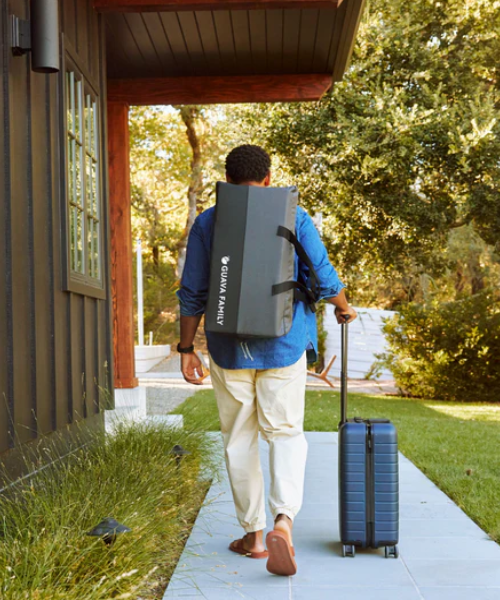
The Guava Lotus from the child’s perspective rather than the parent’s: the familiar sleep surface in an unfamiliar environment. Children who are in the specific developmental stage where environmental familiarity is important for sleep — roughly the same stage where they carry a comfort object — benefit from the Lotus’s consistent sleep environment in the same way they benefit from having their familiar blanket or toy in new accommodation. The parent’s logistics benefit and the child’s comfort benefit are separate but aligned.
The children’s products that produce the most consistent genuine value share the development alignment principle: they fit the specific developmental stage of the child using them rather than the aspirational developmental stage that the marketing targets.
The Yoto works for the 2–12 age range because audio content engagement is a genuine developmental interest across this range — the story-listening capacity develops in toddlerhood and the audiobook interest extends through middle childhood in ways that other media formats don’t maintain consistently. The Greenlight works from approximately age 6 because the concrete understanding of money as a finite resource is a developmental milestone that most children reach around this age and that the Greenlight system genuinely engages. The trampoline works from age 3 through adolescence because the physical play drive is consistent across this entire developmental span in a way that specific toy categories aren’t.
The children’s products with the most consistent parent satisfaction are those that provide value over years rather than months — the Yoto that’s still the bedtime device at age 10 that was the toddler sleep sounds device at age 2, the Greenlight account that evolves from basic spend/save at age 7 to investment education at age 13. These developmental arcs are the specific product quality that justifies the initial investment because the cost is amortized across years of use rather than weeks.
The children’s products worth buying in 2026 are those aligned with what children actually want and with the developmental stage they’re actually in. The Yoto Player provides audio independence in a format that children want — stories chosen and accessed by themselves. Greenlight provides money autonomy in a supervised format that children are developmentally ready for earlier than most parents provide. The SkyBound trampoline provides outdoor freedom in the form children naturally seek — independent physical play in a bounded outdoor space. And the Guava Lotus provides the comfort consistency that young travelers need — the familiar sleep environment in the unfamiliar accommodation context. Products that fit development produce sustained engagement. Products that try to accelerate or replace development produce novelty.