
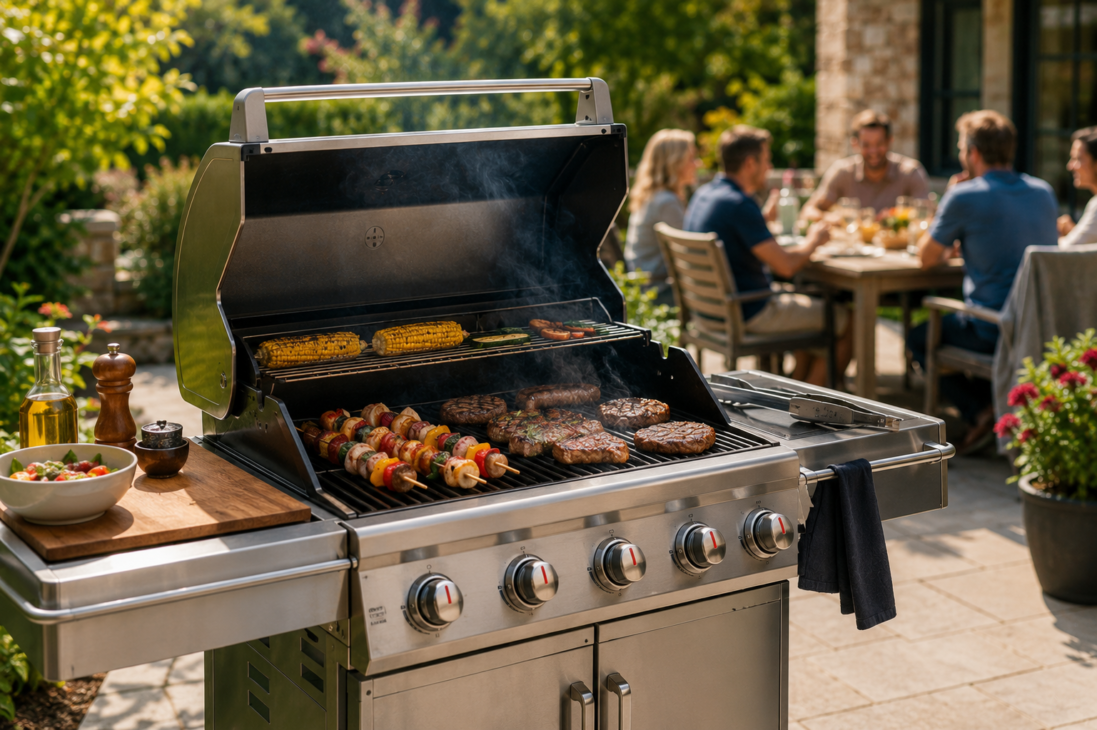
The BBQ grill market generates a significant amount of buyer’s remorse. The grill that looked appropriately substantial in the product photography and turned out to have thin gauge steel that warps in the first hot season. The burners that heated unevenly, creating the specific frustration of charred food on one side and undercooked on the other. The pellet grill that promised set-it-and-forget-it cooking and spent three hours troubleshooting the auger before getting a consistent temperature.
Most grill disappointments are predictable from the construction — they’re not random failures but the specific outcomes of design and material compromises made at particular price points. Understanding which compromises matter for the specific type of cooking the grill will be used for is most of what separates a good grill purchase from a disappointing one.
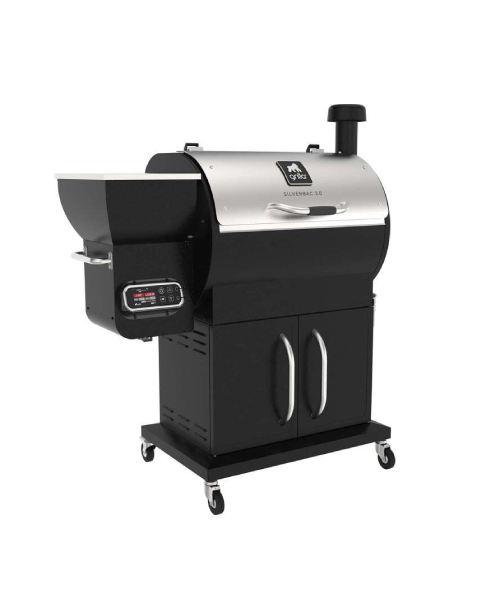
Grilla Grills produces pellet grills with a dual-wall construction that most pellet grills at comparable prices don’t offer. The double-wall upper cooking chamber insulates significantly better than single-wall alternatives, which produces more consistent temperature across the full cooking area and reduces the pellet consumption required to maintain temperature in cooler weather. The fan system distributes heat more evenly than the gravity-fed designs of some competing pellet grills, and the PID controller maintains temperature within 5-10 degrees of the set point rather than the 25+ degree swings that simpler temperature controllers produce.
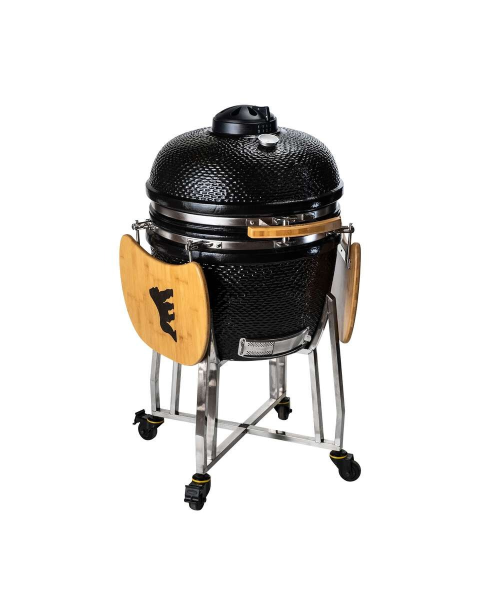
The Kong is Grilla Grills’ ceramic kamado — the heavy, dome-shaped cooker that produces exceptional heat retention and versatility across the full range of cooking temperatures from low-and-slow smoking at 225°F to high-heat pizza oven temperatures above 700°F. The ceramic construction provides insulation that steel grills don’t match for either extreme of the temperature range. The dual-function capability — smoking and high-heat cooking — makes the kamado the most versatile single outdoor cooking vessel available.
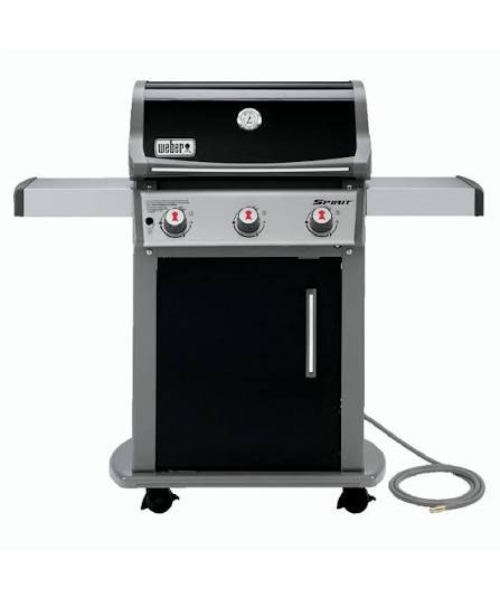
BBQGuys stocks a curated range of quality grills and the Weber Spirit E-310 is the gas grill they recommend most consistently — the three-burner model with genuine even heating across the full cooking surface that most gas grills at comparable prices don’t achieve. The flavorizer bars above the burners convert dripping fat into smoke and flavour rather than allowing it to drip onto the burners and accumulate. The construction quality means the Spirit E-310 outlasts cheaper gas grills by years with basic maintenance.
BBQGuys as a retailer provides the specific value of expert curation — the guidance to navigate the overwhelming grill market with a resource that stocks quality brands across all categories rather than one manufacturer’s range. Their buying guides, comparison tools, and customer service from genuine outdoor cooking enthusiasts produce better purchasing decisions for those who don’t want to become grill experts themselves before making a grill purchase.
Before any specific grill recommendation, the type of grill that suits the specific outdoor cooking situation matters more than which brand makes the best version of each type.
Gas grills are right for those who cook outdoors regularly on weekdays, want the grill hot and cooking in ten minutes, and primarily cook burgers, chicken, vegetables, and fish. The convenience is genuine and the temperature control is straightforward. The limitation is flavour — gas grilling produces good results but not the wood smoke flavour that charcoal and pellet cooking delivers.
Charcoal grills are right for those who want the flavour that gas can’t replicate — the direct contact between food and the charcoal smoke produces the char and complexity that defines charcoal grilling. The trade-off is startup time (twenty to thirty minutes for proper heat) and temperature management that requires attention and practice.
Pellet grills bridge the gap — the wood pellets provide smoke flavour and the digital temperature controller manages the fire. The specific capability that makes pellet grills worth the premium: the ability to maintain 225°F for ten to twelve hours for brisket, pork shoulder, and ribs without the constant attention that charcoal or gas smoking requires. Set the temperature, add pellets, come back to finished barbecue.
Kamado grills like the Kong are the most versatile — the ceramic construction and the bottom-to-top air flow control allows the full range from low-and-slow smoking through high-heat searing to pizza oven temperatures above 700°F. The trade-off is the learning curve and the weight — the ceramic is heavy and once positioned stays positioned.
Steel gauge in gas and charcoal grills is the most predictive construction variable for longevity. Heavy gauge steel (1.5mm or above) retains heat well, maintains its shape through high temperatures, and doesn’t rust through or warp within a few seasons of regular use. Thin gauge steel (under 1mm) warps and rusts faster and produces less consistent cooking performance as it ages.
Lid fit is the variable that most affects cooking quality in all grill types. A lid that fits precisely allows the grill to maintain temperature without excessive fuel consumption and allows indirect cooking and smoking by controlling the heat environment inside the cooking chamber. A lid that doesn’t fit precisely leaks heat, creates hot spots, and produces inconsistent results.
Burner quality in gas grills determines how long the grill maintains even heating. Cast iron and stainless steel burners outlast the standard steel burners in lower-priced grills. Weber’s stainless burners and their specific burner design is a significant part of what makes the Spirit E-310 worth its price over cheaper gas alternatives.
The pellets used in a pellet grill affect flavour as directly as the grill itself, and this variable is often treated as an afterthought at purchase. Quality pellets — made from genuine hardwood without fillers or binders — produce clean smoke with the specific flavour characteristic of the wood species. Budget pellets — with filler wood or lower hardwood content — produce more ash and less consistent flavour.
The wood species choice: hickory for the classic American BBQ flavour, apple for milder smoke with a slight sweetness appropriate for pork and poultry, cherry for the specific colour and mild flavour that complements most proteins, and mesquite for the strongest smoke that suits beef best.
The BBQ grill worth buying in 2026 is the one matched to the specific outdoor cooking the buyer actually does — gas for weekday convenience cooking, charcoal for flavour-focused weekend cooking, pellet for low-and-slow smoking that produces genuine barbecue results, and kamado for the most versatile single outdoor cooker available. Grilla Grills’ Silverbac produces the most consistent temperature management in the pellet category at accessible premium prices. The Kong kamado provides the versatility range that no other single cooker matches. BBQGuys’ curation — and specifically the Weber Spirit E-310 in the gas category — represents the best guidance available for those navigating the full market range. Buy the type first, then the quality brand within that type.