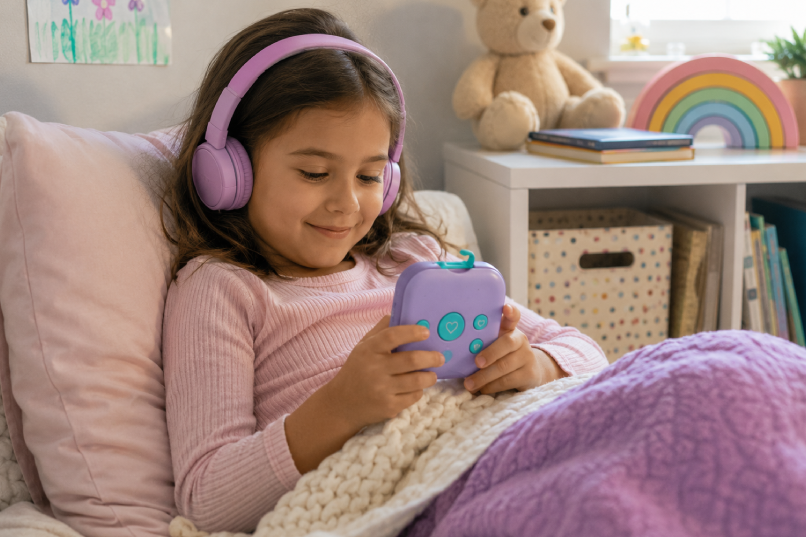
Screen-free entertainment for children is one of those parenting goals that sounds straightforward and proves difficult in practice. The alternatives to screens — books, toys, outdoor play — all require either significant child investment or parental facilitation. Books are wonderful but require the reading skill and the sitting-still willingness that young children often don’t have for extended periods. Toys engage but need to be varied and refreshed to maintain interest. The specific gap that the Yoto Player fills is independent audio entertainment that children can access without a parent, without a screen, and without the specific anxiety that many parents associate with unsupervised screen use.
The Yoto Player is worth understanding in this context rather than evaluated as a toy or a gadget. It’s a system for delivering audio content — audiobooks, podcasts, music, sound effects, sleep content — to children through a physical card that the child selects and inserts themselves. The child’s agency in selecting the card is the design detail that makes Yoto work differently from a parent-operated speaker or streaming service: the child is making a choice, taking an action, and having a consequence that they control. This produces a different relationship with the device than one where content is delivered from an adult’s phone.
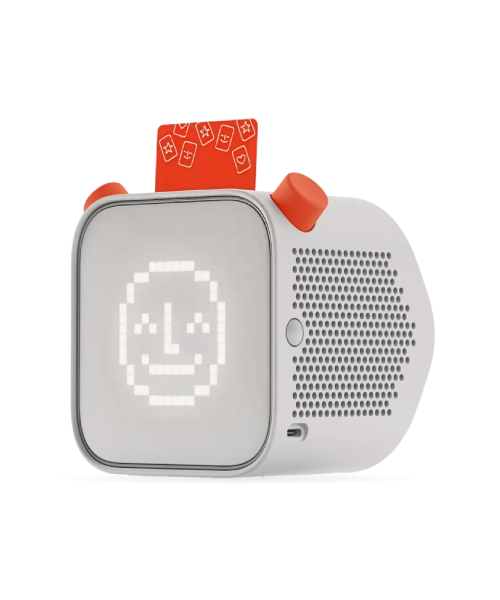
The third-generation Yoto Player is the current version with improved audio quality over the second generation, a revised LED pixel display that visualises certain card content, and improved Bluetooth connectivity for the Yoto headphones. The device is designed specifically for children — the large side dials for volume are operable by small hands, the card slot is intuitive, and the button layout uses symbols rather than text that allows pre-readers to operate it independently. The independence is the specific design success: children as young as two can operate the Yoto Player without adult assistance.
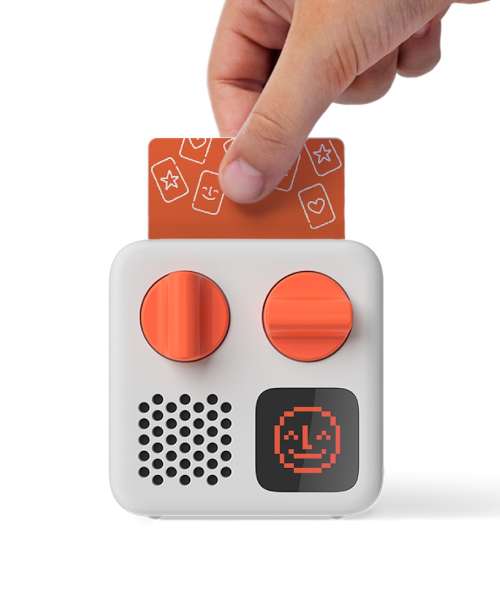
The Yoto Mini is the travel version — smaller, with a built-in carry handle designed for children to hold, using the same card system as the main player with an 8-hour battery appropriate for travel days. The Mini’s specific advantage for families: travel without the main player means the primary device isn’t at risk of loss or damage in transit, and the card library travels in a small wallet that fits in hand luggage. The Mini provides the same Yoto experience in a format specifically designed for the travel context.
The sleep sounds card is the Yoto purchase that produces the most immediately visible impact on daily family life. The card contains white noise, rain sounds, ocean sounds, and gentle music options that the child can select and play independently from the moment they wake until they choose to stop. For children who are in the stage of requiring parental settling after early morning waking — 5am independence versus 5am arrival at the parental bed — the Yoto sleep sounds card is the specific intervention that changes this dynamic.
The research on screen time for children supports concerns that are more specific than the general “screens are bad” framing that most parenting content uses. The specific concerns with genuine evidence behind them: the interactive, variable-reward nature of social media and gaming creates engagement patterns that affect attention in ways that passive content consumption doesn’t; the displacement of sleep by screen use in the period before bed affects sleep quality in children more significantly than in adults; and the displacement of other activities — outdoor play, reading, social interaction — by screen use has opportunity costs that the screen use itself doesn’t provide.
Audio content — audiobooks, podcasts, music — doesn’t share most of these specific concerns. It’s passive rather than variable-reward interactive. It doesn’t affect sleep when used in the dark at bedtime in the way that screen light does. And it can occupy the imagination in ways that complement rather than replace reading, outdoor play, and social interaction.
The Yoto specifically addresses the screen-free gap not by being better than screens for every purpose but by being appropriate for specific contexts where screens aren’t: bedtime listening, early morning entertainment before parents are awake, car journeys where screens produce motion sickness, and quiet time where the child wants engagement without stimulation.
The cards most consistently recommended as first purchases alongside the player:
The Sleep Sounds Card — already described as the highest-impact single card for most families. White noise for sleep onset, rain sounds for quiet time, options the child can select independently.
Roald Dahl Audiobooks — the catalogue of Dahl stories performed by quality voice actors, starting with Charlie and the Chocolate Factory or The BFG, are consistently the cards that children return to most frequently and the ones that produce the specific re-listening that favourite stories get from children who love them.
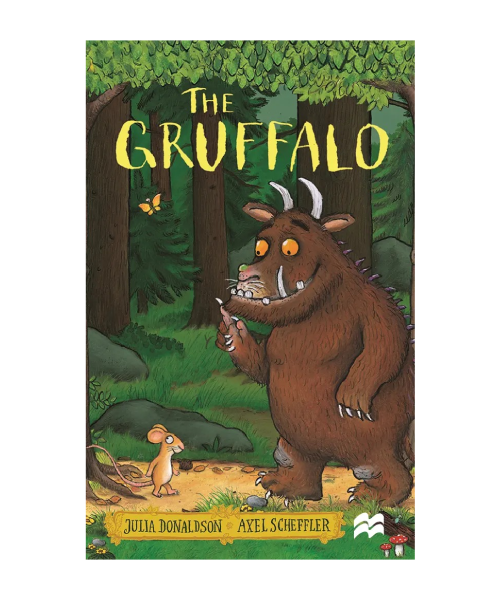
Julia Donaldson stories for younger children — The Gruffalo, Room on the Broom, and the related catalogue are perfectly calibrated for the 3–6 age range and are re-listened to in the way that picture books are re-read.
A music card in the genre the family listens to — children’s music specifically made for Yoto, or a curated playlist of the music the family already loves — for the driving and background listening context.
The Yoto Player is worth buying for families with children in the 2–12 age range who want independent screen-free entertainment, particularly for the early morning, bedtime, and travel contexts where screens are either unavailable or inappropriate. The third-generation player is the current best version. The Mini is the travel companion worth having alongside the main player rather than instead of it. The sleep sounds card is the first purchase that produces the most immediate daily life improvement. And the Yoto Plus subscription extends the content library for high-volume consumers in the periods between specific physical card purchases. The specific quality that makes Yoto valuable — the child’s independence in accessing content, the physical card system that creates a deliberate relationship with the material — is what distinguishes it from simply having a Bluetooth speaker with a streaming service attached.