
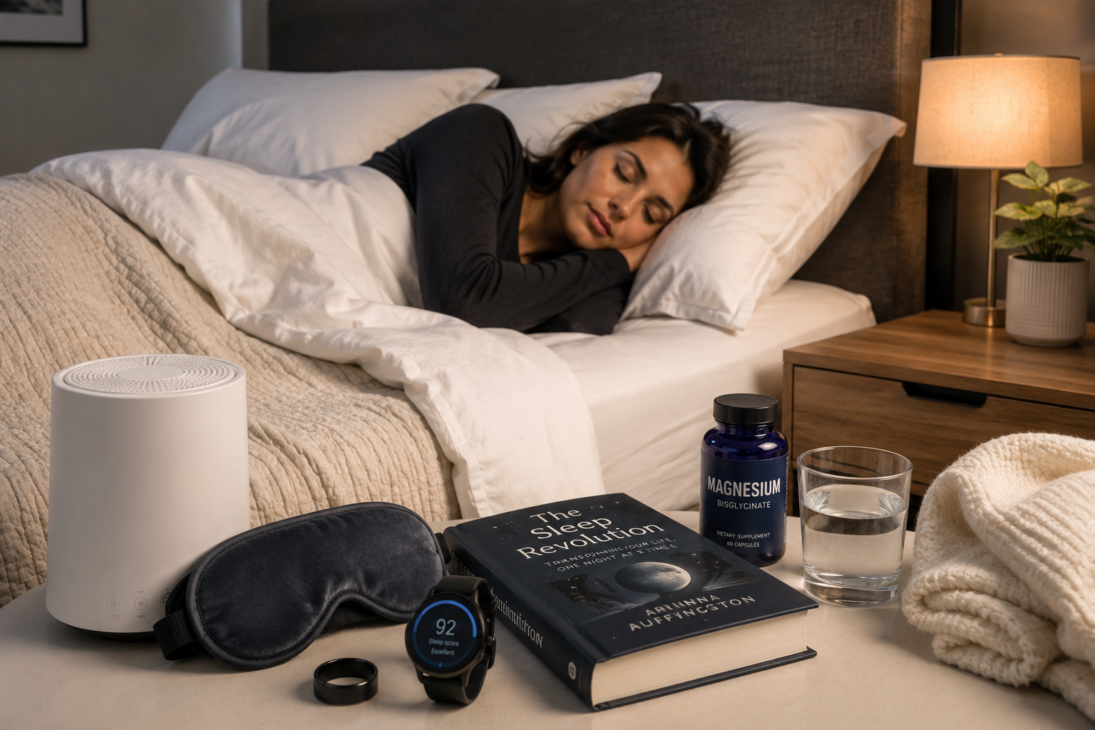
Sleep investment is worth thinking about as a category because the returns are both immediately felt — the morning after a good night is immediately different from the morning after a poor one — and cumulatively significant — the health outcomes of consistently better sleep compound in ways that make the investment proportionate to expenditure that seems high against individual purchase price.
The annual round-up that’s actually useful identifies which specific investments produced the most consistent improvement for the widest range of people who made them, rather than which products had the most successful marketing in the past year. The two lists have some overlap and significant divergence.
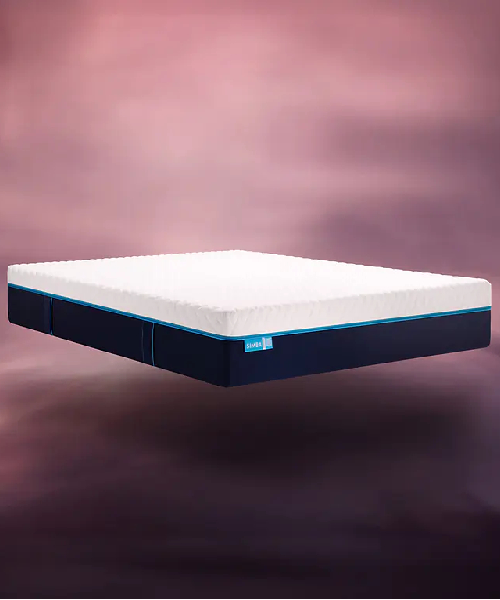
The Simba Hybrid Pro holds the top mattress position in 2026 because the combination of genuine construction quality, the 200-night trial that makes the investment reversible if it doesn’t work, and the consistent long-term ownership evidence from the largest UK owner base of any hybrid mattress constitutes the most reliable single mattress investment. The temperature management, the pressure relief, and the motion isolation address the most common sleep disruption causes in one product.

The Wool Room’s all-seasons combination duvet earns the bedding investment position for the same reason it has dominated the natural fiber bedding category for years — the temperature regulation benefit is genuine, well-documented, and produces the most consistent improvement for warm sleepers of any bedding product at any price. The all-seasons format provides the complete year-round solution in a single purchase.
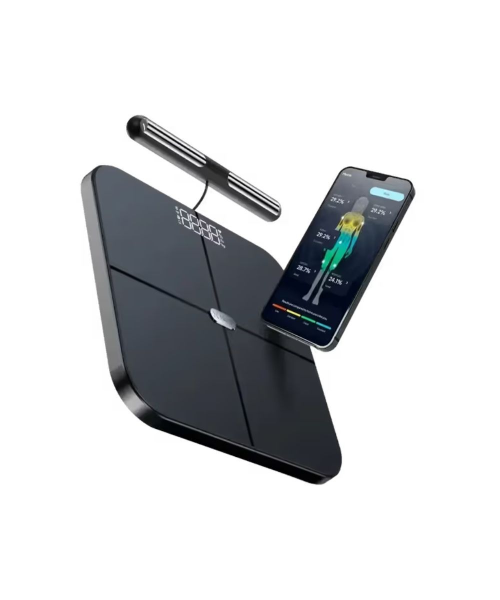
Hume Health’s monitoring system earns the tracking investment position for the ability to make sleep improvement measurable rather than subjective. The under-mattress sleep monitor and the integrated app provide the data that allows confirming whether specific investments are producing the outcomes they’re supposed to produce — the measurement infrastructure that turns sleep investment into evidence-based practice rather than hopeful purchasing.
The return on sleep investment is worth framing specifically because it changes how the price of these products reads against their actual value.
A £1,099 Simba Hybrid Pro mattress that lasts ten years costs £109.90 per year — or approximately £0.30 per night. The sleep quality improvement that the right mattress produces for a sleeper who has been on the wrong one is felt 365 times per year. At £0.30 per night for the right mattress, the economics are more compelling than most discretionary purchases at similar price points.
A £220 Wool Room all-seasons combination duvet that lasts fifteen years costs £14.67 per year — or approximately £0.04 per night. For a warm sleeper who wakes once or twice per night on their current duvet and doesn’t on the Wool Room duvet, the cost of that improvement is £0.04 per night. The health cost of interrupted sleep across fifteen years is not similarly calculable but is genuinely significant.
The economics of sleep investment consistently favor the investment over time in a way that’s less visible at purchase because the full-price view obscures the per-night cost.
In the spirit of honesty: the sleep products that were heavily marketed but consistently underdelivered against their claims.
Budget smart mattresses claiming Simba-equivalent performance — the spring count and foam quality differences are real and produce performance differences that the price-comparison framing obscures. The budget hybrid that looks similar to Simba on a spec sheet but uses lower-density foam and a lower spring count performs differently in practice.
Sleep supplement stacks claiming comprehensive sleep transformation — the evidence base for most sleep supplements remains weak relative to the marketing claims, with magnesium being the strongest-evidenced exception.
Sleep tracking apps without hardware support — phone-based sleep tracking using the phone’s accelerometer produces data that’s accurate enough for general sleep duration awareness and not accurate enough for sleep stage analysis that most of these apps provide. The confidence with which poor-quality data is presented is the specific problem.
Sleep investment worth making in 2026 follows a clear hierarchy: the right mattress as the foundation, the right bedding for temperature management as the primary comfort layer, the right environment conditions as the supporting framework, and monitoring to make improvement measurable. Simba’s Hybrid Pro is the mattress investment with the most reliable evidence behind it. The Wool Room’s all-seasons combination is the bedding investment for warm sleepers that produces the most consistent sleep quality improvement. Eight Sleep’s Pod 4 is the technology investment for those for whom passive management is insufficient. And Hume Health’s monitoring makes every other investment’s outcomes visible. The sleep quality that these investments produce compounds across every night they’re used — and that makes them among the most impactful investments available in home spending.