
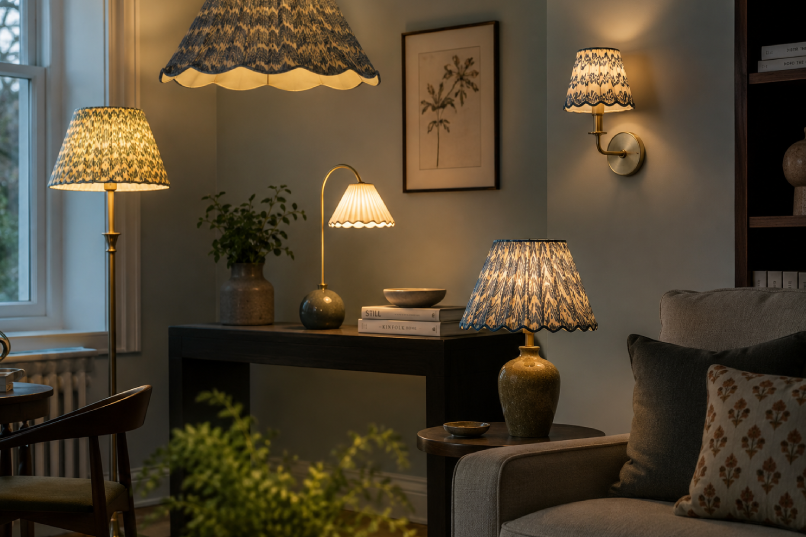
I’ve recommended Pooky lamps enough times in enough contexts to think it’s worth writing a specific, honest review that addresses the question most people eventually ask: is it actually worth it? The price is not trivial. A complete Pooky table lamp — base and shade — runs from approximately £65 to £250 depending on the specific pieces selected. A floor lamp is more. The pendant range starts at £75. These are prices that require justification beyond “the brand has a good reputation.”
Here is the honest assessment based on owning several Pooky lamps across different rooms, using them daily for extended periods, and comparing them — both directly and in memory — to the alternatives.
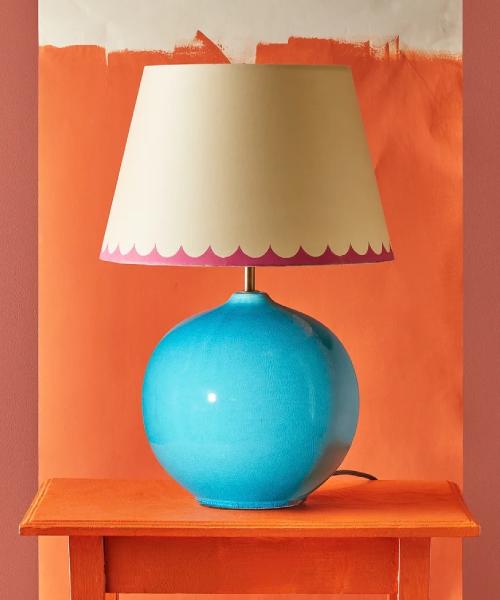
The specific Pooky piece I come back to most in conversation is the ceramic table lamp in one of their muted glazed colorways. The specific quality that distinguishes it from alternatives: the base material is actual ceramic with a quality glaze, not ceramic-look plastic or resin. You can feel the weight and temperature of real ceramic when you pick it up. The glaze is applied with the kind of care that produces the slight variation in tone that makes ceramic look handmade rather than manufactured. And the shade — the linen or cotton fabric shade — diffuses light in a specific warm way that synthetic shades don’t replicate.
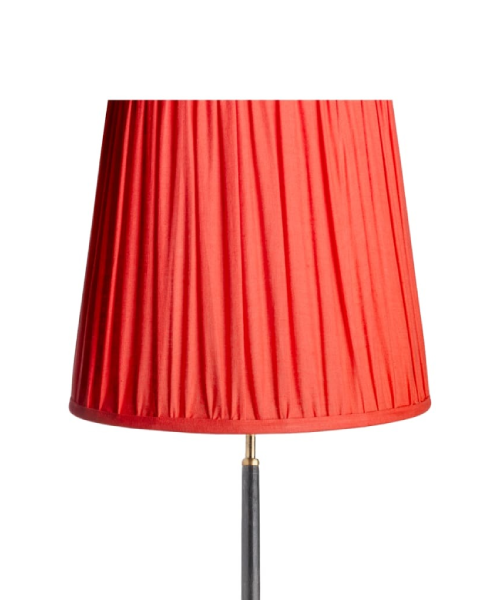
The standalone shade purchase is the most cost-effective entry into Pooky quality — a Pooky linen shade on an existing base that isn’t performing visually. The shade is where most of the visual quality of a lamp lives because it determines how the light looks when the lamp is on, and Pooky’s fabric shades produce a quality of diffused light that most shades at any price don’t. The standalone purchase allows assessing Pooky quality at a lower entry cost.
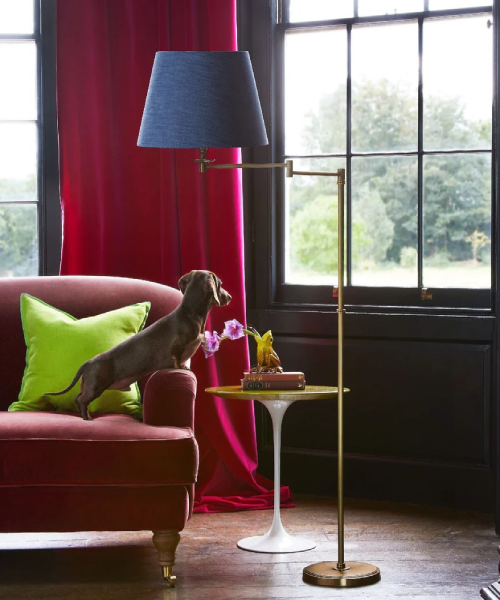
The Pooky floor lamp is the piece that most consistently produces the “where is that from?” response from guests, and it’s the purchase I’d make first in any room that currently lacks a floor lamp entirely. The specific quality of a Pooky floor lamp — the base material, the shade fabric, the proportional relationship between them — produces a piece that reads as furniture-quality rather than as an appliance. The evening room with a Pooky floor lamp in the right corner is a different experience from the same room without one.
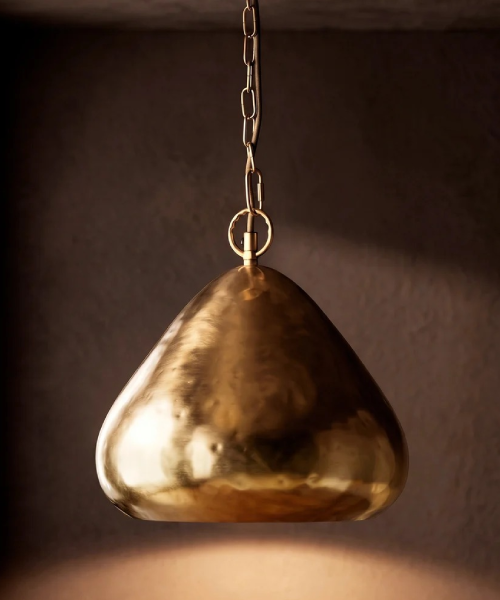
The Pooky pendant is the lamp for spaces where a ceiling light is necessary and where the ceiling light’s visual quality affects the room’s character significantly — primarily the dining room and the kitchen. A Pooky ceramic or glass pendant over a dining table reads as a deliberate design choice rather than a functional fixture, and the quality of the pendant’s material — particularly the ceramic options — makes it a visual element in its own right rather than just a light source.
The Pooky products are worth the price. That’s the short version. The longer version includes the qualifications that make that answer honest rather than promotional.
Worth the price if you care about the visual quality of the lamp in your room. If a lamp is purely functional for you — if it just needs to produce light and be present without you noticing it much — Pooky’s price premium is harder to justify. The visual quality is what you’re paying for alongside the light quality, and if that doesn’t matter in your context, there are more economical ways to get adequate light into a room.
Worth the price if you’ll keep it in the same room for years. The purchase justification for a £185 floor lamp assumes it’s in the same room for at least five to eight years. The cost per year at five years is £37. Over ten years it’s £18.50 per year. That’s the genuine economics of a quality lamp — not a year-one expense but a decade-long asset.
Worth the price if you’re replacing something that isn’t working. If you have a lamp that’s technically adequate but visually wrong — the lamp you keep because replacing it is an inertia problem rather than a budget one — the Pooky alternative is worth the investment to finally have the lamp you actually want rather than the one you’re tolerating.
Not necessarily worth the price for every room simultaneously. The lighting transformation approach of doing every room at once is genuine in its impact. The most practical approach for most people is to identify the room where lighting is most limiting the quality of the space and address that room first.
IKEA RANARP (approximately £25): the classic design with a brass finish that’s been in the IKEA range for decades. Provides adequate light, looks reasonable, uses whatever bulb is available. Not at Pooky quality and not trying to be. If the budget is genuinely constrained, RANARP is the best IKEA lamp to buy and it’s genuinely adequate.
John Lewis own-brand lamps (£45–£150): quality mid-range that’s above IKEA and below Pooky. The shade fabrics are better than IKEA, the bases are more considered, the proportions are better. The quality gap from Pooky is in the material quality — John Lewis often uses synthetic shade materials that diffuse light differently — and in the design coherence of base-and-shade coordination.
Pooky (£65–£250+): the quality tier where the material genuinely changes, the design coordination between base and shade is deliberate, and the lamp becomes a visual element in the room rather than just a light source.
Pooky is worth it for the specific person who cares about the visual quality of their lamps as much as the light they produce, and for whom a lamp is an investment rather than a purchase. The shade fabric quality, the base materials, and the design coordination produce lamps that age well, look genuinely considered in rooms, and make the light quality feel different from what cheaper alternatives provide. The standalone shade is the most cost-effective entry point for those who want to assess the quality before committing to full lamp investment. And for those who’ve been tolerating an inadequate lamp rather than replacing it, the Pooky alternative is consistently the one worth replacing it with.