
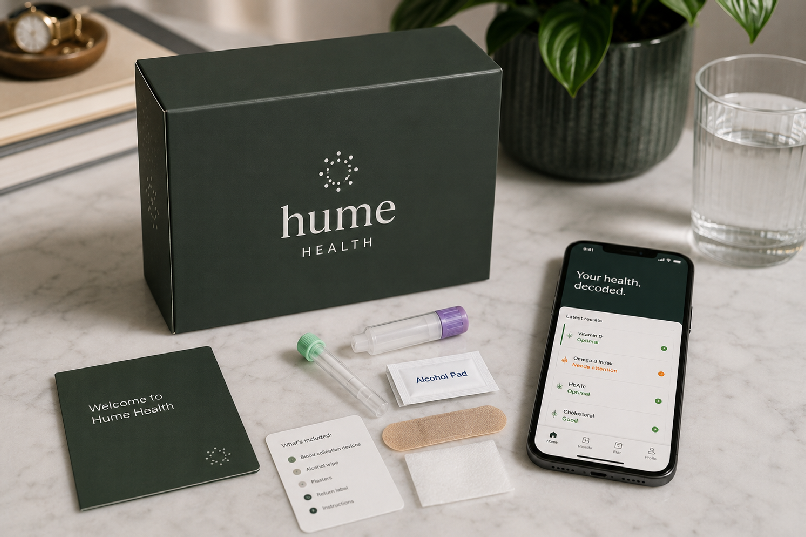
Hume Health occupies a specific position in the health monitoring market — more sophisticated than the basic smart scale but less medically specific than clinical monitoring devices. The brand produces the smart scale with body composition tracking, the under-mattress sleep monitor, and the app ecosystem that connects them into an integrated health tracking platform. The question of whether this is worth the investment has a specific answer that depends on what the buyer is actually going to do with the data.
The honest evaluation of any health monitoring investment: data that changes behavior is valuable. Data that’s interesting but doesn’t change behavior is expensive entertainment. Hume Health’s usefulness is proportionate to the degree to which the data it produces changes the decisions the buyer makes about sleep, exercise, and nutrition.
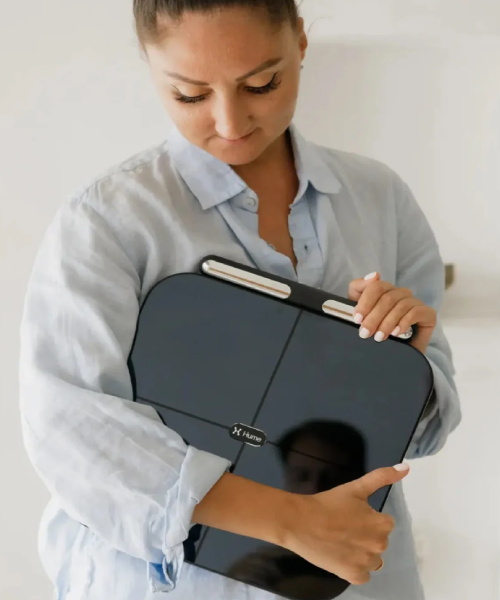
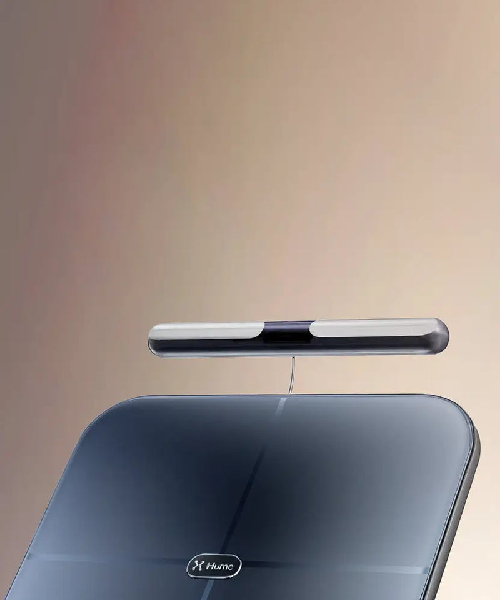
The Hume Health smart scale tracks weight, body fat percentage, muscle mass, bone density estimate, hydration level, and metabolic rate — the standard body composition metrics available from the category of smart scales generally, with Hume’s specific advantage in the measurement accuracy and the app’s data presentation. The specific value proposition over a standard smart scale: the trend data is presented in the context of sleep quality from the sleep monitor, which allows seeing correlations between body composition changes and sleep quality that isolated tracking doesn’t reveal.
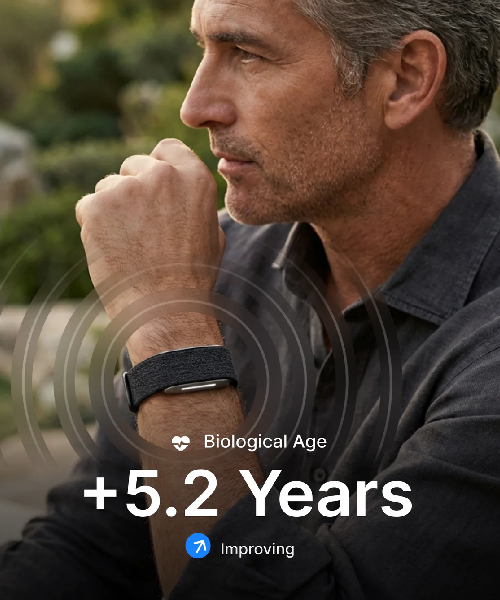
The under-mattress ballistocardiography sensor that tracks sleep stages, heart rate, respiratory rate, and movement without wearables. Already covered in the sleep tracking section, included here in the brand review context: the sleep monitor is the Hume Health product with the most direct impact on health outcomes because sleep quality has the most pervasive effect on health variables of any single behavior. The non-wearable format is the specific advantage that makes the device useful for those who don’t want to sleep with a tracker on their wrist.
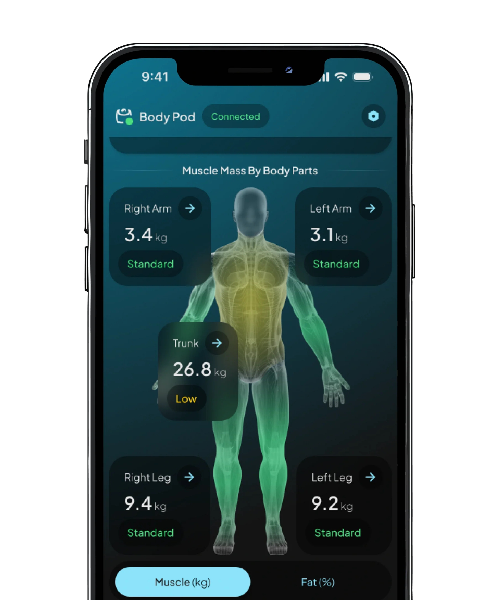
The Hume Health app is where the scale and sleep monitor data is combined into the health picture that neither device provides independently. The specific value: the app shows the relationship between sleep quality and body composition trends, exercise consistency and sleep quality, and the pattern-recognition across variables that identifies what’s actually affecting health outcomes rather than what appears to be affecting them from individual data streams. The app requires both devices to deliver the correlation value — using one device alone with the app produces less insight than the integrated data from both.
The performance tier of the Hume Health ecosystem adds the metrics most relevant to athletic performance and recovery: readiness scoring that recommends training intensity for the day based on sleep and HRV data, performance prediction for high-intensity training days, and the specific sleep analysis focused on recovery quality rather than general sleep health. For those who train regularly and want their training decisions to be informed by genuine recovery data rather than scheduled programming, this is the tier worth the subscription.
Hume Health is worth the investment for a specific type of user: those who are genuinely motivated by data, who will look at the app regularly, and who will make actual behavioral changes based on what they see. This profile produces the positive outcome — the sleep quality insight that leads to behavioral change that leads to measured improvement that sustains the engagement.
The investment is less justified for those who find health data interesting in the abstract but don’t consistently connect data to behavioral change, for those whose sleep quality is already good and for whom tracking represents optimizing what’s already adequate, and for those who are motivated by the aspiration of monitoring rather than the practice of it.
The scale is worth buying for those who track body composition as part of a specific health or fitness goal where the trend data provides the accountability and feedback that makes the goal pursuit more consistent. The sleep monitor is worth buying for those whose sleep quality is a genuine concern and who’ve identified monitoring as a tool for improvement. The two together are worth the combined investment for those who use both consistently