
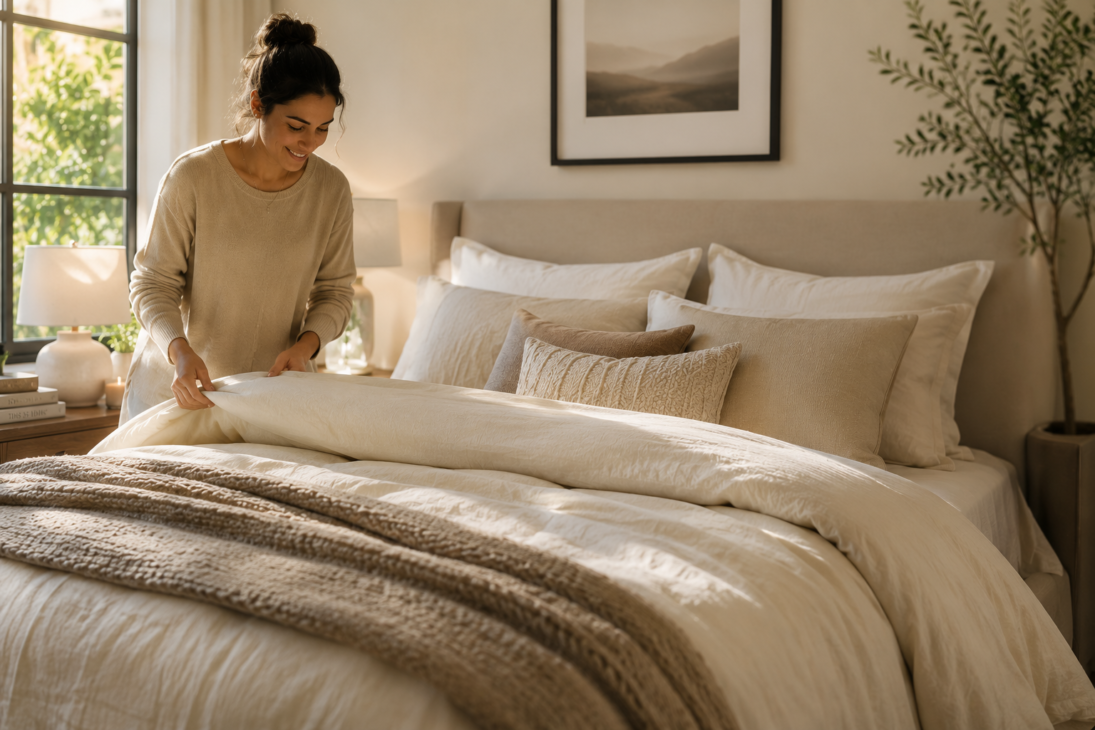
Textiles are the home’s most undervalued design element. The furniture gets the attention and the budget deliberation. The art gets the research. But the throws, the cushions, the sheets, the rugs — the soft elements that determine how a room feels to inhabit rather than just how it looks to observe — are often chosen quickly and replaced rarely.
This matters because textiles are doing more work in a room than their visual profile suggests. The throw on the sofa that’s in the wrong color family makes everything in the room slightly off. The cushion covers that are the right color but the wrong texture make the sofa look assembled rather than composed. The sheets that are adequate for sleeping but feel wrong against the skin affect the quality of every night spent in them. Getting textiles right is the specific aesthetic investment that makes rooms feel genuinely finished.
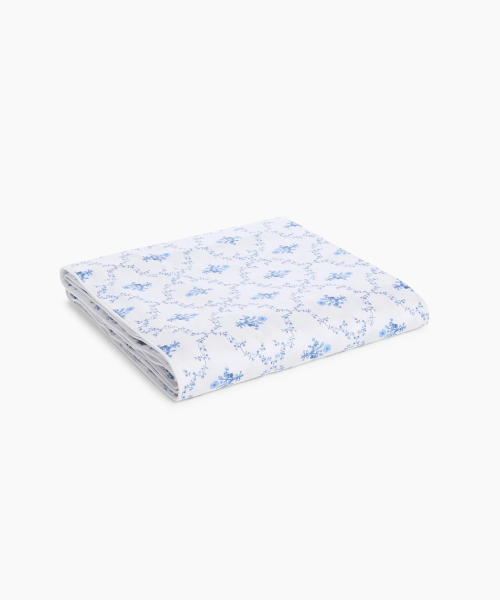
Hill House Home’s percale sheets are the cotton bedding that improves with use — the long-staple cotton in the percale weave becomes softer and more characterful over washing cycles rather than degrading toward the pilling and thinning that cheaper alternatives develop within a year. The percale weave specifically produces the breathable, slightly crisp quality that’s different from the heavier, silkier quality of sateen — the right choice for those who prefer their sheets to feel fresh rather than enveloping.
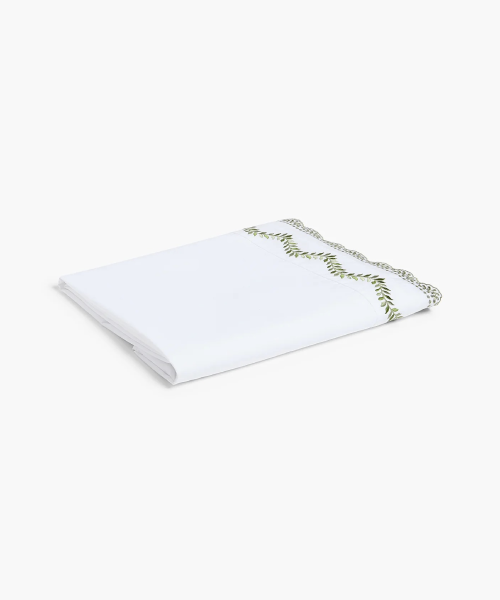
The sateen alternative to the percale for those who prefer the heavier, slightly silkier quality of a sateen weave. The same long-staple cotton in a weave that produces a smoother, more lustrous surface — appropriate for those who prefer the enveloping quality of sateen and who sleep in cooler environments where the additional warmth of a heavier weave is welcome.
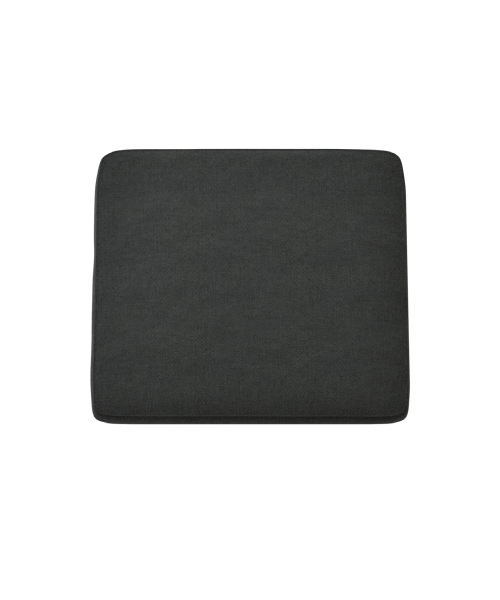
Bemz produces cushion covers in their natural fiber fabric range alongside their sofa covers — the Brera Linen and Pure Washed Linen options in cushion cover format that allow refreshing the soft furnishing palette of any room without replacing furniture. The fabric quality is consistent with their sofa covers, which means the cushion covers have the same considered weight and texture that makes the sofa covers worth their premium.
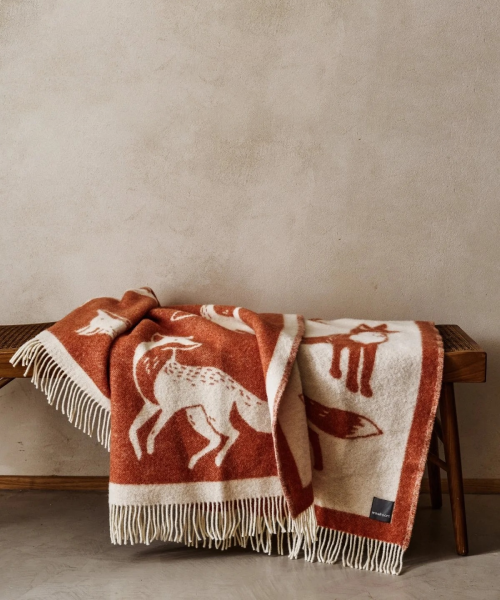
The Wool Room’s wool throws extend the temperature regulation principle from their bedding range to the living room — a wool throw on the sofa provides warmth without the trapped heat that synthetic fleece blankets produce, and the natural fiber has the specific quality of looking genuinely good rather than merely adequate when draped over a sofa or chair. The natural sheep wool colorways work with most interior palettes.
Textile quality in home furnishings is determined primarily by fiber content and construction method — the same two variables that determine clothing quality but in formats specific to home use.
For bedding: the fiber length of the cotton (long-staple produces softer, more durable fabric), the thread count (relevant up to approximately 400 threads per inch, above which it’s typically achieved through multi-ply threads that don’t improve quality), and the weave type (percale for crisp and breathable, sateen for smooth and lustrous).
For soft furnishings: the fiber content (natural fibers age better and feel more pleasant against skin than synthetic), the weave density (tighter weaves resist pilling and maintain their appearance through use), and the dye quality (solution-dyed or fiber-reactive dyes hold color through washing and UV exposure better than surface-applied dyes).
The specific things to check before buying any home textile: the fiber content label (the honest disclosure is in the label, not in the product title or description), the washing instructions (which tell you more about the actual fiber than the label does — genuine linen and cotton wash in cool water, synthetic blends often can’t), and the weight of the fabric in the hand (heavier fabric typically indicates higher fiber content and more substantial weave).
The textiles in a room work together as a palette, and the palette decisions that produce a room that reads as composed are different from the palette decisions that produce a room that reads as accumulated.
The consistent element principle: choose one consistent element across all textiles in a room and vary everything else within that consistency. The consistent element can be color family — all warm neutrals, all cool blues, all earthy tones — or material — all linen and cotton — or tone — all muted and washed rather than saturated. Within that consistency, vary the specific color, texture, pattern, and scale of each piece.
What doesn’t produce visual coherence: a collection of individually attractive pieces that share no connecting element. The cushion that’s beautiful in isolation and wrong in the room because it doesn’t connect to anything else in it. The throw that’s a different color family from everything on the sofa. The rug that’s the right quality but the wrong palette for the room.
Natural fiber textiles require specific care to maintain their quality, and providing that care is what makes the investment worthwhile over time.
Wool: hand wash or delicate machine cycle in cool water, flat dry, never tumble dry. Wool that’s been felted or shrunk from wrong washing can’t be restored. Wool that’s been correctly washed maintains its texture and quality for years.
Linen: cool machine wash, line dry or low tumble, iron while slightly damp if you want the crispness or embrace the relaxed quality of unwashed linen if you don’t. Linen softens and improves with washing — the more it’s washed correctly, the better it gets.
Cotton percale: cool or warm machine wash (not hot, which degrades fiber over time), line dry or low tumble, remove promptly to prevent clamped texture.
Home textiles worth buying are those chosen with understanding of what makes quality in the specific category — fiber content, construction, dye quality — and with a clear idea of how they connect to the room’s existing palette. Hill House Home’s sheets are the bedding investment that rewards daily use with improving quality. Bemz’s natural fiber cushion covers refresh soft furnishing palettes at the most accessible price point. The Wool Room’s throw brings natural fiber quality to the living room in a format that looks as right as it functions. And Bemz and Hill House Home together constitute the textile foundation of a room that’s been thought about rather than accumulated. The soft layer is where rooms are truly finished — and it’s worth the attention the furniture already gets.