
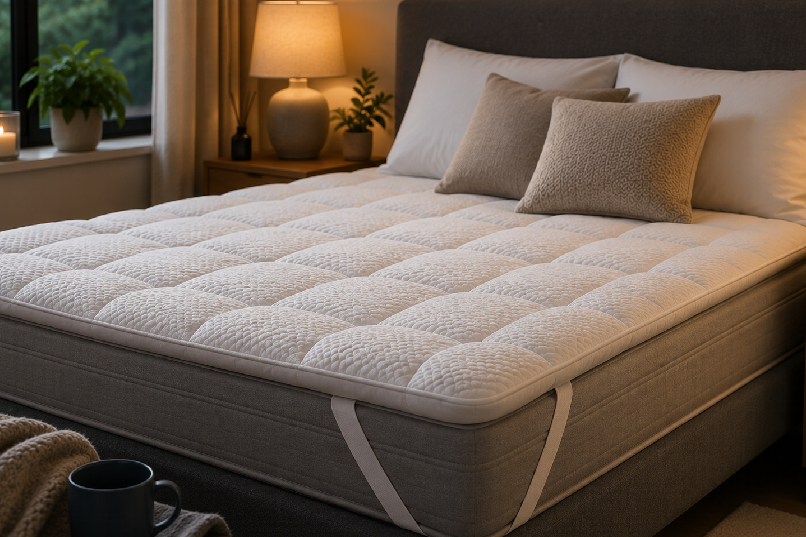
The mattress topper occupies a specific and sometimes misunderstood position in sleep improvement. It’s not a mattress replacement — it doesn’t correct a fundamentally unsuitable mattress support structure, and treating it as one produces the specific disappointment of spending money on a topper to solve a mattress problem that the topper can’t address. But it’s also not merely a comfort layer — a well-chosen topper addresses specific sleep quality variables that the mattress alone may not provide.
The situations where a mattress topper is the right answer: the mattress that’s structurally sound and appropriately supportive but whose surface material retains heat (a memory foam mattress surface that sleeps warm, for example), the mattress that’s firm in the right way for support but could benefit from additional comfort at the sleep surface, and the rented home where a mattress replacement isn’t possible and a topper is the available intervention.
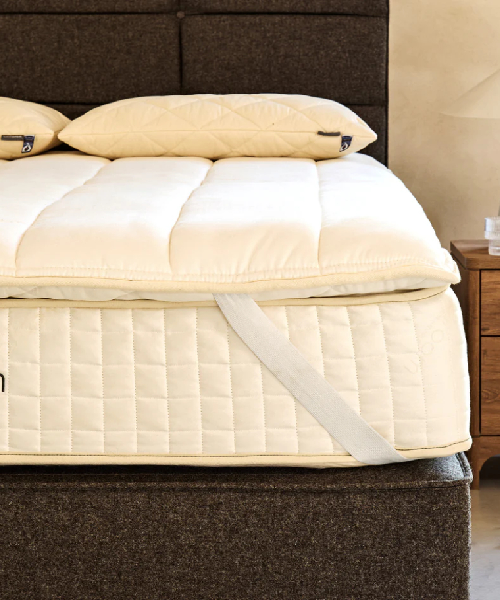
The Wool Room’s wool topper adds the temperature regulation properties of their wool fill to the mattress surface — the same moisture management and responsive warming and cooling that makes their duvets effective applied directly at the sleep surface. For those whose mattress surface retains heat, the wool topper placed between the mattress and the bottom sheet changes the temperature environment at the sleep surface without requiring mattress replacement. The organic certification adds the same GOTS-verified credential as their organic duvet range.
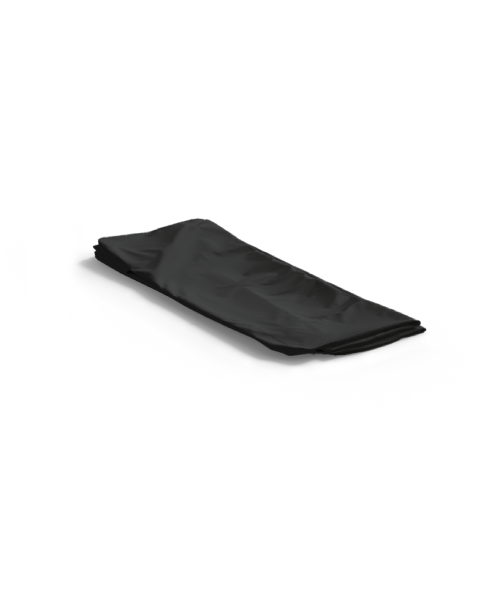
The Eight Sleep Pod Cover, while not a traditional mattress topper, functions as the most sophisticated version of the concept — a layer placed over the mattress that addresses the sleep surface temperature with active management rather than passive material properties. For those whose mattress is appropriate in support but whose temperature management is the limiting variable, the Pod Cover is the escalation beyond what a wool topper provides.
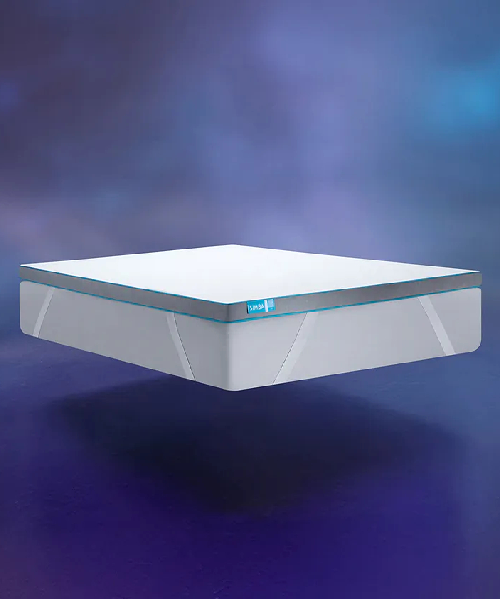
Simba produces a mattress topper that extends the Simbatex temperature management layer to existing mattresses that don’t have it — the ability to add Simbatex’s open-cell temperature management to a mattress that lacks it. The topper format is specifically useful for those who want the Simbatex benefit without replacing their existing mattress, or for renters who can’t replace their mattress.
The situations where a mattress topper is not the right answer are worth being clear about, because purchasing a topper in these situations produces the specific disappointment of an expensive purchase that doesn’t solve the problem:
A mattress that’s sagging or has lost its spring support cannot be corrected by a topper. The sag in the mattress surface will still be felt through any topper layer, and the incorrect support that produces back pain on waking is not addressed by additional surface material above it.
A mattress that’s too soft and allows the spine to drop toward the mattress cannot be firmed by a topper. Firm toppers on soft mattresses don’t produce a firm sleep surface — the soft mattress below the firm topper still allows sagging, and the combined firmness is not the same as a properly firm mattress.
A mattress that’s creating partner disturbance through poor motion isolation cannot be helped by a topper. Motion isolation is a function of the mattress construction — particularly whether pocket springs or foam is used — and a topper layer doesn’t change this.
The mattress topper that produces genuine sleep quality improvement is the one placed on a mattress that’s correct in support but specific in one of two ways: the surface material retains heat (the wool or Simbatex topper addresses this) or the surface is appropriately firm for support but could benefit from additional comfort material (the wool topper’s cushioning without changing the support below it addresses this).
Both of these are real situations that mattress toppers address well. Neither is a substitute for the mattress replacement that a genuinely unsuitable mattress requires.
Mattress toppers worth buying are those purchased with accurate understanding of what they can and can’t address. The Wool Room’s organic wool topper addresses sleep surface temperature management for those whose mattress retains heat without changing the mattress’s support properties. Eight Sleep’s Pod Cover is the active temperature management escalation for those for whom passive wool is insufficient. Simba’s Simbatex topper adds their specific temperature management technology to existing mattresses. And Duckworth’s fine-staple wool topper provides the most comfortable natural material at the sleep surface for American buyers. None of these correct a fundamentally unsuitable mattress support structure — that requires the mattress replacement that any honest topper recommendation must acknowledge.