
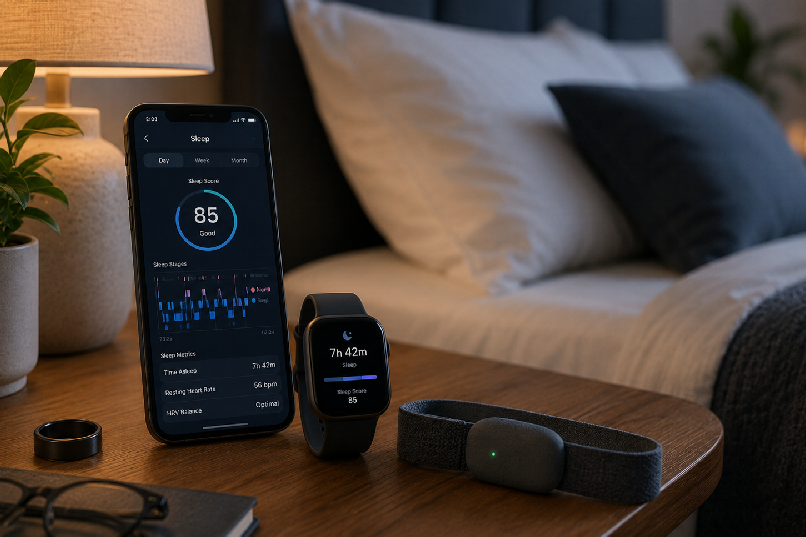
Sleep tracking devices fall into the same trap that fitness trackers fell into in their early years: they produce data that’s interesting to look at without necessarily being actionable. The difference between tracking for its own sake and tracking for improvement is whether the data is connected to behavioral changes that produce better sleep outcomes. Most sleep tracking devices provide the former. A smaller number are designed to produce the latter.
The devices worth buying are those where the data is specific enough to identify what’s limiting sleep quality, connected to enough context to suggest what to change, and accurate enough that the identified patterns are real rather than measurement artifacts. These criteria eliminate a significant proportion of sleep tracking devices at all price points.
The Hume Health under-mattress monitor is the non-wearable sleep tracking device that provides the most comprehensive data in the category. The sensor placed under the mattress detects movement, respiratory rate, heart rate, and sleep stages through ballistocardiography — the detection of body motion produced by the heartbeat, which allows sleep stage inference without body contact. The non-wearable format avoids the specific measurement interference that wristband trackers introduce (the band against skin affects sleep for some people, and wrist-based heart rate measurement is less accurate than chest or trunk measurement during sleep).
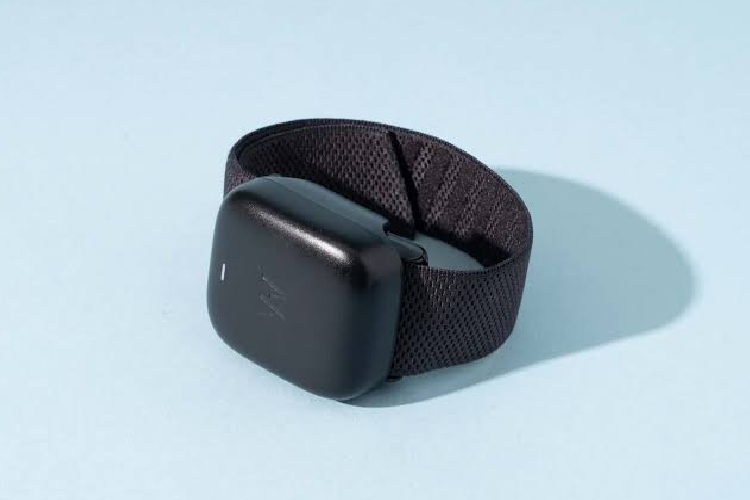
The Eight Sleep Pod’s sleep tracking is integrated into the mattress cover rather than being a separate device, which means the tracking hardware is already present once the Pod is purchased. The tracking accuracy benefits from the distributed sensor network in the Pod cover rather than a single point of measurement. The specific advantage of the Pod’s integrated tracking over separate tracking devices: the data is used to actively adjust the sleep environment (temperature) rather than only to report on it.
The Simba Orbit is a radar-based sleep tracker that sits on the bedside table and uses low-power radar to detect movement and breathing patterns without any contact with the sleeper. The radar technology is more accurate for sleep movement detection than wristband accelerometers and doesn’t require the sleeper to be near any specific point on the mattress as under-mattress sensors do. The simplicity of the setup — placed on the bedside table, connected to the Simba app — is the specific advantage for those who want sleep tracking without installation.
The Solo Performance monitoring tier of Hume Health is specifically for those approaching sleep as a performance variable rather than a health baseline. The additional metrics — recovery readiness, performance prediction, and the specific HRV analysis connected to next-day cognitive and physical performance — serve the performance-oriented user who wants to optimize sleep quality as part of broader performance management.
Sleep tracking accuracy is the variable that most determines whether a device’s data is useful or misleading. The honest assessment of accuracy by technology type:
Polysomnography (PSG) — the clinical gold standard conducted in sleep labs with full electrode monitoring — is the reference against which consumer sleep trackers are compared. PSG measures EEG (brain activity), EMG (muscle activity), and EOG (eye movement) directly. No consumer device does this.
Consumer sleep trackers use proxies — heart rate variability, movement, respiratory rate — to infer sleep stages. The accuracy of these inferences varies by technology and device. Radar-based tracking (Simba Orbit) and under-mattress ballistocardiography (Hume Health) are more accurate than wristband accelerometry for sleep stage inference because they measure proxies closer to the physiological source.
The practical implication: use consumer sleep tracker data for trend identification and pattern recognition rather than as absolute measurements. The conclusion that “I spent 15% of last night in deep sleep” is less useful than the conclusion that “my deep sleep percentage is consistently 5-8% lower on nights when I’ve had alcohol after 9pm.” The former requires accuracy to be meaningful; the latter requires only consistency, which is more achievable for consumer devices.
The most useful thing to do with sleep tracking data is to actively test hypotheses about what’s affecting sleep quality. The structured experiment approach:
Identify one variable to test: alcohol timing, exercise timing, screen use before bed, room temperature, sleep timing consistency.
Track for two weeks without changing the variable to establish a baseline.
Make the single change for two weeks.
Compare the tracked sleep quality metrics between the two periods.
The variable that produces measurable improvement in the tracked metrics is a genuine sleep quality factor for the individual sleeper. The variable that produces no measurable difference isn’t — regardless of what general sleep advice says about it.
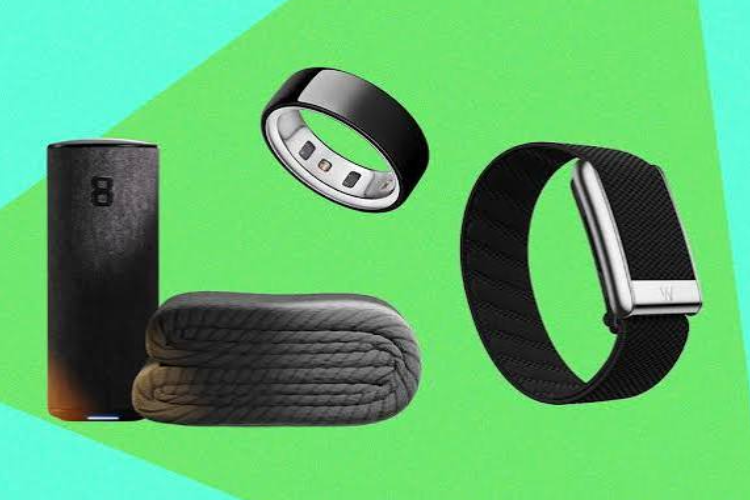
Sleep tracking devices worth buying are those that provide accurate enough data to be genuinely useful and that connect that data to improvement pathways rather than just to interesting graphs. Hume Health’s under-mattress monitor provides the most comprehensive non-wearable tracking in the standalone device category. Eight Sleep’s integrated tracking is the best tracking for Pod owners because it actively uses the data to improve the sleep environment. Simba’s Orbit provides the simplest non-contact setup for those who want tracking without installation. And Hume’s Solo Performance tier is the tracking level for those whose sleep optimization is part of a broader performance management framework. Track for improvement rather than for tracking — the data is only valuable when it identifies what to change.