
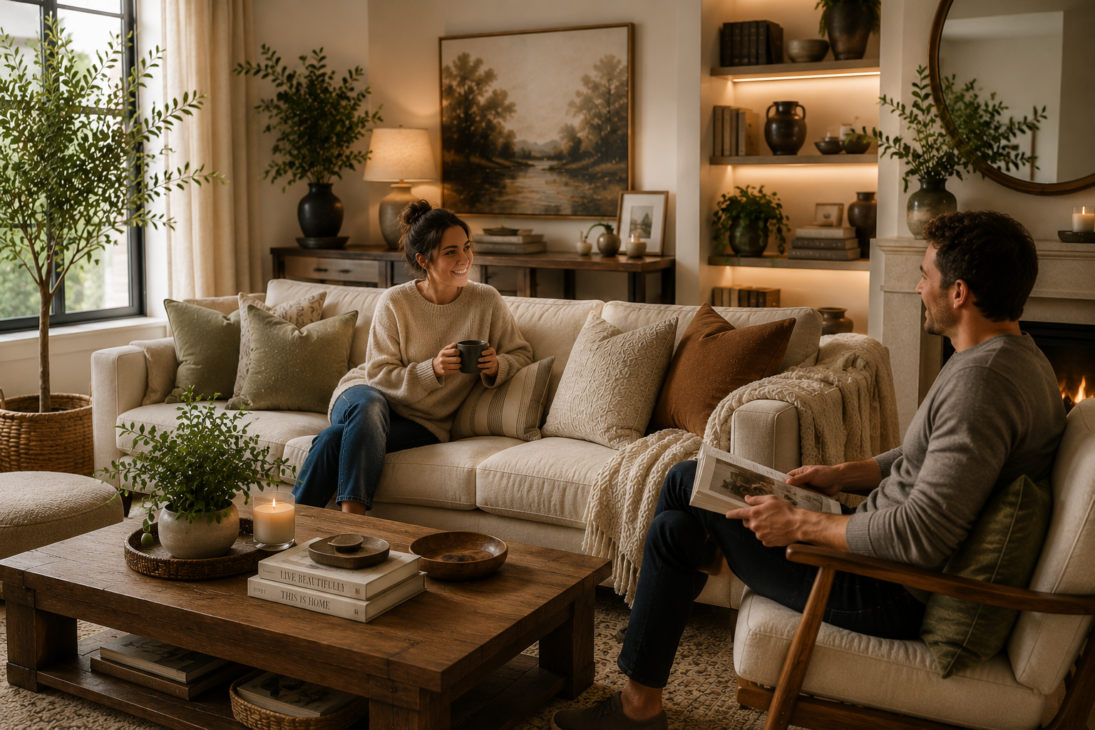
The living room is the room that receives the most design attention in most homes and the room where the gap between aspiration and result is most visible. It’s the room for which furniture is deliberated over for months, where rugs are measured and returned and remeasured, where the sofa takes the largest single furniture investment. And yet most living rooms, despite this attention, have a specific quality problem: they look assembled rather than designed, functional rather than genuinely inviting.
The difference between a living room that’s been assembled and one that feels designed is rarely a question of investment — it’s a question of which specific decisions were made and which were defaulted. The overhead light left on rather than replaced with lamps. The sofa in the right fabric but the wrong cover because the better option existed but wasn’t known about. The walls that were never given art because the right art never quite materialized.
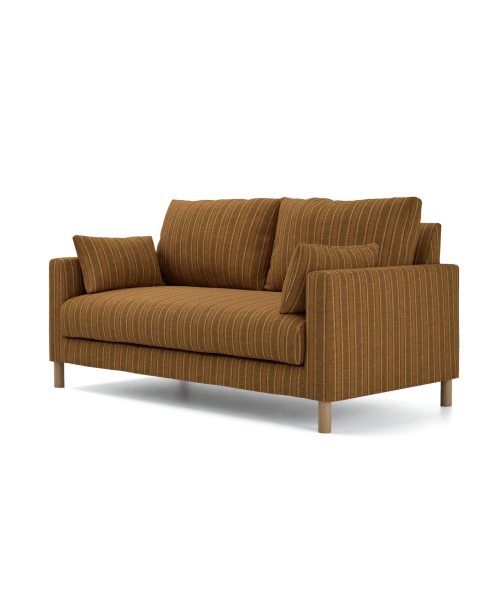
The sofa is the visual center of any living room and the piece that most determines the room’s aesthetic register. A Bemz linen cover transforms the most common living room sofa problem — the IKEA frame that’s structurally correct but visually inadequate — into the sofa that reads as a deliberate quality choice rather than a functional compromise. The Brera Linen’s specific warmth and texture quality does this more convincingly than any other fabric in the Bemz range.
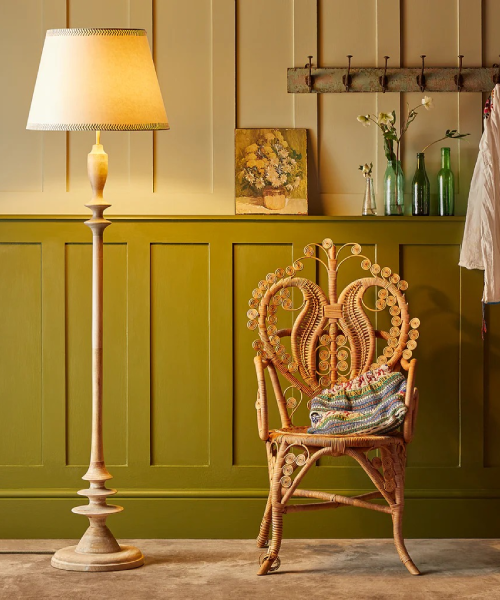
The floor lamp is the living room lighting investment with the highest impact because it addresses the specific living room light problem — overhead illumination that flattens everything the room contains — with the most direct solution. A floor lamp in the right corner changes the room’s evening character from institutional to domestic in a way that no other single addition achieves as efficiently.
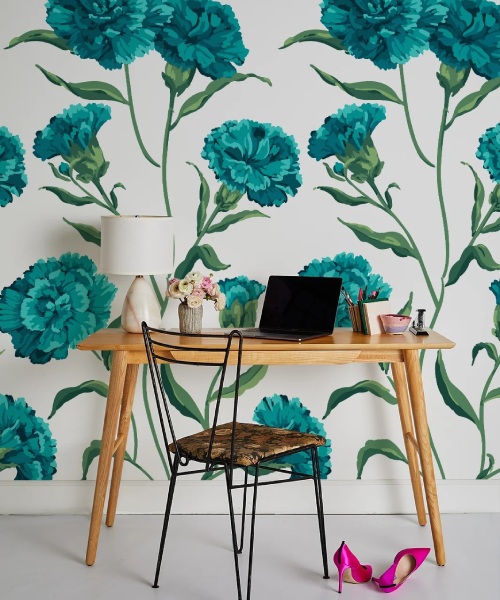
The living room wall is where a gallery arrangement produces the most visible result because the room’s social visibility means it’s seen and noticed most frequently. Wallshoppe’s pre-curated gallery wall sets provide the aesthetic compatibility guarantee that makes a gallery arrangement look intentional — the specific problem that most self-assembled gallery walls encounter is pieces that individually work but collectively don’t cohere.

The Our Place Always Pan in the kitchen that’s visible from the living room is the specific detail that contributes to the overall impression of the home as a designed space rather than a functional one. Displayed cookware in a considered color rather than hidden in a cabinet signals that someone has thought about the visual quality of the cooking environment — and that signal reads from the living room in open-plan homes and through kitchen doorways in more traditional layouts.
The living room presents specific design challenges that other rooms don’t have in the same combination.
Multiple functions: the room that needs to work for daily relaxation, for social occasions, for children’s activities, for occasional work, and for watching television or other screen content. Each of these functions has different requirements and the room that serves all of them well rather than just one requires specific thought about how different uses are accommodated.
The television problem: the television is the living room element that most consistently disrupts the visual quality of the room because it’s a large, dark, rectangular object on a wall when it’s off, and a source of light and visual content that dominates the room when it’s on. Mounting it on the right wall (not the focal wall if possible), routing cables out of sight, and choosing a television that looks as good off as possible are the decisions that reduce the television’s disruption of the room’s visual quality.
The sofa placement: most living rooms place the sofa against a wall by default, which is not always the right position and often isn’t. The sofa floating in the room, perpendicular to a wall, often creates a better conversation space and a more deliberately designed room than the sofa pressed to the wall. The specific configuration that works depends on the room’s proportions and windows, but questioning the wall-sofa assumption is worth doing.
The rug is the living room element that most changes how furniture relates to each other and to the room. A rug that’s too small — the most common rug mistake — floats between the furniture rather than connecting it, which makes the room look like it has a random rug on the floor rather than a designed floor layer. The rug size that works correctly: large enough that all the furniture in the seating area is either on the rug or has its front legs on the rug. This typically means a 270x365cm rug in a standard living room where many people buy 160x230cm and then wonder why it doesn’t work.
The living room worth spending time in is one where the specific decisions that make rooms feel designed rather than assembled have been made. The Bemz cover that transforms the sofa into something that reads as a quality choice. The Pooky floor lamp that changes how the room feels in the evenings. The Wallshoppe gallery arrangement that gives the walls a visual identity. These are the specific decisions that make the difference, and they don’t require a design professional or a significant renovation budget — just understanding which decisions matter most and making them deliberately.