
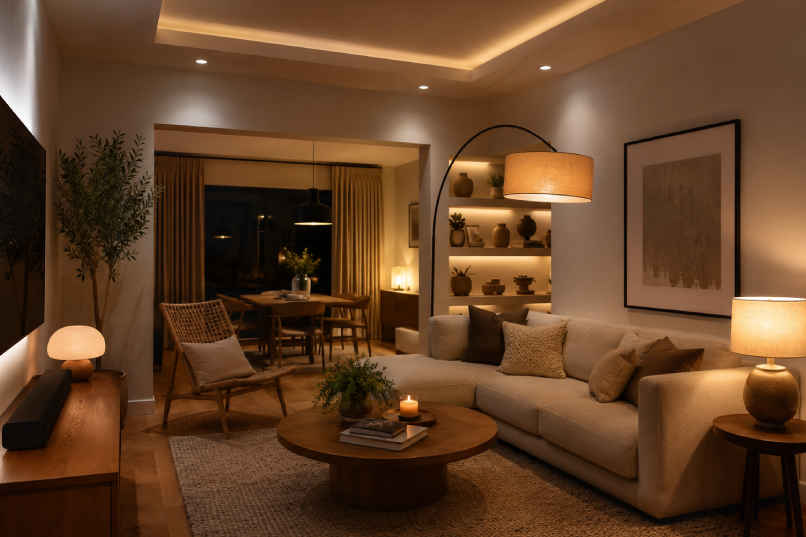
Lighting is the home improvement that produces the most dramatic change per pound or dollar spent, and consistently the one that gets the least attention until something goes wrong. Most people furnish a room carefully — the sofa, the rug, the artwork — and then illuminate it with a single overhead light that flattens everything they’ve worked to create. The same room, the same furniture, the same walls: with the right lighting it feels warm, considered, and genuinely beautiful. With the wrong lighting it feels like a waiting room.
The specific transformation that good lighting makes is difficult to describe before experiencing it and immediately obvious after. It’s not about brightness. It’s about the quality of light, the direction it comes from, and the layering of different sources at different intensities that makes a room feel inhabited rather than just illuminated.
I’ve been thinking about lighting differently for about three years now, since I started understanding the gap between what a room could feel like in the evening and what it actually felt like under a single ceiling fixture on full power. What follows is what I’ve learned — and the specific products that have made the most visible difference.
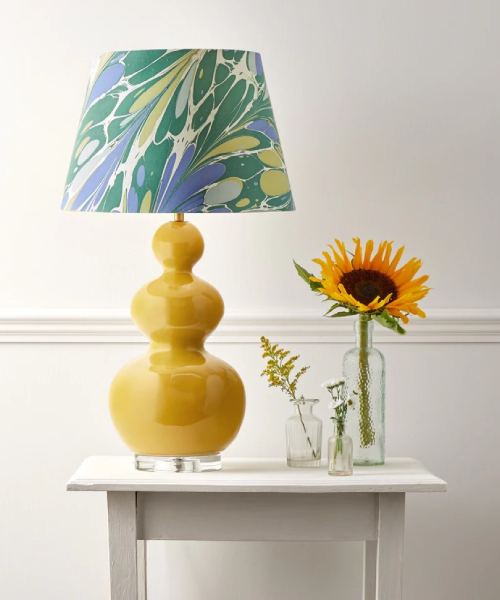
Pooky is the British lighting brand that consistently earns its place in serious home lighting conversations because the design quality and material choices are genuinely above what most comparable price-point brands produce. Their ceramic lamp bases come in a palette of considered, muted tones — the specific dusty greens, warm terracottas, and layered creams that sit in rooms without demanding attention and that read as an interior design decision rather than a functional purchase. The bases and shades are designed together as coordinated pieces, which produces a finished lamp that looks intentional in a way that mix-and-match alternatives rarely achieve.
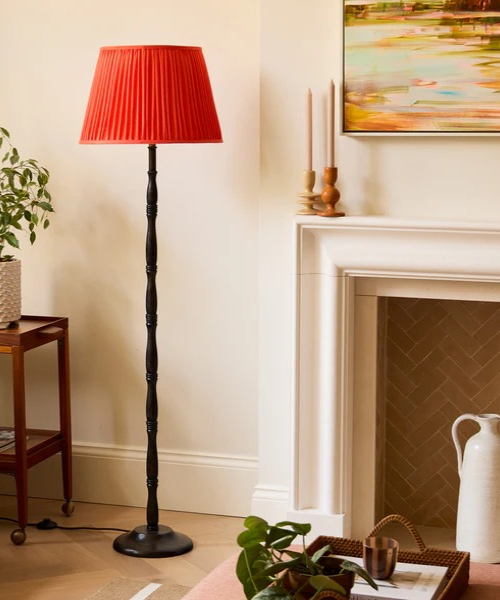
The floor lamp is the lighting addition with the highest impact-per-pound in most rooms, because it addresses the specific problem that overhead lighting creates — flat, directionless light that fills the room without creating atmosphere. A floor lamp in a corner creates a pool of warm light at human level, which is where the eye naturally rests in a domestic space. Pooky’s floor lamp range applies the same material quality and aesthetic consideration as their table lamp collection, with the specific addition of scale — the floor lamp needs to work at room height in a way that requires different design thinking from a tabletop piece.
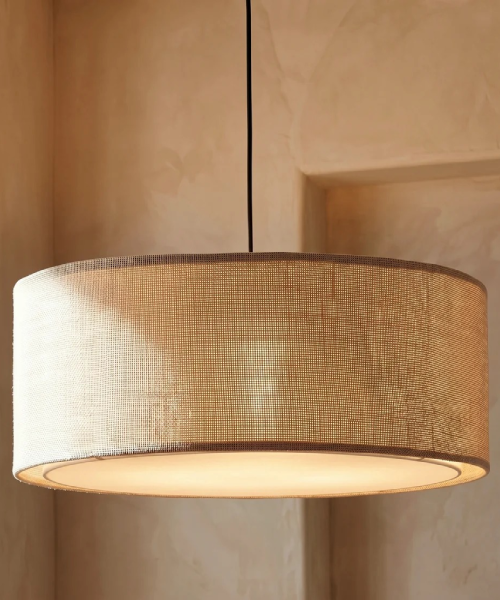
The pendant light is the ceiling alternative that makes sense in spaces where an overhead light is genuinely needed but where the standard flush ceiling fixture produces the institutional quality that undermines the rest of the room. Pooky’s pendants — ceramic, glass, and fabric versions across the range — hang at the right height to become a visual focal point while providing directional light rather than the flat omnidirectional illumination of a flush fitting. Over a dining table or in an entrance hall, the pendant is the lighting decision that most changes how a space reads architecturally.
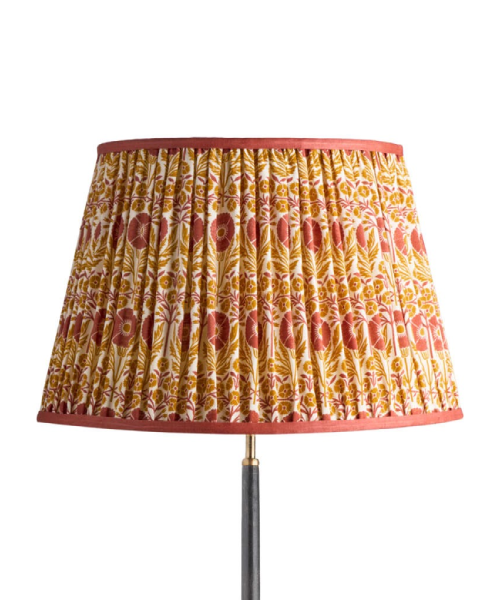
Pooky sells bases and shades as individual pieces as well as complete combinations, which allows the specific flexibility of mixing within the range or pairing Pooky shades with existing bases and vice versa. The shade quality is the detail worth understanding: the linen and cotton fabric shades diffuse light more warmly and more evenly than synthetic alternatives, and the difference between the quality of light through a proper fabric shade and through a plastic-laminated equivalent is immediately apparent when both are lit. The shade is doing as much work as the base in determining how the finished lamp feels in the room.
The standard home lighting setup in most houses is a single overhead light per room, controlled by a single switch, at a fixed brightness. This setup was designed around functional adequacy rather than atmospheric quality, and it produces a specific kind of room — useful in full daylight when the light isn’t needed, and noticeably flat and institutional in the evenings when it is.
The room that feels genuinely good in the evening has never been lit this way. The rooms that inspire the specific feeling of warmth and inhabitation that we recognize in well-designed spaces — in hotels, in restaurants, in the homes of people who’ve thought carefully about how their rooms work — use layered lighting from multiple sources at different heights and different intensities. The overhead light, if present at all, is on a dimmer and running at low intensity or off entirely. The lamps at table height and floor height are providing the primary illumination. The light levels vary across the room rather than being uniform.
This isn’t expensive to achieve. It doesn’t require rewiring or new installations in most cases. It requires adding lamps where they aren’t and — most importantly — dimming or turning off the overhead light in the evenings rather than treating it as the default.
Interior designers consistently use a framework of three lighting types, and understanding it changes how you evaluate what a room needs rather than just buying lamps without a specific purpose.
Ambient lighting is the general room illumination — the overhead or background light that provides overall visibility. Most rooms have this and only this, which is why most rooms feel flat. Used alone at full intensity it produces the institutional quality that makes domestic spaces feel less comfortable in the evenings.
Task lighting is specific illumination for specific activities — the reading lamp beside a chair, the desk lamp for work, the under-cabinet kitchen light for food preparation. Task lighting serves a function beyond atmosphere and is the layer most often added instinctively when something isn’t working.
Accent lighting creates visual interest and atmosphere — the floor lamp that illuminates a corner, the table lamp that creates a focal point, the shelf light that highlights books or objects. This is the layer that most distinguishes a well-lit room from a merely illuminated one, and it’s the layer that Pooky’s products primarily serve.
The combination of all three, used simultaneously at appropriate intensities, produces the room that looks designed and feels comfortable in the evening. Removing just the overhead light and replacing it with a combination of table and floor lamps produces the most immediate single improvement available in most living spaces.
The bulb inside any lamp determines as much of the light quality as the shade and base combined, and it’s the variable most commonly chosen without thought. The two most important bulb decisions:
Colour temperature. Measured in Kelvin, it determines whether the light reads as warm or cool. 2700K is warm white — the temperature of traditional incandescent bulbs, which reads as domestic and comfortable in evening settings. 4000K is cool white — appropriate for task lighting and workspaces but institutional-feeling in living rooms and bedrooms. Most homes use 4000K throughout because it’s the default, and switching to 2700K in living rooms and bedrooms is the single cheapest change that makes the most visible difference to evening atmosphere.
Dimmability. A lamp that holds a quality 2700K bulb on a dimmer has the full range of atmospheric control from very dim for evening wind-down through to reading-level brightness for task use. Non-dimmable bulbs at a fixed brightness are less versatile. Pooky’s recommended bulbs are consistently dimmable 2700K filament-style LEDs that maintain the warm quality across the full dimming range rather than shifting colour temperature when dimmed, which some LED bulbs do.
The placement of lamps matters as much as which lamps you choose. The principles that produce the most consistent improvement:
Put lamps in corners. Dark corners are where rooms visually contract — they make a space feel smaller and less complete. A lamp in a corner expands the perceived space and creates a warm focal point from an area that was previously doing nothing.
Put lamps at eye level when seated. The light source that’s at the same height as your eyes when you’re sitting reads differently from one that’s above you — it’s more intimate, more human-scale, and more flattering. Table lamps on surfaces at the right height and floor lamps at the right position to be at eye level when seated produce a noticeably different quality of room experience.
Layer heights. A room that has table lamps on different surface heights and a floor lamp creates a visual rhythm through the variation in light source position. The same lamp at the same height repeated doesn’t create this.
Create zones rather than uniform coverage. The corner with a floor lamp and an armchair reads as a specific place within the room — somewhere to sit and read. The reading nook created by a single lamp and a chair would not exist without the light defining it.
A dimmer switch on any ceiling light costs between £15 and £30 to buy and thirty minutes to install. It converts a fixed overhead light into a variable one that can be used at full brightness for the functional moments when you need to see everything clearly, and dialed back to almost nothing in the evenings when the lamps are providing the primary light and the ceiling fixture is just supplementing.
This single change — a dimmer on the ceiling — produces a more significant improvement to the evening atmosphere of most rooms than any lamp purchase. The room with a dimmer and the same lamps as before feels different from the room with an on-off ceiling light and better lamps. If there’s one lighting change to make before any lamp purchase, it’s the dimmer.
Lighting transforms rooms more cost-effectively than almost any other change, and Pooky produces the quality and design consideration that makes the transformation genuine rather than marginal. The layered approach — ambient dimmed, task lighting where needed, accent lamps creating zones and warmth — is what produces the rooms that feel genuinely designed in the evenings. Start with a dimmer switch on the ceiling light. Add a floor lamp in the corner that needs it most. Then the table lamp that creates the reading nook. The investment is modest and the result is felt every evening the room is used.